Artificial intelligence is not some distant science fiction idea; it is a present reality reshaping how we work think and make decisions. For the Catholic professional, this can be an invitation to discern how technology can serve the common good, elevate human dignity and strengthen our contributions in every vocation. As AI becomes more integrated into hiring processes, daily operations strategic planning and creative work its influence is profound. Yet what is most important is not the machines themselves, but how we collaborate with these tools with wisdom, virtue, and a commitment to human flourishing.
AI and the Transformation of Daily Work
AI is reshaping work in ways that are both practical and philosophical. Routine tasks that once absorbed hours of human effort can now be handled quickly by intelligent systems. Data analysis that would take teams of people can be accomplished in a fraction of the time. This allows professionals to focus on what is uniquely human: intuition, ethical judgment, relationship building, empathy and creative problem solving. In the Catholic tradition, work is not merely a way to earn income; it is a participation in God s creative activity. When AI handles repetitive tasks, it can free us to bring more of ourselves to the aspects of work that require presence and moral reasoning. Rather than fearing the loss of tasks, we can welcome the gift of time for deeper and more meaningful engagement.
Ethical Hiring in an Algorithmic Age
Hiring is another area where AI has caused seismic change. Many companies use AI to screen resumes or even conduct preliminary interviews. This can help organizations process large volumes of applicants with speed. But it also raises important questions about fairness, bias, transparency and respect for each individual as a person made in the image of God. Catholic professionals should advocate for the ethical implementation of AI in hiring. Algorithms must be audited for bias; and human oversight must be maintained at critical decision points. The goal should never be efficiency at the expense of justice, dignity and mercy. AI can help identify talent from diverse backgrounds if used thoughtfully and in conversation with human discernment.
Decision Making and the Primacy of Conscience
In decision making, AI provides tools that can model scenarios, forecast trends and suggest optimized solutions. For example, in finance, supply chain management or project planning, AI can surface insights that humans might overlook. Yet the final judgment belongs to human beings equipped with conscience and responsibility. Catholic moral tradition teaches that conscience is the interior voice of moral truth shaped by reason, prayer and communal wisdom. Tools like AI can inform our deliberation, but they cannot replace the call to virtue that guides ethical decisions. Professionals should use AI as an auxiliary to reflect deeply on outcomes possibilities and the impacts on coworkers, clients and society.
Redefining Productivity and Excellence
Productivity gains from AI can be significant. Automation of scheduling correspondence and research allows professionals to devote more of their energy to innovation, strategy, relationship cultivation and service. But true productivity is not measured solely by the number of tasks completed. It is measured by the quality of our work the goodness of our contributions and the ways we uplift others. In the Catholic view, productivity must always be ordered to the human person and the common good rather than mere output or profit.
Strategic Partnership with Intelligent Tools
Partnership with AI for strategic advantage requires a posture of curiosity, humility and critical thinking. We should educate ourselves about the capabilities, limitations and underlying assumptions of AI systems. This includes understanding the data that fuels these technologies, the ethical considerations in their deployment, and the potential for unintended consequences. Those who take time to learn how AI works can better steward its use in ways that align with the Church s social teaching.
Catholic professionals can also lead by example in cultivating workplaces that emphasize human dignity, collaboration and service. AI should be introduced in ways that enhance human work rather than replace it. Team training and support for workers whose roles are changing must be part of any AI adoption strategy. When professionals act with solidarity and subsidiarity they help ensure that technological progress respects each worker and strengthens community bonds.
Ultimately, AI is a tool it; is not a master. Technology reflects human choices and those choices must be guided by principles that honor the Creator and serve neighbor. By embracing AI with thoughtful discernment, professionals can harness its potential to be more effective ethical and compassionate in their fields. The future of work is not a competition between humans and machines; but a collaboration that calls forth our best gifts in service of others. In that spirit, Catholic professionals can lead with integrity competence and a clear sense of purpose.
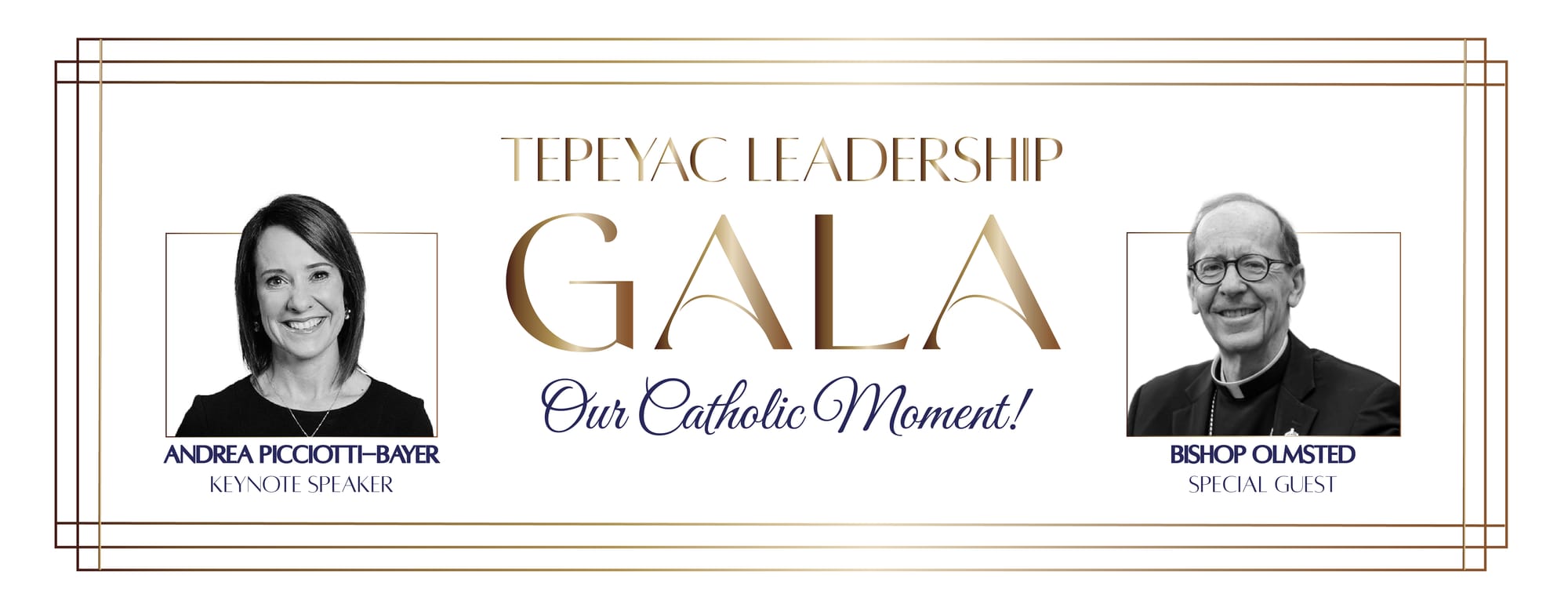
P.S. Last year, as guests arrived at the venue for the Tepeyac Leadership Gala, we asked them a simple but important question. Their answers were thoughtful, candid, and deeply hopeful for the future of our Church and our society. In the video below, you will see a compilation of their responses.