In a rapidly changing world of work, professionals are called not only to adapt but to flourish. As Catholic professionals, we are called to integrate our faith with a life of excellence in our work. Saint Joseph the worker shows us that sanctification through daily labor is possible and desirable. Professional development is not merely a career strategy. It is a way of stewarding the gifts God has given us so that we may serve others and glorify Him.
Lifelong Learning in Small and Intentional Steps
Professional development has evolved beyond occasional workshops. Today learning is lifelong and continuous. One of the strongest trends is micro learning, short, focused-lessons that fit into busy schedules. Platforms now offer bite sized modules on communication, emotional intelligence, project management, and leadership. For Catholic professionals, this trend allows growth without sacrificing commitments to family, parish, and community. Learning in small steps encourages consistency and reflection rather than burnout.
Personalized Growth and Vocational Discernment
Another major trend is personalized learning. Instead of generic programs, professionals increasingly use assessments to identify specific areas for growth. These plans are tailored to individual strengths and needs. They often include leadership style evaluations and emotional intelligence tools. For a Catholic professional, personalized learning invites vocational reflection. It encourages us to ask how our talents can best serve the common good, and where growth is needed to witness Christ more clearly in our work.
Learning in Community with Shared Values
Peer learning communities are gaining momentum across professions. These groups allow professionals to share best practices, discuss challenges, and support one another’s development. Catholic professionals benefit greatly from communities rooted in shared moral and spiritual values. Whether formed within workplaces, dioceses, or online networks, these communities offer a space where professional growth and faith formation reinforce one another through dialogue, prayer, and mutual accountability.
Technology as a Tool for Formation
Technology continues to reshape professional development. Artificial intelligence platforms now recommend learning paths and provide real time feedback. Simulations and virtual environments help professionals prepare for complex situations. For Catholic professionals, technology must remain a tool not a master. Used with prudence, it can deepen competence and efficiency while respecting human dignity and supporting ethical decision making.
Coaching and Mentoring for the Whole Person
Coaching and mentoring are increasingly central to professional growth. Coaching focuses on unlocking potential through reflection and intentional goal setting. Mentoring offers wisdom from those with greater experience. Catholic professionals should seek mentors who respect faith convictions and support moral integrity. When guidance includes prayer, reflection, and encouragement toward virtue, professional development becomes deeply formative.
Leadership Rooted in Service
Leadership development remains essential, especially for those entrusted with responsibility over others. A growing emphasis on servant leadership aligns closely with Catholic social teaching. Programs now focus on empathy, ethical judgment, communication, and resilience. Catholic professionals are called to lead, not by domination, but by service modeling Christ who came not to be served but to serve.
Well Being and Integral Human Development
Another important trend is the integration of well being into professional development. Organizations increasingly recognize that mental, physical, and spiritual health are essential for sustained excellence. For Catholic professionals, this holistic vision reflects the Church’s understanding of the human person. Prayer, rest, sacramental life, and healthy rhythms of work, support long term growth and creativity.
Cultural Competence and Respect for Human Dignity
As workplaces become more global, cultural competence is no longer optional. Training now emphasizes communication across cultures, and respect for difference. Catholic professionals approach this trend grounded in the belief that every person bears the image of God. Professional skill and Christian charity meet when we build workplaces where dignity and mutual respect flourish.
In conclusion, polishing your skills is not only about advancing your career. It is about becoming the person God calls you to be. Skills sharpen competence but virtue shapes character. When Catholic professionals pursue growth with humility, prayer, and discernment, their work becomes a form of witness. By uniting professional excellence with holiness, we transform ordinary labor into a participation in God’s redemptive work in the world.
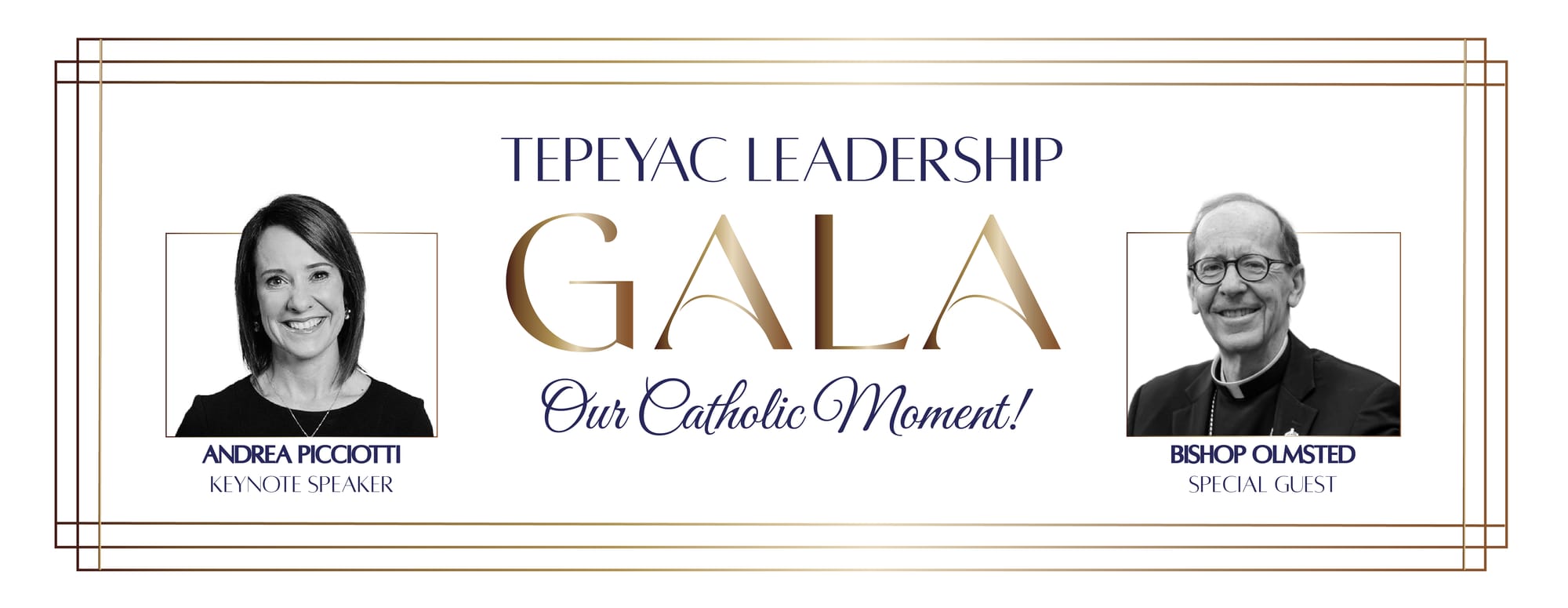
P.S. The date has been set for the 2nd Tepeyac Leadership Gala. Click below to register and mark your calendar to join us!