In every age, the Church has affirmed that how we use material goods is never morally neutral. Money, property, and resources are tools entrusted to us by God, meant to serve human dignity, strengthen families, and promote the common good. For Catholic professionals today, financial literacy and personal finance are not merely technical skills. They are part of our vocation to live as faithful stewards in the world.
Stewardship Rooted in a Biblical Vision
Scripture is clear that all we possess ultimately belongs to God. “The earth is the Lord’s and all it holds.” This truth reshapes how Catholics approach earning, spending, saving, and giving. Financial literacy helps us exercise this stewardship responsibly, ensuring that our economic decisions align with virtue rather than impulse, fear, or cultural pressure.
Personal Finance and Interior Freedom
At the personal level, sound financial habits protect freedom. Excessive debt, disordered consumption, and a lack of planning often lead not only to stress but also to compromised moral choices. When finances are chaotic, families suffer, marriages are strained, and generosity becomes difficult. By contrast, budgeting, prudent saving, and thoughtful investing create stability. They allow individuals to respond more readily to God’s call, whether that call involves supporting a growing family, assisting a relative in need, or discerning a new professional or apostolic path.
Financial Literacy as Moral Leadership
For Catholic professionals, financial literacy also shapes leadership. Those who manage teams, organizations, or businesses influence the financial lives of others through wages, benefits, and workplace culture. Leaders who understand money well are better equipped to act justly. They can advocate for fair compensation, sustainable growth, and ethical business practices that respect workers as persons rather than as costs. This reflects the Church’s consistent teaching that labor has priority over capital and that economic systems must serve the human person.
Solidarity Through Financial Formation
Helping employees develop financial competence is an act of solidarity. Offering access to financial education, encouraging responsible retirement planning, and fostering transparency around compensation are concrete ways to care for the whole person. Such efforts acknowledge that financial stress often undermines mental health, family life, and workplace performance. Addressing it is not simply a perk. It is an extension of moral leadership.
Generosity Made Intentional
Financial literacy also empowers generosity. The Church has always insisted that stewardship includes giving, not only from surplus but as a habitual orientation of the heart. When Catholics understand their finances, they can give intentionally and joyfully. Tithing, charitable donations, and support for parish and apostolic work become deliberate acts of worship rather than occasional reactions. Planned generosity allows giving to be sustained even in uncertain economic times.
Serving the Wider Community
At the community level, financial education can be transformative. Many families struggle not because of a lack of effort but because they were never taught how money works. Catholic professionals can serve the common good by mentoring young adults, supporting parish based financial workshops, or partnering with organizations that promote responsible economic participation. These efforts uphold the dignity of the poor by equipping them with knowledge rather than fostering dependence.
Ethical Discernment in Financial Decisions
The Catholic tradition also offers moral guidance where modern finance can become morally ambiguous. Investments should be evaluated not only by returns but by their impact on human life and society. Stewardship calls Catholics to avoid profiting from industries that undermine life, exploit workers, or harm families. Financial literacy helps believers discern these choices with clarity and confidence.
Ultimately, personal finance is not about accumulating wealth for its own sake. It is about ordering our material lives toward love of God and neighbor. For Catholic professionals, growing in financial wisdom is a way of sanctifying daily work and ordinary decisions. When money is governed by virtue, it becomes a means of service, stability, and generosity, and a quiet but powerful witness to the Gospel in the economic life of the world.
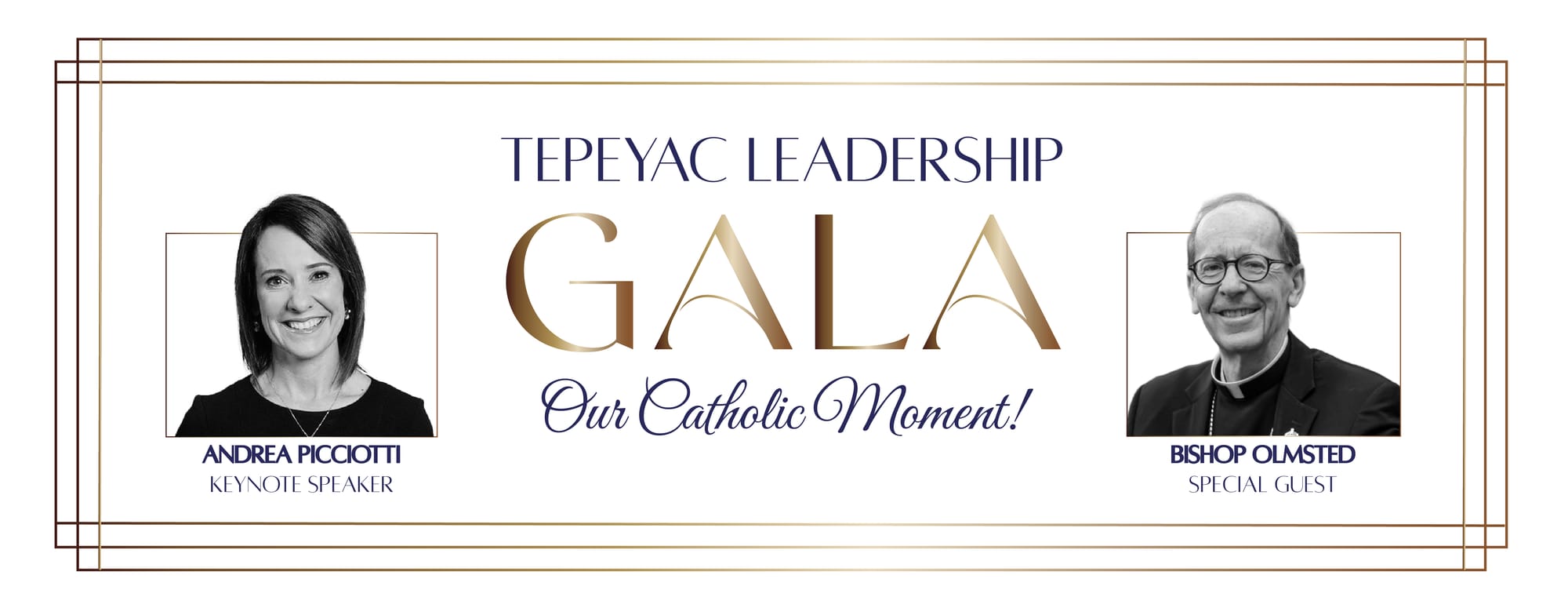
P.S. The date has been set for the 2nd Tepeyac Leadership Gala. Click below to register and mark your calendar to join us!