Table of Contents
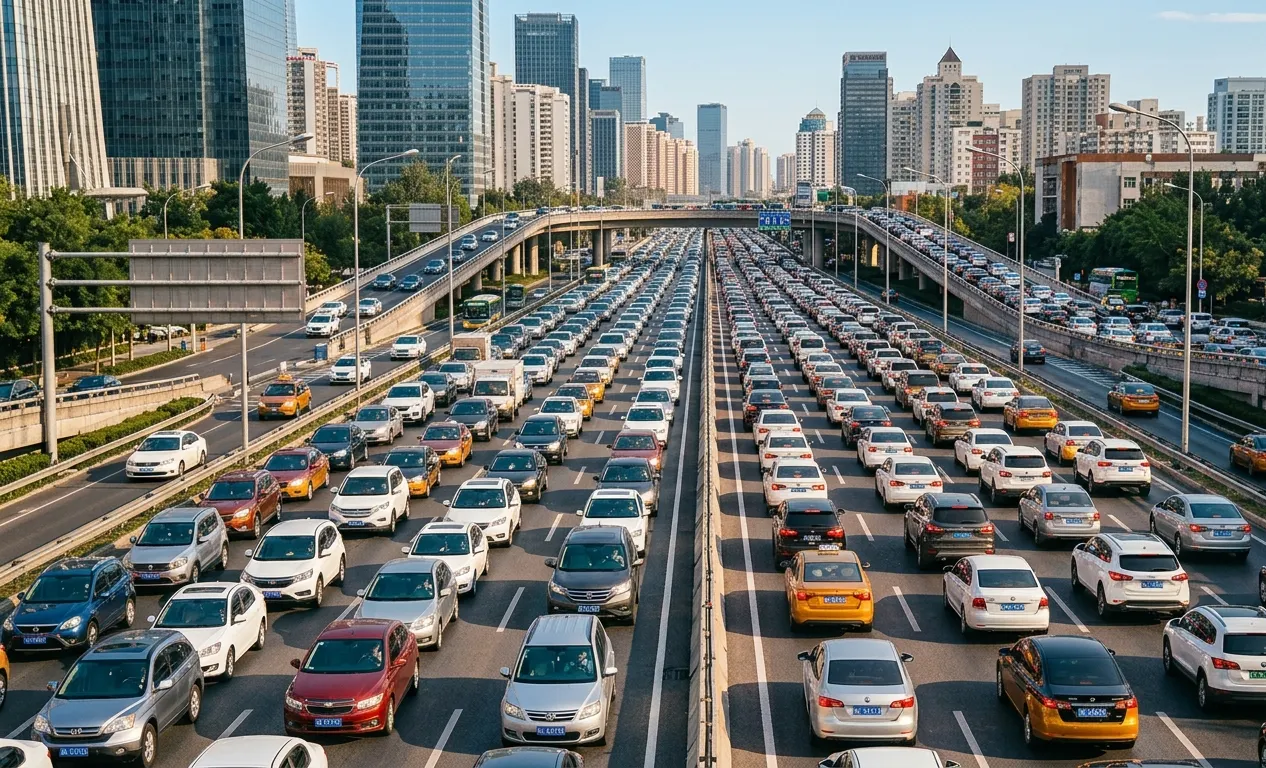
Perhaps you’ve been there. You are sitting on the highway, bumper to bumper, watch ticking away, watching the red brake lights stretch to the horizon.
I recently relocated from a relatively small town to one of the nation’s largest metropolitan areas. With that move came a whole new set of daily rhythms, vibrant opportunities, and, without fail, a lot of time spent in traffic.
At first, my reaction to the gridlock was less than saintly. My immediate tendency was to rail against other drivers, especially those who wait until the absolute last second, drive up to the very head of the lane, and nose their way in. You can probably hear the chorus echoing inside my car: “Hey! Wait your turn! What makes you so special? Is your time really more important than mine?”
It is easy to let that kind of frustration take root. In the fast-paced world of professional life, where efficiency, deadlines, and schedule management are paramount, waiting feels like a tax on our productivity. When someone cuts in line, it feels like a personal offense, a slight against our fairness and dignity.
Yet, as the weeks have turned into months, I’ve had plenty of time sitting in the driver’s seat to contemplate. And gradually, I’ve come to realize that this daily test of patience is teaching me something profound about life, faith, and leadership.
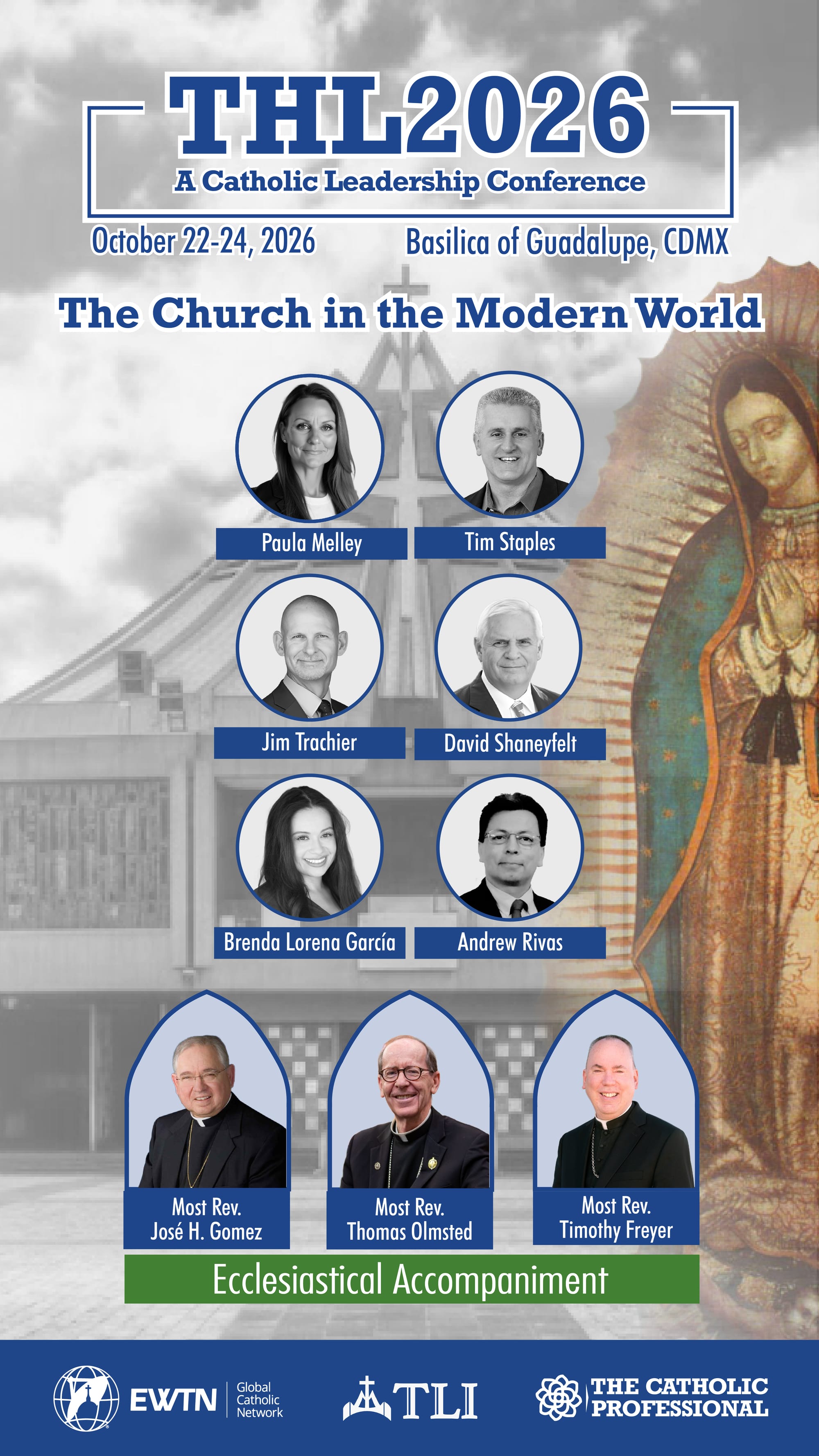
Ad: Discover the place where Our Lady of Guadalupe appeared to St. Juan Diego. See her image. And join Archbishop José Gómez, Bishop Thomas Olmsted and Bishop Timothy Freyer for The Hour of the Laity 2026 in Mexico City.
First, it has forced me to recognize the reality of trade-offs. The high-density traffic is a direct byproduct of a thriving, dynamic region filled with art, community, economic energy, and new opportunities. I cannot enjoy the rich gifts of a major metropolitan area while demanding the open roads of a small town. In business and in life, every choice comes with a cost. Accepting the slow lane is simply the price of admission for the good things this new environment brings.
Second, the highway has become an unexpected space to practice virtue. It is easy to act with charity and patience when everything is going according to plan. The real test of our character comes when our routine is interrupted, our control is stripped away, and we are forced to slow down.
When someone aggressive noses their way into my lane now, I try to catch myself before reacting in anger. I don't know why that driver is rushing. Perhaps they are late for a critical meeting, rushing to a sick child, or simply having a stressful, overwhelmed day. Granting them space, both on the road and in my heart, is a small exercise in mercy. It turns a moment of resentment into an opportunity for grace.
As Catholic professionals, we are called to bring Christ into every space we occupy, including the ordinary, mundane, and frustrating ones. My vehicle space doesn't have to be a sanctuary of stress; it can be a place of quiet reflection, prayer, or simply peaceful acceptance.
Patience is not merely the passive endurance of delay; it is the active discipline of maintaining peace of mind when things do not go our way. The next time you find yourself stuck at a standstill or watching someone cut ahead in line, take a deep breath. Remember that your time is a gift, but so is your peace. The traffic will eventually clear, but the patience you build while waiting will stay with you long after you arrive.
P.S. Join Archbishop José Gómez, Bishop Thomas Olmsted and Bishop Timothy Freyer for The Hour of the Laity 2026 in Mexico City. In the videos bellow you will see what they have to say about THL2026.
Ad: Tepeyac Leadership’s Leadership for the World is a $2 million, three year mission to form lay Catholic leaders for the public square. Without formation, others fill the void. Will you step in or step aside now, when it matters most?