There are conflicts in the world that seem never to be settled, wars that continue year after year, passing from one generation to the next without a clear resolution. If global leaders with vast resources cannot bring lasting peace to nation-states, why should we expect anything different in the corporate world?
In executive suites, boardrooms, and department channels, chronic battles play out continuously. Long after individual projects wrap up, the underlying feuds, structural friction, and territorial disputes remain. For Catholic professionals seeking harmony and order in their working lives, accepting this reality is not a counsel of despair, but the starting point for genuine wisdom.
What Causes Permanent Workplace War?
The persistent nature of corporate conflict stems from several deeply ingrained human and organizational factors that simple policy changes cannot fix.
First, institutional incentives are frequently in direct competition. A finance department charged with fiscal restraint will perpetually collide with a sales team driven by aggressive expansion, just as a product development team focused on long-term innovation will constantly strain against an operations team demanding immediate daily stability. These are not operational failures, they are structural tensions built into the design of the business.
Second, fallen human nature brings ego, insecurity, and wounded pride into every meeting room. Professional ambition can quickly morph into territorial self-preservation. When individuals tie their personal identity and self-worth to specific outcomes, a routine difference in strategy becomes an existential struggle for prestige and control.
Finally, organizational memory keeps old wounds alive. A poorly handled restructuring, a broken promise from years past, or a perceived slight between team leaders can establish a legacy of mistrust that outlasts the employees who originally created it.
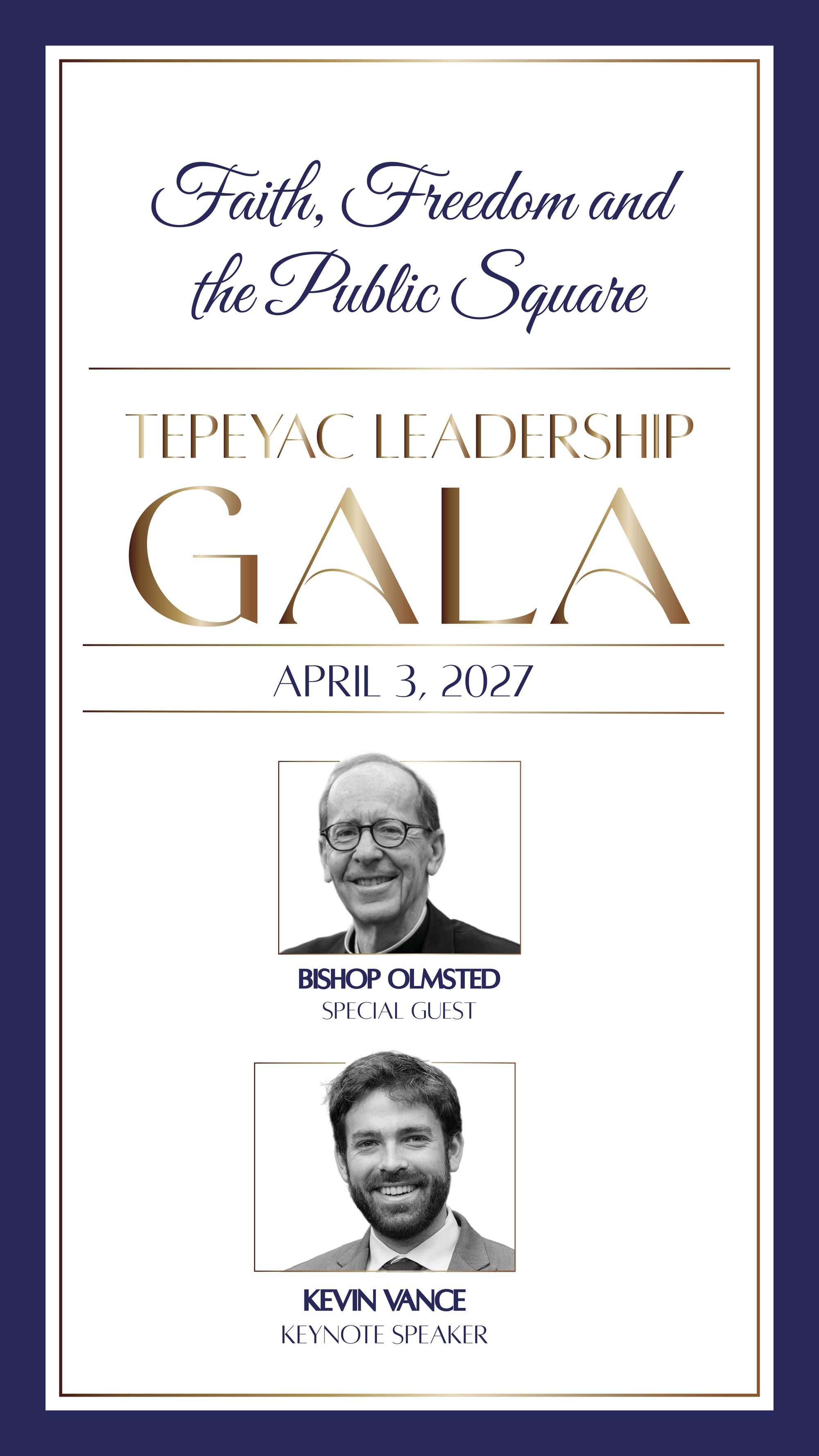
P.S. By joining us at the Tepeyac Leadership Gala, you directly invest in forming the next generation of lay Catholic leaders for civil society. This elegant evening is vital to funding our mission, and your presence ensures we can continue empowering faithful leaders to transform our culture. Reserve your seat today to support this transformative work.
How Do We Resolve—or Manage—the Conflict?
Resolving chronic conflict requires shifting our approach from demanding total victory to practicing faithful, prudent management.
1. Distinguish Between Problems to Solve and Tensions to Manage
Not every conflict can be brought to a neat conclusion. Problems have solutions, but structural tensions must simply be managed with balance and patience. Recognizing that a colleague's competing priorities are a natural reflection of their role, rather than a personal attack, removes much of the emotional volatility from daily interactions.
2. Practice Strict Personal Charity
St. Paul reminds us, "If possible, so far as it depends on you, live peaceably with all" (Romans 12:18). Notice the realistic boundary, as peace is not always achievable, but our own commitment to charity must remain absolute. This means refusing to engage in workplace gossip, resisting the urge to undermine rivals, and treating opponents with consistent dignity, regardless of how intense the debate becomes.
3. Focus on Objective Excellence Over Victory
When an overarching organizational feud cannot be resolved, the most effective strategy is quiet, reliable performance. Delivering clear results, maintaining integrity, and keeping your commitments creates a stabilizing force within a chaotic environment.
4. Cultivate Interior Detachment
Our ultimate peace as Christians cannot depend on perfect harmony in the office. Handing our tranquility over to corporate dynamics places our spiritual state at the mercy of factors outside our control. Remembering that our primary vocation is fidelity to Christ, rather than total control over our workplace, grants us the freedom to serve with grace under pressure.
By recognizing that some battles will outlast our tenure, we free ourselves to focus on what truly lies within our control: our character, our witness, and our unwavering commitment to the common good.
Ad: Tepeyac Leadership’s Leadership for the World is a $2 million, three year mission to form lay Catholic leaders for the public square. Without formation, others fill the void. Will you step in or step aside now, when it matters most?