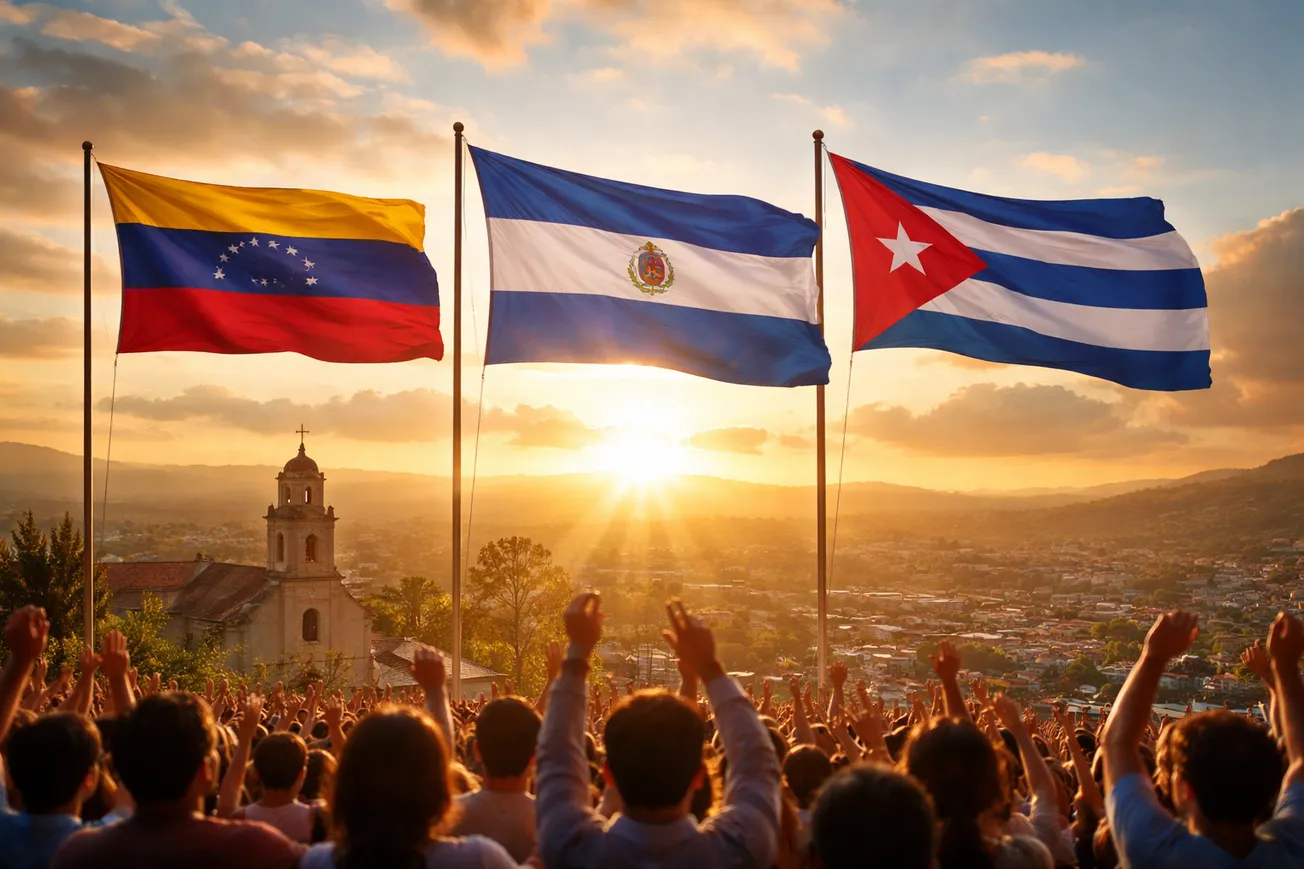
In recent days, a powerful image of hope has begun to emerge from Latin America’s long suffering nations of Venezuela, Nicaragua and Cuba. For decades, these countries have endured political turmoil, social fragmentation and grave challenges to human freedom and dignity. Yet even amid profound struggle, winds of renewal are stirring, offering reasons for Catholic professionals committed to virtuous leadership in civil society to remain hopeful and engaged.
A Crumbling Illusion of Absolute Power
A striking sign of this emerging hope has come from recent developments in Venezuela. The arrest of Nicolás Maduro earlier this year was interpreted by observers such as Arturo McFields, former Nicaraguan ambassador to the Organization of American States, as a moment that shattered the illusion of permanence surrounding authoritarian regimes. His reflection that dictatorships are not invincible has resonated well beyond Venezuela, awakening hope across the region. For many, this moment has reminded citizens that fear need not have the final word and that injustice can be confronted, even after long seasons of suffering.
Hope Rooted in the Human Desire for Freedom
From a Catholic perspective, this renewed hope is not merely political. It reflects the deeper human longing for truth, freedom and the common good. The Church teaches that every person is created in the image of God and therefore possesses an innate dignity that no regime can erase. When people begin to believe again that change is possible, it signals a moral awakening that can reshape civil society from within. This kind of hope strengthens consciences and restores the courage necessary for peaceful participation in public life.
Venezuela and the Courage of a Weary People
In Venezuela, hope has emerged after years marked by economic collapse, mass migration and repression. While enormous challenges remain, especially in rebuilding institutions and restoring trust, the reappearance of hope itself is significant. It indicates that the Venezuelan people have not surrendered their desire for a just society. For Catholic leaders, this is a reminder that perseverance in truth and service can bear fruit even when results seem distant.
Nicaragua and the Limits of Tyranny
The situation in Nicaragua offers another important lesson. McFields has emphasized that history repeatedly shows the eventual collapse of regimes built on fear and injustice. From a Christian standpoint, all earthly authority is temporary and accountable before God. When leaders abandon the common good, they undermine the very foundations of their power. Hope in Nicaragua is sustained by this moral truth and by the quiet resilience of citizens who continue to witness to justice, faith and human dignity under difficult conditions.
Cuba and the Quiet Stirring of Expectation
Cuba remains burdened by deep economic hardship and restrictions on religious and civil freedoms. Yet even there, the shifting dynamics in neighboring countries have sparked reflection and expectation. The Cuban people are watching closely, aware that history is not static. Hope in Cuba may be quieter and more cautious, but it is real. It lives in the enduring faith of families, in the Church’s pastoral presence and in the conviction that authentic freedom cannot be permanently suppressed.
Faith as the Foundation of Enduring Hope
A central theme in these reflections is the role of faith. McFields has spoken openly about the sustaining power of faith in God during times of persecution and exile. For Catholics, hope is not optimism rooted in circumstances, but a theological virtue grounded in God’s promises. As Saint Paul teaches, hope does not disappoint because it is anchored in divine love. This hope enables individuals and communities to endure hardship without losing their moral compass.
For Catholic professionals committed to virtuous leadership, these developments invite renewed responsibility. Hope calls us to act with prudence, courage and charity in our professions and communities. Building ethical institutions, defending the dignity of the vulnerable and fostering a culture of truth are concrete ways we participate in the renewal of civil society.
Our ultimate confidence rests not in political change alone, but in Jesus Christ, who has conquered sin and death. As we pray for Venezuela, Nicaragua and Cuba, may we also commit ourselves to being faithful witnesses of hope, convinced that even the gentlest breeze of renewal can, by God’s grace, become a force that transforms nations.
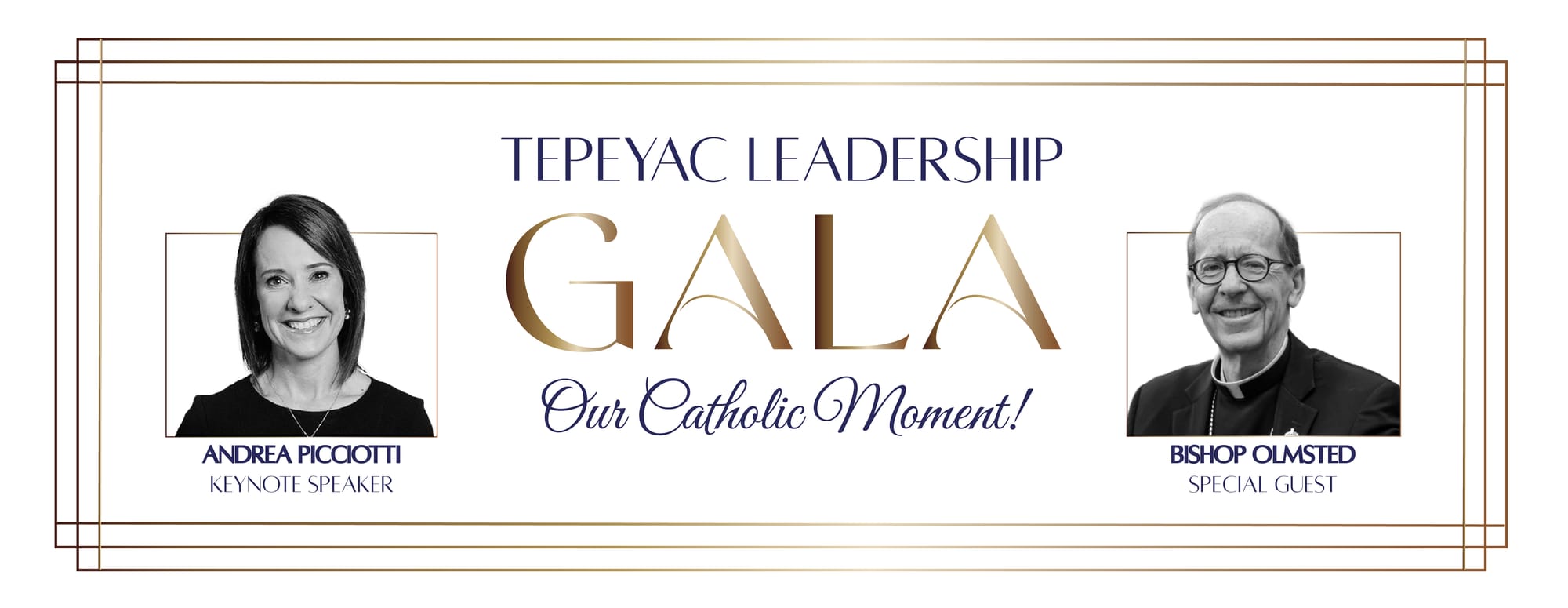
P.S. The countdown is on for the 2nd Tepeyac Leadership Gala, secure your tickets today by clicking below!