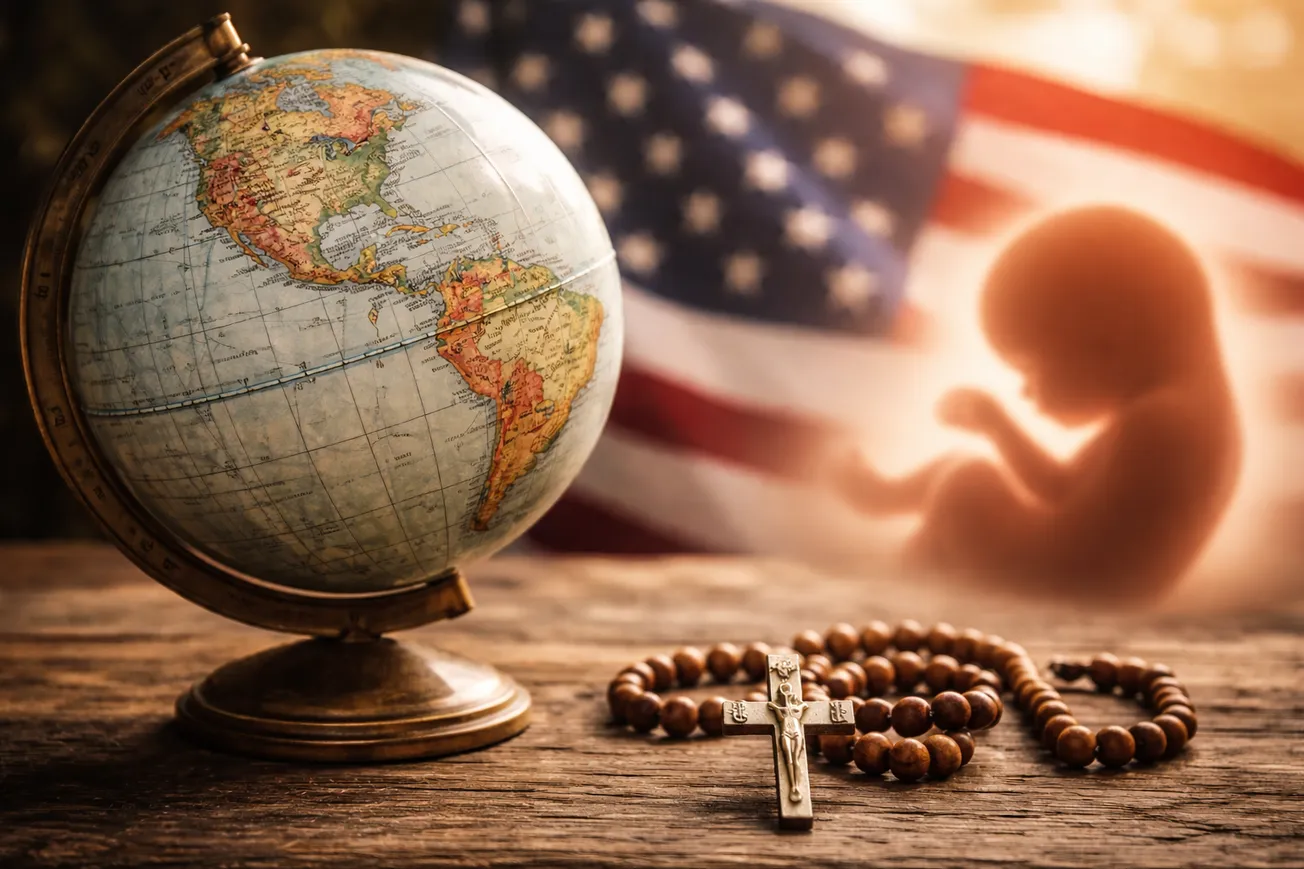
The recent expansion of the Mexico City Policy marks a significant moment in the ongoing effort to defend human life in United States foreign policy. The United States Conference of Catholic Bishops welcomed this development, praising it as a step toward ensuring that American taxpayer dollars support authentic humanitarian aid rather than the promotion or provision of abortion abroad. For Catholic professionals, this policy change offers both encouragement and a renewed call to engagement.
What Is the Mexico City Policy
First introduced in 1984, the Mexico City Policy conditions United States foreign aid on a commitment by recipient organizations not to perform or actively promote abortion as a method of family planning. When the policy is in force, organizations must certify compliance not only in their use of American funds but across all their activities. Over the decades, the policy has been alternately rescinded and reinstated as presidential administrations have changed, making it one of the most contested elements of American foreign assistance.
What Has Changed With the Expansion
The current expansion significantly broadens the scope of the policy. It now applies to nearly all non military United States foreign aid, affecting tens of billions of dollars distributed through nongovernmental organizations, international institutions, and foreign partners. In addition to abortion related activities, the policy addresses other ideological conditions tied to aid distribution. The bishops emphasized that this expansion helps ensure that American assistance promotes human flourishing without undermining the dignity of the human person.
Why the Bishops Applauded the Policy
The Catholic Church teaches clearly that human life must be protected from the moment of conception. Abortion is a grave moral evil because it directly takes innocent human life. From this perspective, it is unjust for public funds to support organizations that perform or promote abortion, especially among vulnerable populations in developing nations. The bishops affirmed that taxpayer dollars should never be used to advance practices that contradict the fundamental right to life.
At the same time, the bishops called for careful and ethical implementation of the policy, urging that aid continue to reach those who rely on life saving assistance. Their response reflects a consistent ethic of life that defends the unborn while also caring deeply for the poor, the sick, and the marginalized.
Addressing Common Criticisms
Critics argue that restrictions tied to foreign aid can disrupt access to health services such as maternal care, disease prevention, and child nutrition. These concerns deserve serious attention. Catholic social teaching insists that care for human life is holistic. Protecting unborn children must go hand in hand with supporting mothers, families, and communities.
This is precisely where Catholic engagement is essential. Rather than accepting false choices between protecting life and providing care, Catholics are called to advocate for solutions that do both. Faithful involvement can help ensure that aid policies uphold moral truth while continuing to meet genuine humanitarian needs.
Why Catholic Engagement Matters
Public policy shapes culture. When Catholics disengage from civic life, laws and policies are often shaped without reference to moral truth or human dignity. The expansion of the Mexico City Policy reminds us that the defense of life is not only a domestic concern but a global one. Decisions made in Washington can have profound effects on families and communities around the world.
Catholic professionals have a unique role to play. Through informed advocacy, responsible leadership, and clear moral witness, they can help shape policies that reflect the Gospel of Life. This includes engaging respectfully in public debate, supporting organizations that offer ethical aid, and holding leaders accountable to principles that protect the most vulnerable.
A Call to Faithful Action
The expanded Mexico City Policy is not merely a political development. It is a reminder of the Church’s mission to proclaim the dignity of every human person in every corner of the world. Catholics are called not to withdraw from the public square but to enter it with charity, clarity, and courage.
Protecting life beyond borders requires prayer, formation, and action. When Catholics remain engaged, policies can become instruments of justice and compassion. In doing so, we help build a culture that honors life, serves the poor, and reflects the love of Christ for every human person.
P.S. The countdown is on for the 2nd Tepeyac Leadership Gala, secure your tickets today by clicking below!