Every new venture, promotion, or high-level transition brings a familiar adrenaline surge. Whether stepping into a fresh role or pitching a bold operational overhaul, the initial impulse is often one of immediate, aggressive action. We want to leave a mark. We want to prove our competence, fix the glaring inefficiencies we spot on day one, and demonstrate that we are worth every cent of our compensation package.
Yet, seasoned leaders eventually learn a humbling truth, which is that overzealous disruption without situational awareness is not leadership, but ego in motion.
In professional environments, there are sound, practical reasons for sitting back and taking things slowly. Barging into a new organization or launching a crusade without first mapping the terrain usually yields institutional whiplash, fractured team trust, and operational chaos.
Curiously, this corporate wisdom finds a profound reflection in the spiritual life. Scripture and the rich tradition of Catholic prudence remind us that zeal, while a vital fuel for the soul, must always be tempered by discernment, humility, and deep listening.
The Danger of the Uninitiated Crusade
When we enter a new space, our vision is naturally limited. We see the broken process, the outdated software, or the cultural blind spot, and we assume it exists simply because no one smart enough has come along to fix it. We charge up the hill, waving the banner of efficiency, only to discover too late that a specific workflow existed for a reason rooted in historical precedent, regulatory constraint, or team psychology.
When change is forced too quickly and without buy-in from key stakeholders or the management group, the organization reacts defensively. Resistance stiffens, resentment builds, and the initiative stalls. In worst-case scenarios, the chaos generated by rapid, uncalibrated change does more damage than the original inefficiency ever did.
In the spiritual realm, Saint Teresa of Ávila famously cautioned against the pitfalls of unguided fervor. True zeal requires the ballast of prudence. Rushing ahead of grace, relying purely on our own energy and intellect rather than patient listening, often leads to burnout, division, and spiritual pride.
Ad: Advance your career and deepen your faith with the Tepeyac Leadership Initiative, an 18-week leadership development program designed to elevate your professional trajectory while strengthening your relationship with Christ. Gain the vision, skills, and network needed to lead effectively in today’s world. Visit to learn more and submit your application for admission by November 10.

The Monastic Discipline of Listening
Consider the traditional Benedictine model of leadership. When a new abbot or leader takes charge, the rule of Saint Benedict emphasizes listening, not just to God in prayer, but to the entire community, including the youngest and least experienced members.
In the corporate world, this translates to the discipline of the listening tour. Before proposing a single structural pivot, an effective executive spends weeks observing, asking questions, and understanding the unwritten cultural norms. They seek to understand why things are done a certain way before attempting to reshape how they are done.
This is not passive complacency, but strategic humility. Gaining the trust of the management team and building genuine consensus requires respecting the history of the institution. People do not care what you know until they know you respect where they have been.
Marrying Zeal with Prudence
How do we balance our interior drive to make an impact with the necessary patience of prudent leadership?
First, we must reframe patience not as passivity, but as an active, disciplined engagement with reality. Taking time to learn the landscape allows us to identify the true root causes of organizational friction rather than treating surface-level symptoms.
Second, we cultivate stakeholder buy-in. Lasting transformation is never a solo act, but a collaborative symphony. When we take the time to bring peers and superiors into the dialogue, inviting their critique and valuing their institutional memory, change ceases to be a top-down imposition and becomes a shared mission.
Finally, we anchor our professional ambition in prayer. When our drive to succeed is driven by personal vanity or the need to prove our worth, we become anxious, rushed, and overzealous. When our work is surrendered to a higher purpose, we find the peace to slow down, listen, and execute change with both competence and charity.
Let us embrace the quiet room this week. Let us listen before we speak, learn before we lead, and trust that sustainable growth is built not on frantic speed, but on patient, prayerful fidelity.
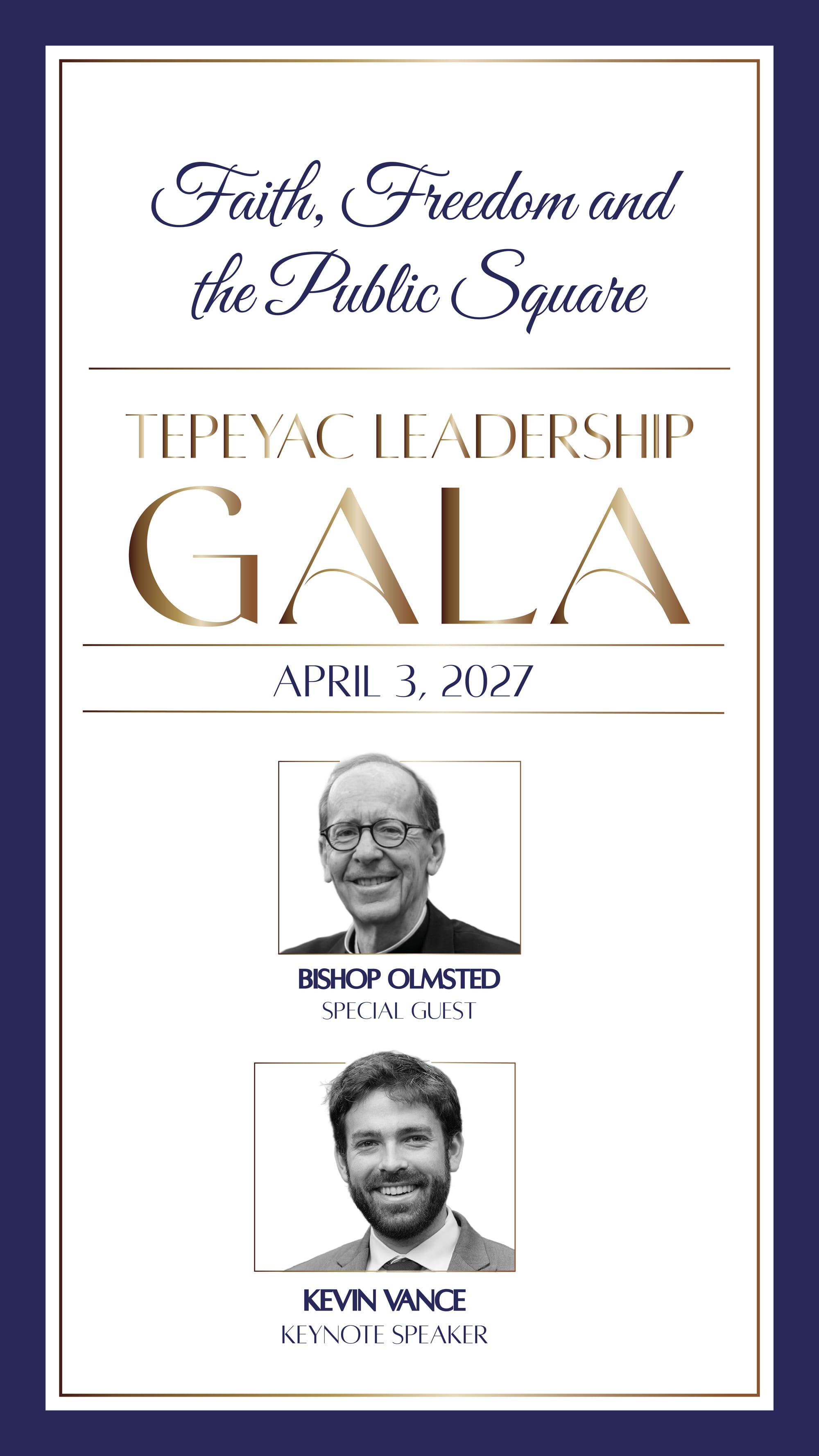
P.S. By joining us at the Tepeyac Leadership Gala, you directly invest in forming the next generation of lay Catholic leaders for civil society. This elegant evening is vital to funding our mission, and your presence ensures we can continue empowering faithful leaders to transform our culture. Reserve your seat today to support this transformative work.
Ad: Tepeyac Leadership’s Leadership for the World is a $2 million, three year mission to form lay Catholic leaders for the public square. Without formation, others fill the void. Will you step in or step aside now, when it matters most?