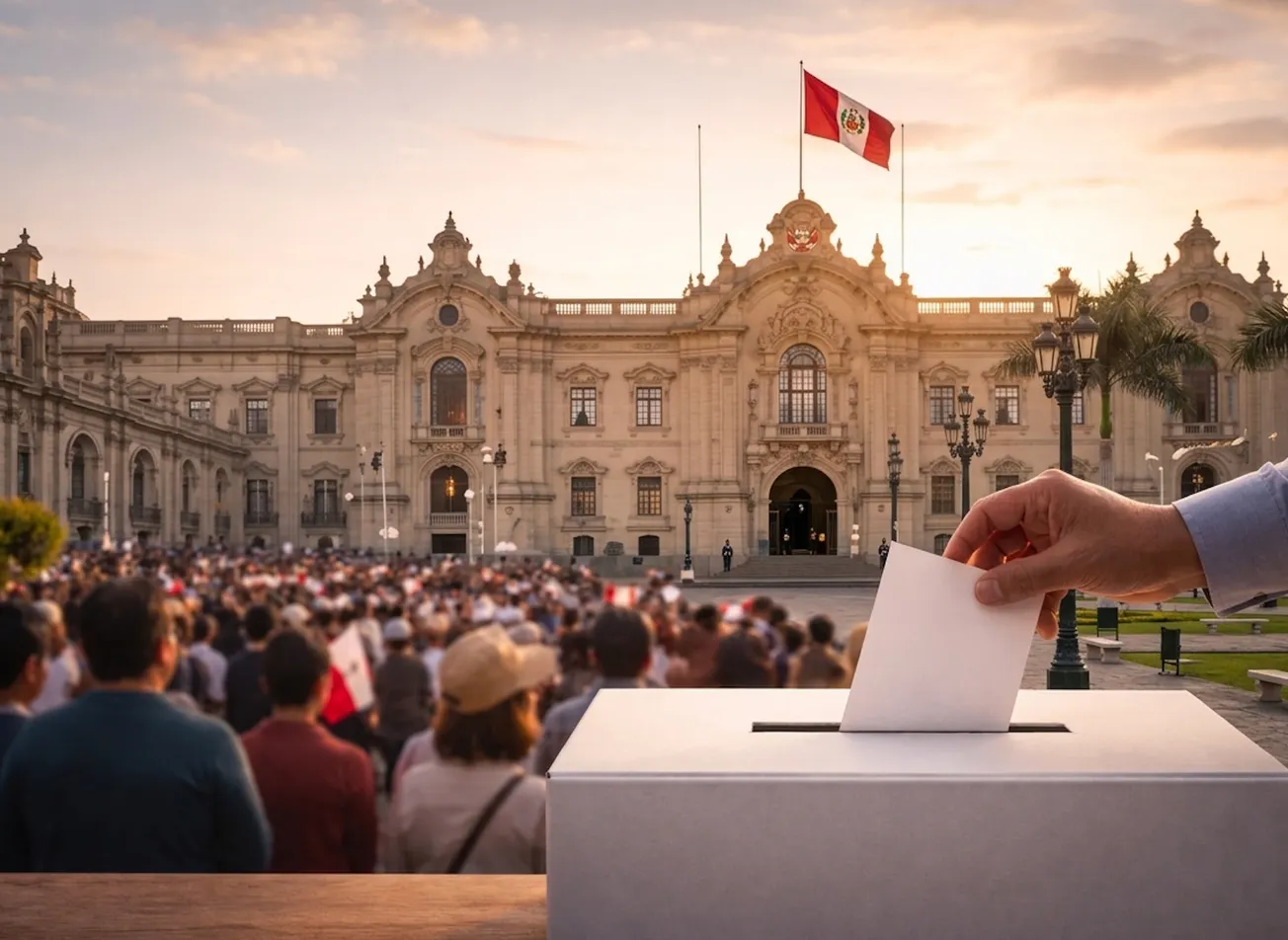
In the months leading up to a decisive national election, public life often reveals deeper questions about the moral foundations of society. In Brazil, a new initiative is attempting to bring those questions into sharper focus, inviting candidates not only to campaign, but to commit.
A recently announced “letter of commitment,” launched by the Instituto Isabel, proposes a clear and public pledge for candidates running in the October elections. More than a political gesture, it is an effort to reintroduce coherence between personal conviction and public responsibility.
A Commitment Rooted in Fundamental Principles
The document is concise, only two pages, yet its scope is significant. Candidates who sign it pledge to defend life from conception to natural death, uphold the family as the foundational unit of society, and protect essential freedoms, including religious liberty and freedom of expression.
These are not abstract ideals. They reflect enduring moral truths that have shaped societies across centuries. The inclusion of parental rights and conscientious objection further underscores a vision of the human person that is both relational and free, resisting the reduction of individuals to mere subjects of the state.
According to the organization’s leadership, the intention is not merely symbolic. Candidates who sign the letter are expected to make their commitment public and once elected, to act consistently with those principles.
Transparency and Accountability in Public Life
One of the most compelling aspects of this initiative is its emphasis on accountability. The Instituto Isabel plans to publish a list of all signatories, making it accessible to voters.
This transforms the letter from a private affirmation into a public standard. Voters are given a concrete tool to evaluate candidates, not only by their rhetoric during campaigns, but by their willingness to bind themselves to a defined set of values.
In an age when political promises are often vague or quickly forgotten, such a mechanism invites a more serious engagement between citizens and their representatives. It restores a measure of trust by aligning words with verifiable commitments.
The Broader Electoral Context
The initiative comes at a critical moment. Brazil’s upcoming elections will determine not only the presidency, but also governors, senators, and legislators at multiple levels of government. The breadth of these elections means that the principles articulated in the letter could influence policy across the entire political landscape.
By introducing the letter ahead of the electoral cycle, its organizers are seeking to shape the conversation before it is dominated by partisan disputes. Instead of reacting to political developments, they are proactively proposing a framework rooted in the dignity of the human person and the common good.
A Model of Civic Engagement
Founded in 2023, the Instituto Isabel describes its mission as defending life, family, and fundamental freedoms within public policy. Its approach reflects a growing awareness that cultural and political renewal requires not only ideas, but structures that sustain them.
By inviting candidates to make a public pledge, the organization is fostering a form of civic engagement that is both principled and practical. It does not replace the responsibility of voters to discern wisely, but it enriches that process by providing clearer criteria for judgment.
Faithful Witness in the Public Square
For Catholic professionals, this development offers a meaningful point of reflection. The call to participate in public life is not limited to voting or advocacy. It includes the responsibility to help shape the moral framework within which political decisions are made.
Initiatives like this letter of commitment remind us that the defense of life, the protection of the family, and the safeguarding of freedom are not merely private concerns. They are essential components of a just society.
As the electoral season unfolds, the deeper question remains. Will public life be guided by shifting interests, or by enduring truths about the human person? The answer will depend, in no small part, on the willingness of both leaders and citizens to align their actions with the principles they profess.
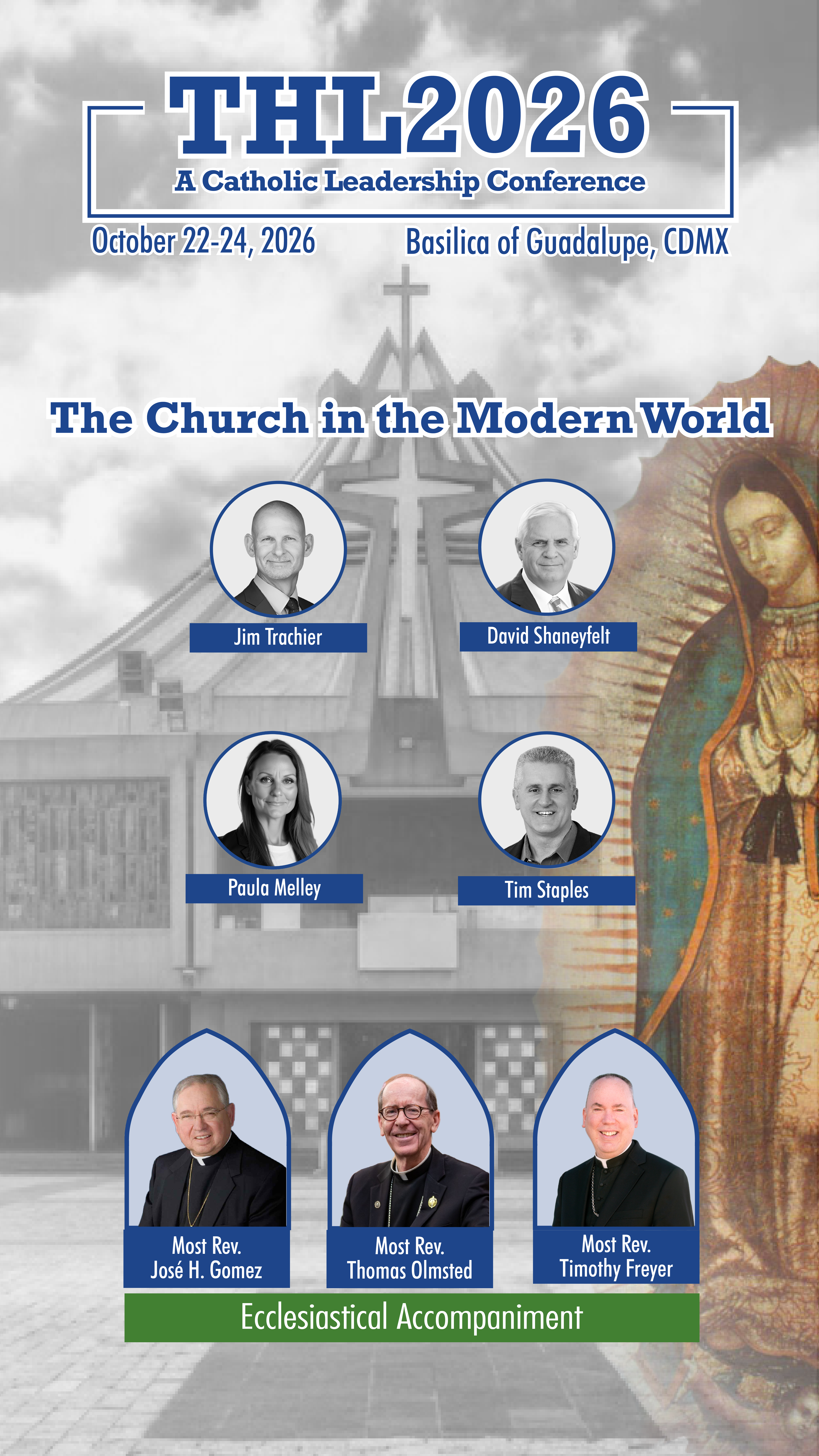
P.S. Discover the place where Our Lady of Guadalupe appeared to St. Juan Diego. See her image. And join Archbishop José Gómez , Bishop Thomas Olmsted and Bishop Timothy Freyer for The Hour of the Laity 2026 in Mexico City.