In the modern marketplace, professional success is routinely measured by what we acquire: expanding market share, growing margins, elevated titles, and accumulated influence. In a corporate culture driven by transactional value, generosity is frequently misconstrued as a soft luxury reserved for year-end philanthropy or formal corporate social responsibility campaigns.
For the Catholic professional, however, generosity cannot be reduced to a secondary line item. Grounded in Catholic social teaching and what Pope Benedict XVI so beautifully termed the "logic of gift," true generosity is far more than donating surplus financial capital. It is a foundational orientation of stewardship, a warm, intentional commitment to managing our time, talent, and authority in ways that honor God and uplift those around us.
1. Generosity of Time and Mentorship
In high-demand professional environments, time is often our most guarded resource. While protecting our calendars is necessary for focus, an overly defensive posture can end up isolating us from the very people we are called to serve and support.
Practicing generosity begins with intentional presence. When a leader deliberately sets aside time to sit down with a struggling colleague, mentor a rising associate, or offer thoughtful, encouraging feedback, management transcends routine administration and becomes authentic servant leadership. This form of giving costs nothing financially, yet it deeply affirms the inherent dignity of the individual and builds an organizational culture rooted in genuine trust and warmth.
2. Generosity in Credit and Recognition
Professional envy is a subtle yet destructive force in workplace dynamics. It fosters a scarcity mindset, the quiet fear that another person’s achievement somehow diminishes our own standing.
Gospel-centered generosity dismantles this anxiety. A faithful leader actively seeks opportunities to highlight the contributions of others, freely sharing credit for successes and genuinely celebrating the advancements of peers. Recognizing that skill and opportunity are gifts entrusted to us for the common good liberates us from the exhausting pursuit of self-aggrandizement. Sharing the spotlight does not weaken our authority; it amplifies respect and fosters heartfelt collaboration.
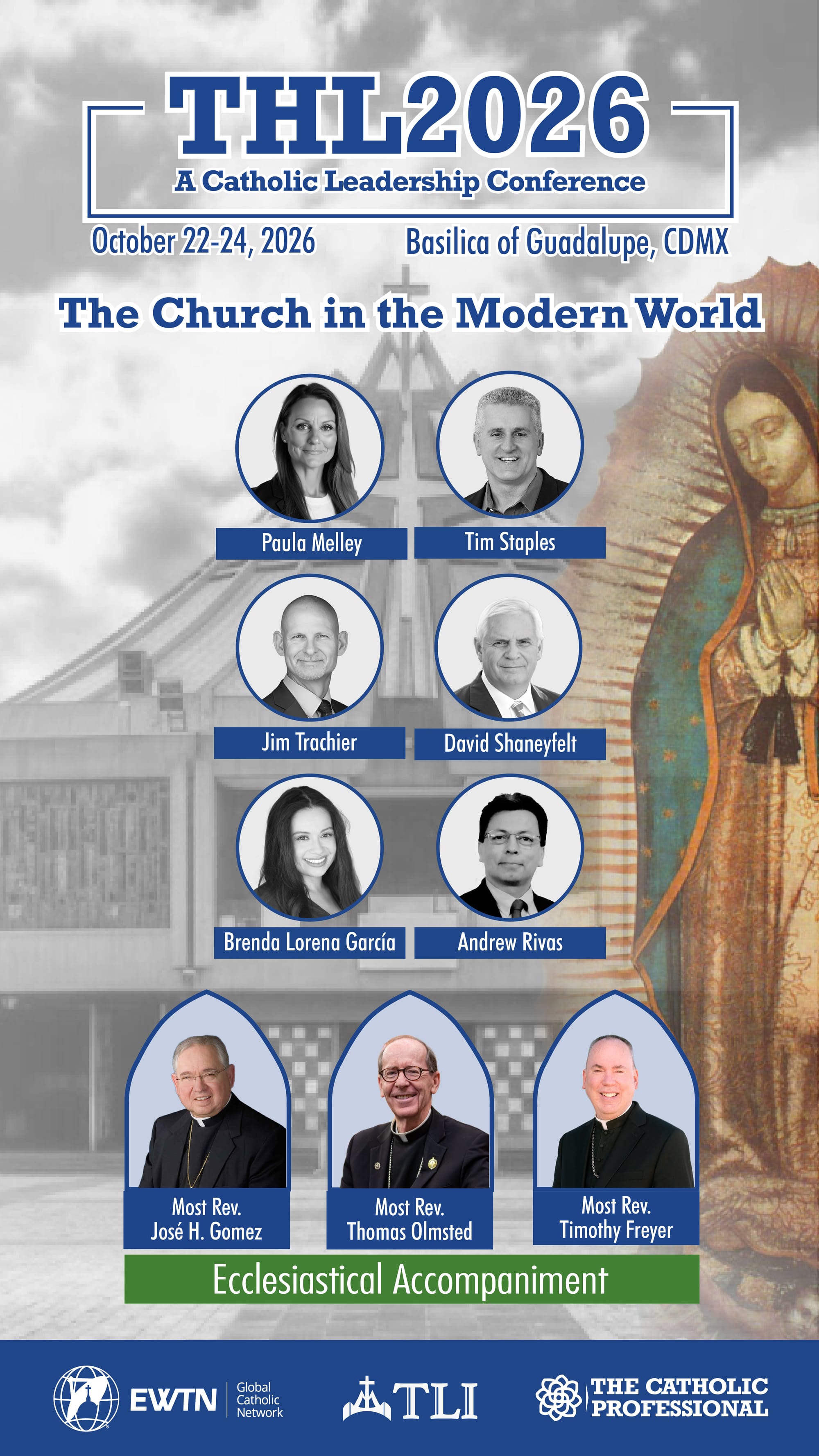
Ad: Discover the place where Our Lady of Guadalupe appeared to St. Juan Diego. See her image. And join Archbishop José Gómez, Bishop Thomas Olmsted and Bishop Timothy Freyer for The Hour of the Laity 2026 in Mexico City.
3. The "Logic of Gift" in Strategic Decisions
In Caritas in Veritate, Pope Benedict XVI reminded us that economic life must be animated by gratuitousness, a readiness to extend fairness, care, and human warmth beyond what strict contracts or legal obligations demand.
In daily business operations, this principle comes alive in practical commitments across several key areas. Leaders practice just care by going beyond minimum compliance to ensure fair compensation, balanced workloads, and a sincere concern for their team's well-being. They bring graciousness to conflict by extending the benefit of the doubt during tense negotiations or internal disputes, choosing constructive reconciliation over workplace politics. Finally, value-driven stewardship requires maintaining ethical integrity in client relations, vendor selection, and financial management, ensuring that people are always prioritized over short-term gains.
Integrating generosity into executive decision-making demonstrates that profitability and moral integrity are not opposing forces. Rather, commercial enterprise becomes a beautiful instrument for human flourishing.
Living the Vocation
Generosity in professional life serves as a quiet, powerful witness. When colleagues encounter a leader who gives credit freely, shares knowledge with open hands, and makes decisions with genuine care for the whole person, they encounter the tangible fruits of faith in action.
As you step into your work week, take a quiet moment to reflect on where you might move from a mindset of scarcity into one of gratitude. Think about which colleague or team member could use your time, encouragement, or advocacy today, and consider how your strategic choices can reflect a deeper commitment to the good of all.
By cultivating generosity as a daily professional discipline, Catholic leaders help transform competitive workplaces into communities marked by shared purpose, deep integrity, and grace.
P.S. Join Archbishop José Gómez, Bishop Thomas Olmsted and Bishop Timothy Freyer for The Hour of the Laity 2026 in Mexico City. In the videos bellow you will see what they have to say about THL2026.
Ad: Tepeyac Leadership’s Leadership for the World is a $2 million, three year mission to form lay Catholic leaders for the public square. Without formation, others fill the void. Will you step in or step aside now, when it matters most?