Table of Contents
"Vanity of vanities, says Qohelet, vanity of vanities! All things are vanity. What profit has man from all the toil at which he toils under the sun?" (Ecclesiastes 1:2-3)
Few passages in sacred Scripture strike at the heart of the modern professional drive quite like the opening of Ecclesiastes. In a culture that worships the altar of endless growth, quarterly metrics, hustle culture, and personal brand building, Qohelet’s declaration that "all is vanity" (hebel, meaning a vapor, breath, or mere puff of wind) feels jarringly counter-cultural.
For the Catholic professional, wrestling with Ecclesiastes is essential. We live in a world that constantly demands we pour our entire identity into our work. Yet, the preacher reminds us of a humbling truth: the relentless cycle of corporate striving, by itself, is ultimately empty.
The Endless Cycle of the Modern Workplace
Read further down in the passage, and Qohelet paints a picture of a world locked in monotonous motion:
"Sun rises, sun sets, then to its place it speeds and there it rises again. Going to the south, then turning to the north, round and round goes the wind, on its rounds the wind returns." (Ecclesiastes 1:4-6)
Any executive, manager, or entrepreneur can read these lines and immediately think of their inbox. The quarterly review ends, only for the next quarter's targets to instantly replace them. Projects launch, close, and fade from memory. Markets fluctuate, technologies evolve, and the wheel keeps spinning.
When we tie our ultimate worth to this corporate treadmill, burnout is inevitable. If our career is the sum total of our legacy, we quickly realize that corporate memory is notoriously short. The big account we closed five years ago is old news, while the leadership framework we perfected is replaced by a new restructuring initiative. Striving for secular validation alone leaves us grasping at vapor.
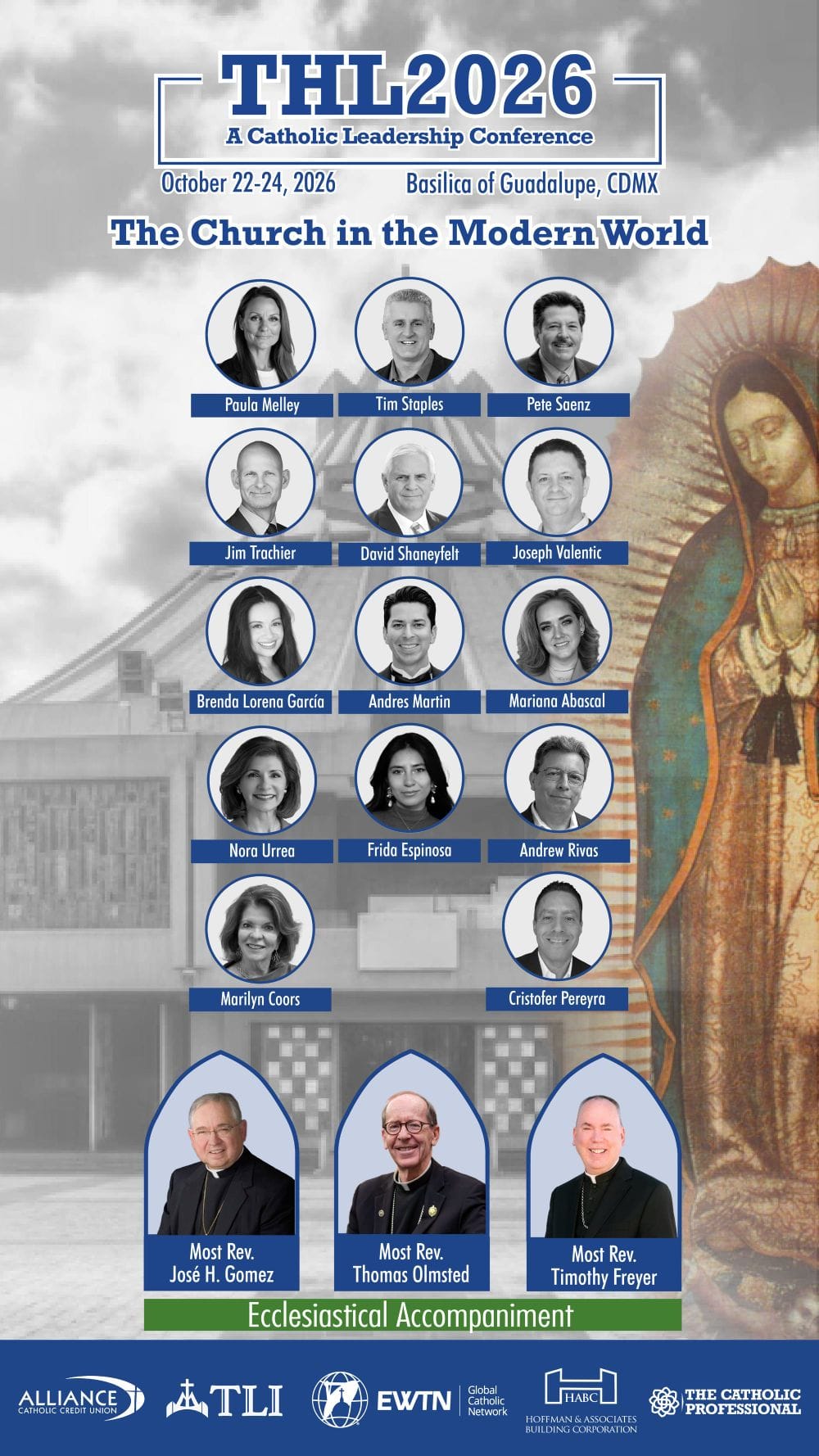
Ad: Discover the place where Our Lady of Guadalupe appeared to St. Juan Diego. See her image. And join Archbishop José Gómez, Bishop Thomas Olmsted and Bishop Timothy Freyer for The Hour of the Laity 2026 in Mexico City.
Shifting from Futility to Stewardship
Does Ecclesiastes tell us to throw up our hands, abandon our desks, and check out of professional life? Absolutely not. Christianity is not a religion of quietism or despair.
Instead, the wisdom of Qohelet invites us to undergo a profound reorientation of why we work. When we realize that professional achievements, status symbols, and bottom-line metrics cannot ultimately save us or provide permanent existential security, we are liberated from the tyranny of hyper-ambition.
For the Catholic leader, work shifts from an ego-driven quest for self-actualization to an act of joyful stewardship.
- Root Your Identity in Grace, Not Output: Your primary identity is a child of God, not your job title, C-suite status, or LinkedIn following. When your self-worth is secure in Christ, you can lead with peace rather than frantic anxiety.
- Focus on the Eternal Value of People: Projects and profits pass away, but human souls are eternal. How we treat our subordinates, how ethically we negotiate, and how much dignity we afford our colleagues are the only aspects of our work that echo into eternity. Leading with virtue transforms mundane tasks into holy offerings.
- Embrace Right-Sized Ambition: Pursuing excellence, innovation, and career growth is good and noble, as it is part of cooperating with God's ongoing creation. But it must be kept in its proper place. Work is a major part of our earthly life, but it is not the whole of it.
Finding Peace in the Daily Labor
Ecclesiastes ultimately points us away from the illusion that we can anchor our happiness in earthly toil. By stripping away our illusions of self-made permanence, Qohelet clears the space for true wisdom: recognizing that our labor is a gift to be offered back to God with gratitude.
When the Monday morning rush begins and the corporate wheel starts turning again, let the wisdom of Scripture anchor you. Do your work with excellence, integrity, and passion, but leave the vanity of ultimate control behind. Secure in grace, we are free to work hard, love our teams, and trust that God brings lasting meaning to what we do.
Ad: Tepeyac Leadership’s Leadership for the World is a $2 million, three year mission to form lay Catholic leaders for the public square. Without formation, others fill the void. Will you step in or step aside now, when it matters most?