Sanctifying the World Series
In today’s rapidly evolving world, few professions demonstrate the union of intellect, innovation, and service to the common good as clearly as biotechnology and pharmaceutical science. For Catholic professionals, these fields are not merely careers, they are vocations that reflect the Church’s call to care for human life, promote health, and uphold human dignity. Every new drug, every vaccine, every research breakthrough should be seen as a tangible manifestation of the Gospel’s imperative to love our neighbors.
Biotechnology and pharmaceutical science occupy a unique position at the intersection of science and compassion. Scientists in these fields work tirelessly to understand diseases, develop therapies, and prevent illness. Their efforts should be rooted in rigorous study, ethical responsibility, and often a profound sense of purpose. In the Catholic understanding, this work aligns with the corporal works of mercy, caring for the sick, protecting life, and alleviating suffering. The laboratory, then, becomes more than a place of technical experimentation, it becomes a place where knowledge is exercised in the service of life.
The global health challenges of our era, emerging infectious diseases, antibiotic resistance, chronic illnesses, and pandemics, highlight the essential role of these professionals. Consider the development of vaccines. Beyond the headlines and technical achievements, vaccines represent a proactive act of charity, a means to protect the vulnerable and promote the flourishing of entire communities. Biotechnology and pharmaceutical researchers should bring together creativity, precision, and ethical discernment to develop interventions that safeguard human life. For a Catholic professional, engaging in this work can be a form of living out the Church’s social teaching, harnessing human ingenuity to serve humanity.
Ethics is central to this vocation. The Church emphasizes that scientific advancement must always respect the dignity of the human person. Catholic scientists in these fields navigate complex moral questions, ensuring research avoids practices that compromise life, maintaining transparency and honesty in clinical trials, and advocating for equitable access to life-saving medicines. Their work embodies the principle of subsidiarity, addressing global health problems while respecting individual human dignity and local needs. In this way, professional excellence and moral integrity are inseparable.
Moreover, biotechnology and pharmaceutical science offer opportunities for holistic impact. Scientists contribute not only to physical healing but also to social and economic renewal. Breakthrough therapies can empower communities, reduce suffering, and give hope to families facing disease. For Catholic professionals, participating in such work transforms a career into a ministry of service, turning intellectual gifts into instruments of charity and stewardship. The laboratory bench, the clinical study, and the research meeting all become places where faith informs practice, and where the pursuit of knowledge becomes an act of love.
The vocation of a biotechnology or pharmaceutical scientist also invites reflection on the spiritual dimension of work. As St. John Paul II wrote in Laborem Exercens, human labor is a way to participate in God’s creation and to build the world according to His plan. Every gene sequenced, every molecule tested, every clinical trial designed is a small act of co-creation with God, using the gifts of reason, diligence, and creativity to safeguard life. In this light, the profession is not just about personal achievement or financial reward, it is about answering a divine call to serve others through the intellect and skill entrusted to us.
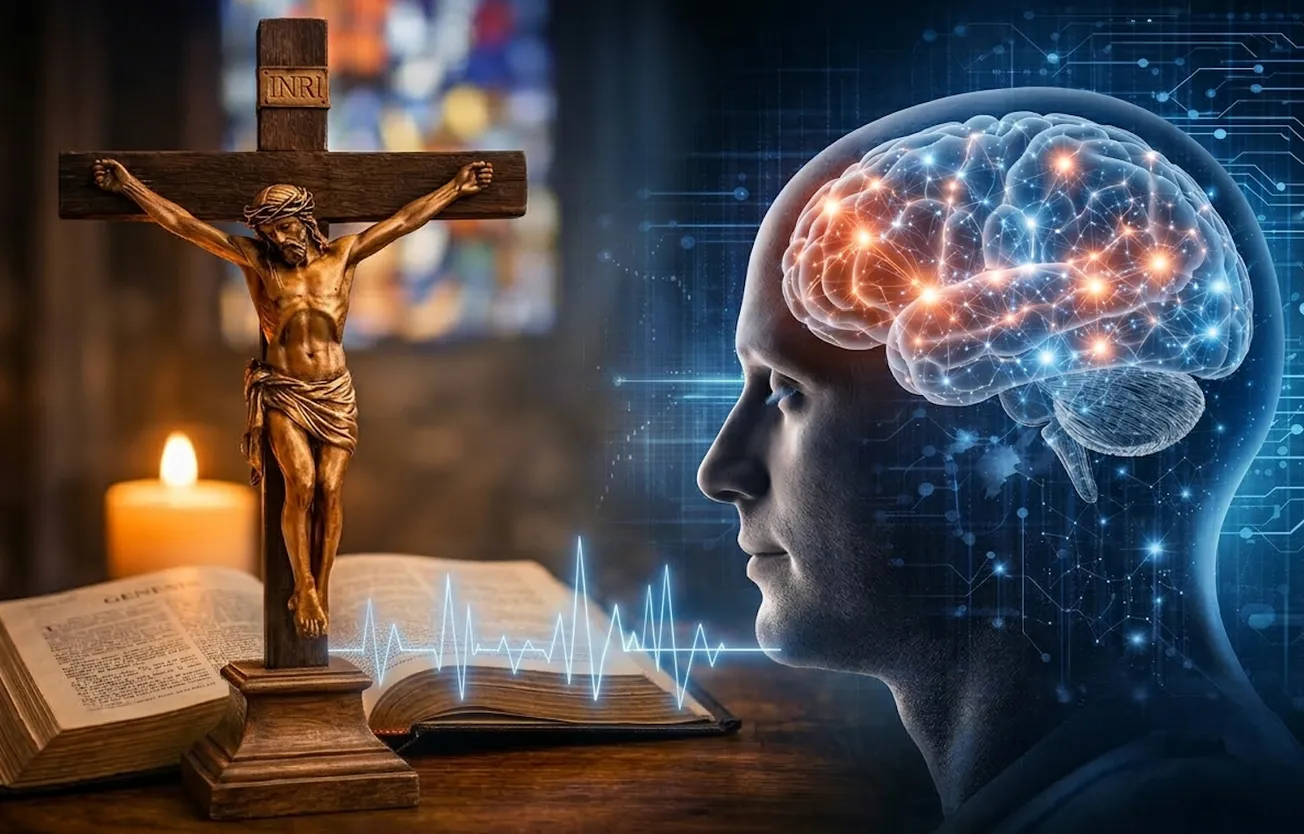
For Catholic professionals considering this path, the call is clear, pursue excellence in science, cultivate moral integrity, and embrace the opportunity to sanctify your work. By doing so, biotechnology and pharmaceutical scientists become not only healers of bodies but also witnesses to the dignity of life, instruments of God’s providence, and participants in the Church’s mission to bring hope, health, and healing to the world. In the laboratory, in research, and in the clinic, faith and science meet, and through them, the world can be quietly sanctified.
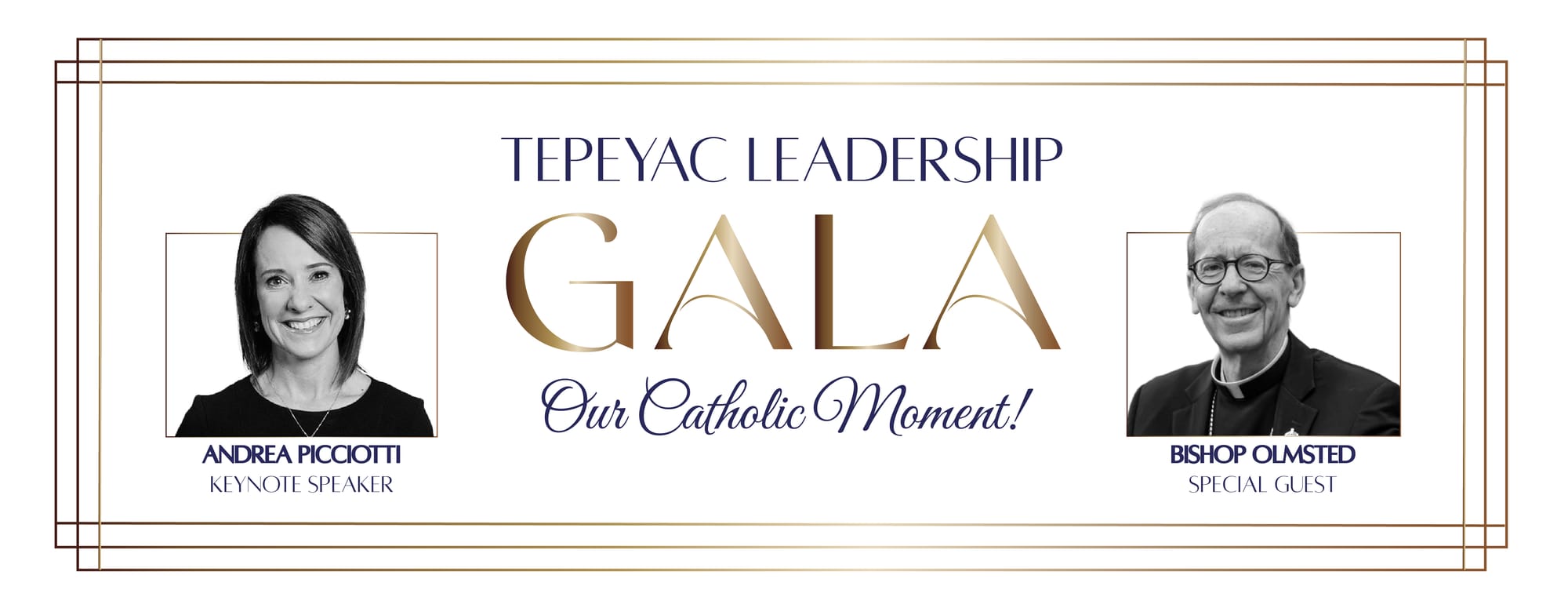
P.S. The date has been set for the 2nd Tepeyac Leadership Gala. Click below to register and mark your calendar to join us!