Table of Contents
Dear TLI family,
As I write these lines, the world continues to remind us that leadership is never theoretical. It is always tested in real moments, under real pressure, often when it costs something to stand for what is right. Whether we look at global instability, cultural confusion, or the quieter challenges inside our organizations and families, one question keeps surfacing with urgency. What does faithful leadership look like when it is not convenient?
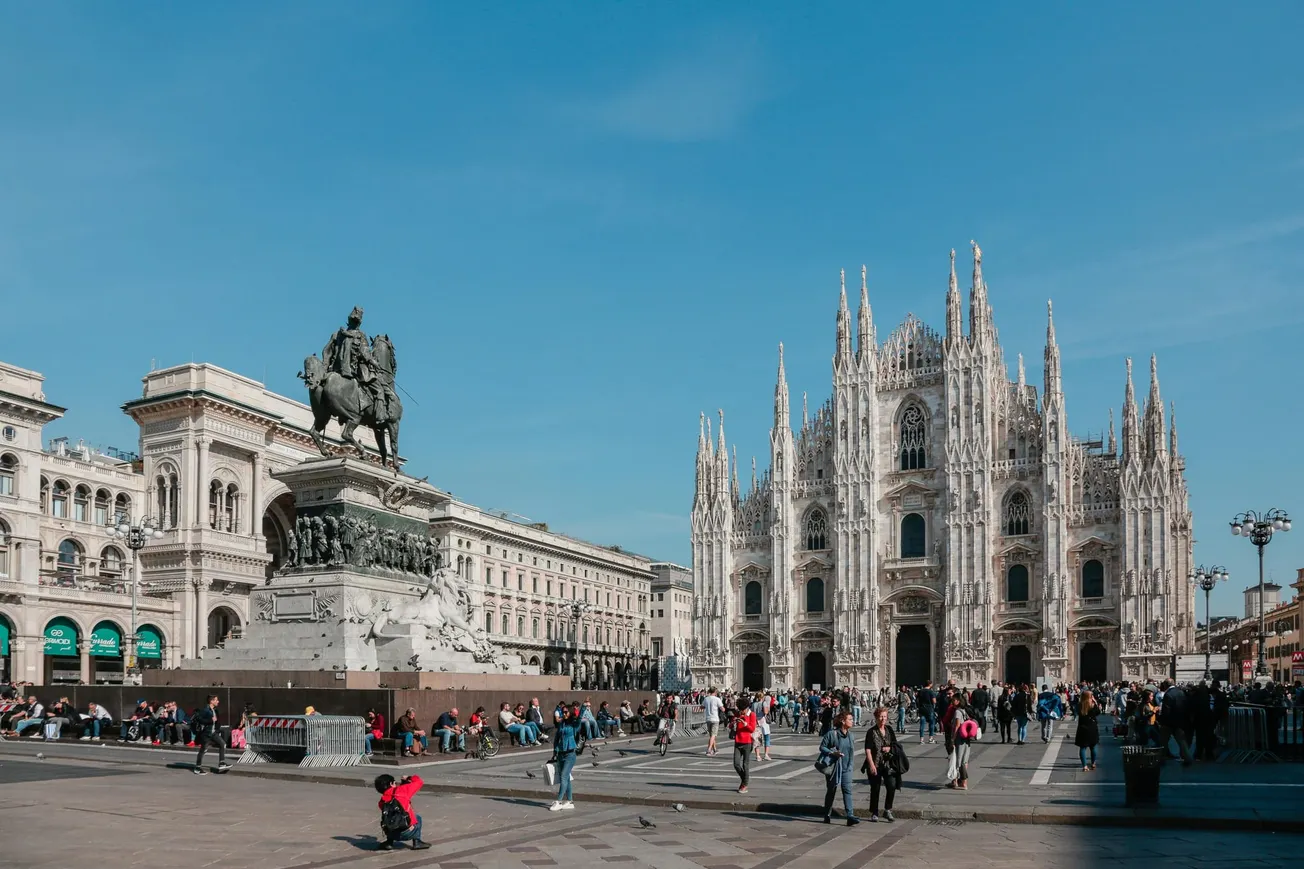
Today I find myself in Italy, first gathering in Milano with a diverse group of Catholic professionals for an intimate encounter we have named Leadership cattolica per la società civile. I think you can easily sense what we are trying to express with that title. It is a conversation about how faith becomes a lived contribution to the common good within civil society, not as an abstract idea but as a daily responsibility carried by professionals in the world.
From there, I will move to Rome, where tomorrow we will gather a broader group for our first Global State of Lay Catholic Leadership, livestreamed on LinkedIn from the Pontifical Athenaeum Regina Apostolorum. This Roman university has partnered with Tepeyac Leadership on this initiative, which we hope will become the first of several annual reports from Rome to the world. Please keep us in your prayers as we prepare for this moment, for clarity of message, humility of spirit, and fruit that serves the mission well.
Amid these gatherings, the Church places before us the witness of St. Charles Lwanga and his twenty-one companions, the young martyrs of Uganda. Their lives offer a lens through which all of this takes on deeper meaning. They were not leaders in the conventional sense. They were young servants in a royal court marked by corruption and moral pressure. Yet in their fidelity, they became leaders of extraordinary courage.
When they were ordered to abandon their faith, they did not negotiate their identity. They did not reshape their convictions to fit the expectations of power. They chose fidelity to Christ, even when that choice led to death. St. Charles Lwanga took responsibility for the younger boys among them, strengthening them with courage and prayer as they faced persecution together. His leadership was not defined by authority over others, but by responsibility for their souls.
Their witness offers us several lessons that speak directly to our mission today.
First, leadership is revealed in what we refuse to compromise. In many environments today, influence is associated with flexibility and the ability to adapt messages for acceptance. Yet there are moments when adaptation becomes a subtle form of surrender. The martyrs of Uganda remind us that identity is not something we adjust under pressure. It is something we witness with clarity.
Second, leadership is often most powerful when it is relational and hidden from public view. We are often tempted to think of leadership as visibility and recognition. Yet in their final hours, these young men led one another through encouragement, presence, and shared courage. St. Charles Lwanga became a source of strength not through position, but through fidelity in a moment of fear. In every organization, the deepest leadership is often carried in quiet acts of support that no audience sees.
Third, leadership requires a moral center that does not shift with circumstance. These martyrs were not executed for political disagreement or institutional failure. They were killed because they refused to surrender their conscience. That clarity matters for all of us. Leadership without a moral center eventually becomes administration without meaning. The witness of these saints calls us back to the truth that leadership always serves something beyond itself.
Finally, their youth reminds us that leadership is not postponed until some imagined readiness. It is already active when it is rooted in conviction. They were young, yet decisive. They were formed not by comfort, but by faithfulness under pressure. This challenges the tendency to delay responsibility until conditions feel ideal. Formation happens in the present moment, not in a distant future.
As I move between Milan and Rome this week, I carry their example with me. Not because we are seeking martyrdom, but because we are seeking the same interior freedom. The freedom to choose truth over approval. The freedom to choose integrity over convenience. The freedom to remain steady when pressure increases rather than when it disappears.
May St. Charles Lwanga and his twenty-one companions intercede for all of us in TLI, especially for those carrying responsibility in complex environments or making decisions that require quiet courage.
And may we learn from them that the most enduring leadership is not measured by noise or visibility, but by fidelity when it matters most.
Sincerely yours in Christ and Our Lady of Guadalupe,
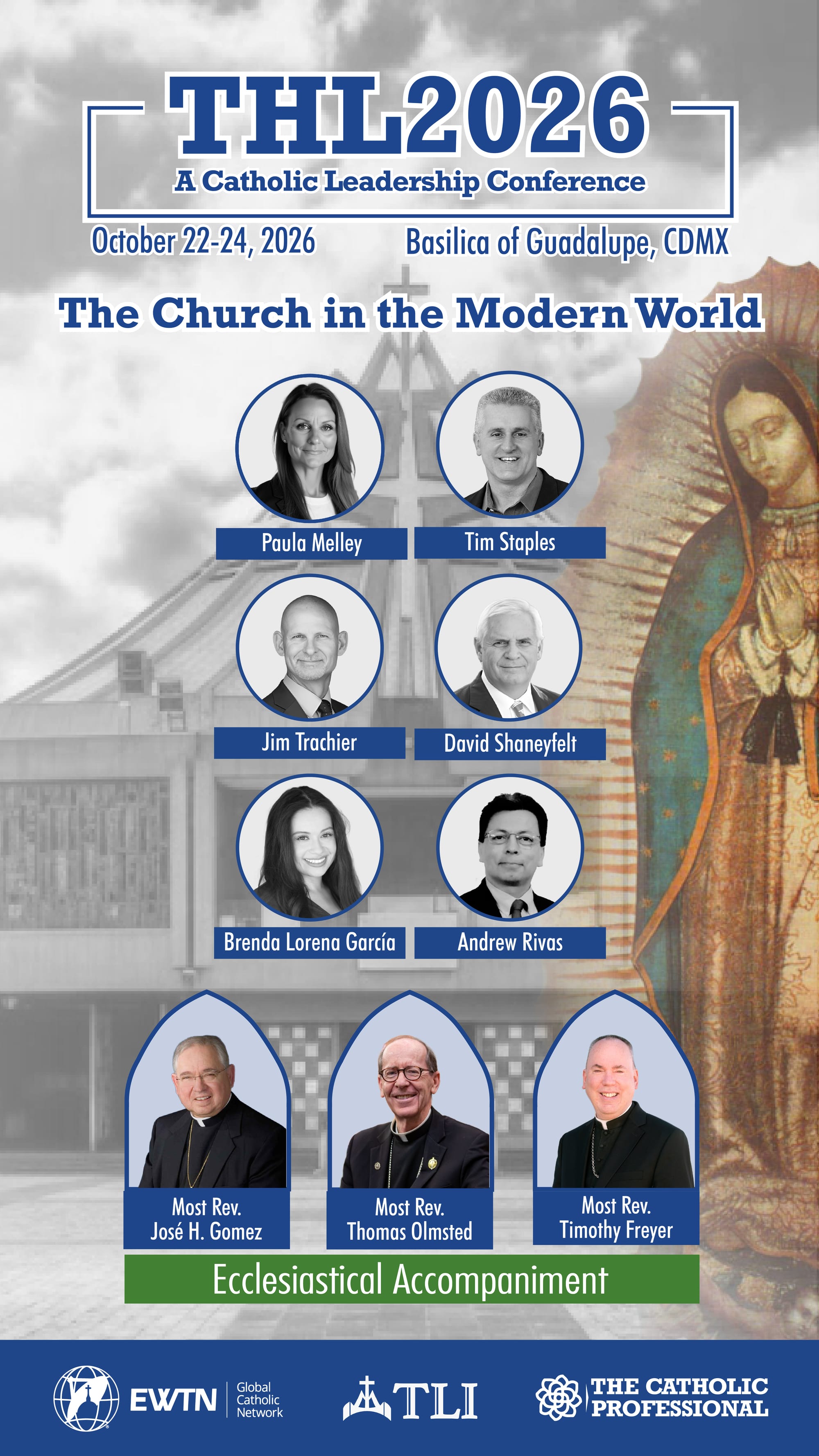
P.S. Discover the place where Our Lady of Guadalupe appeared to St. Juan Diego. See her image. And join Archbishop José Gómez, Bishop Thomas Olmsted and Bishop Timothy Freyer for The Hour of the Laity 2026 in Mexico City.