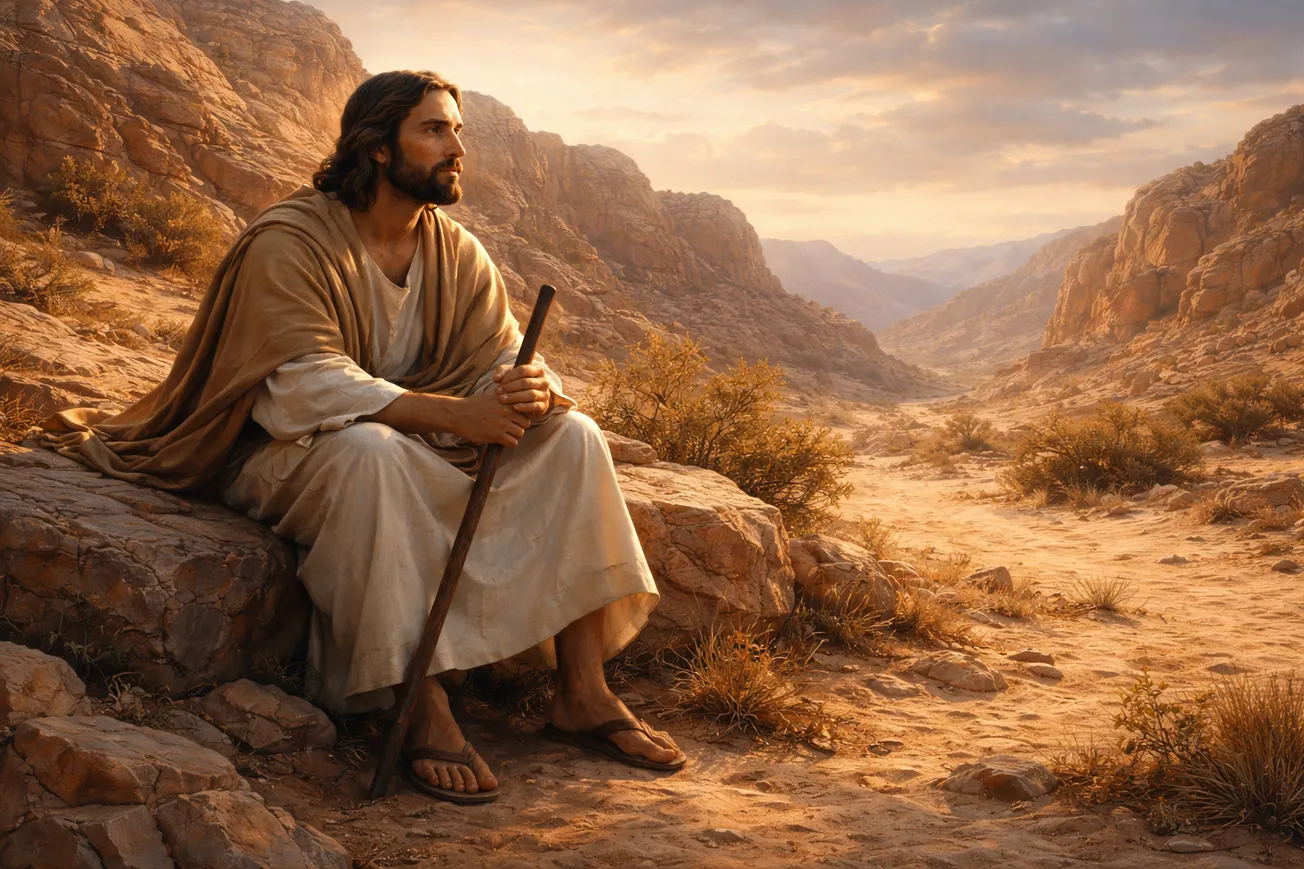
Each year, on the First Sunday of Lent, the Church proclaims the Gospel of Jesus entering the desert for forty days. As recorded in the Gospels, the Spirit leads Christ into the wilderness after His baptism in the Jordan. There He fasts, prays, and endures temptation from the devil. For Catholic tradition, this is not merely a dramatic episode before His public ministry. It is a revelation of who He is and a pattern for how His disciples are to live.
The number forty is rich with biblical meaning. Israel wandered forty years in the desert before entering the Promised Land. Moses fasted forty days on Sinai. Elijah journeyed forty days to Horeb. When Jesus enters the desert for forty days, He recapitulates Israel’s history and fulfills it. Where Israel murmured, He trusts. Where Israel fell into idolatry, He remains faithful. He is the New Israel and the New Adam, victorious where the first Adam failed.
The Desert as a School of Purification
For Catholic theology, the desert is not primarily a geographical place but a spiritual reality. It represents purification, testing, and intimacy with God. In the desert distractions fall away. Comforts are stripped. One confronts hunger, weakness, and silence. Christ freely embraces this condition. Though sinless, He chooses to enter into our human frailty. He does not begin His mission with applause or strategy sessions, but with hiddenness, fasting, and prayer.
The desert is where identity is clarified. Before the world hears His preaching, the Son rests in the Father’s will. This hidden obedience is the foundation of authentic authority.
The Three Temptations and the Human Heart
The temptations themselves reveal the core struggles of every human heart.
First, the devil urges Him to turn stones into bread. After forty days of fasting, the temptation is concrete and bodily. Yet Jesus responds that man does not live by bread alone. Catholic tradition sees here the call to order material needs under spiritual truth. Work, income, and professional success are real goods. But they cannot become ultimate. The Catholic professional must resist the reduction of life to productivity and consumption.
Second, the devil tempts Him to throw Himself from the Temple, seeking dramatic proof of divine protection. It is a temptation to spiritual pride and spectacle. Jesus refuses to manipulate the Father. He will not force God’s hand for personal validation. In our careers, we may be tempted to seek recognition at any cost, to build a platform rather than a vocation. Christ teaches us quiet fidelity over theatrical success.
Third, the devil offers all the kingdoms of the world in exchange for worship. Here lies the most radical temptation, power divorced from obedience to God. Jesus rejects it absolutely. Catholic tradition understands this as a decisive victory over disordered ambition. Authority, influence, and leadership are good when ordered to service. They become destructive when they demand compromise with evil.
Standing on the Word
Importantly, Jesus does not argue creatively with the tempter. He answers with Scripture. He stands firmly on the Word of God. The desert thus becomes a school of trust and obedience. Before He preaches, heals, and calls disciples, He establishes interior freedom.
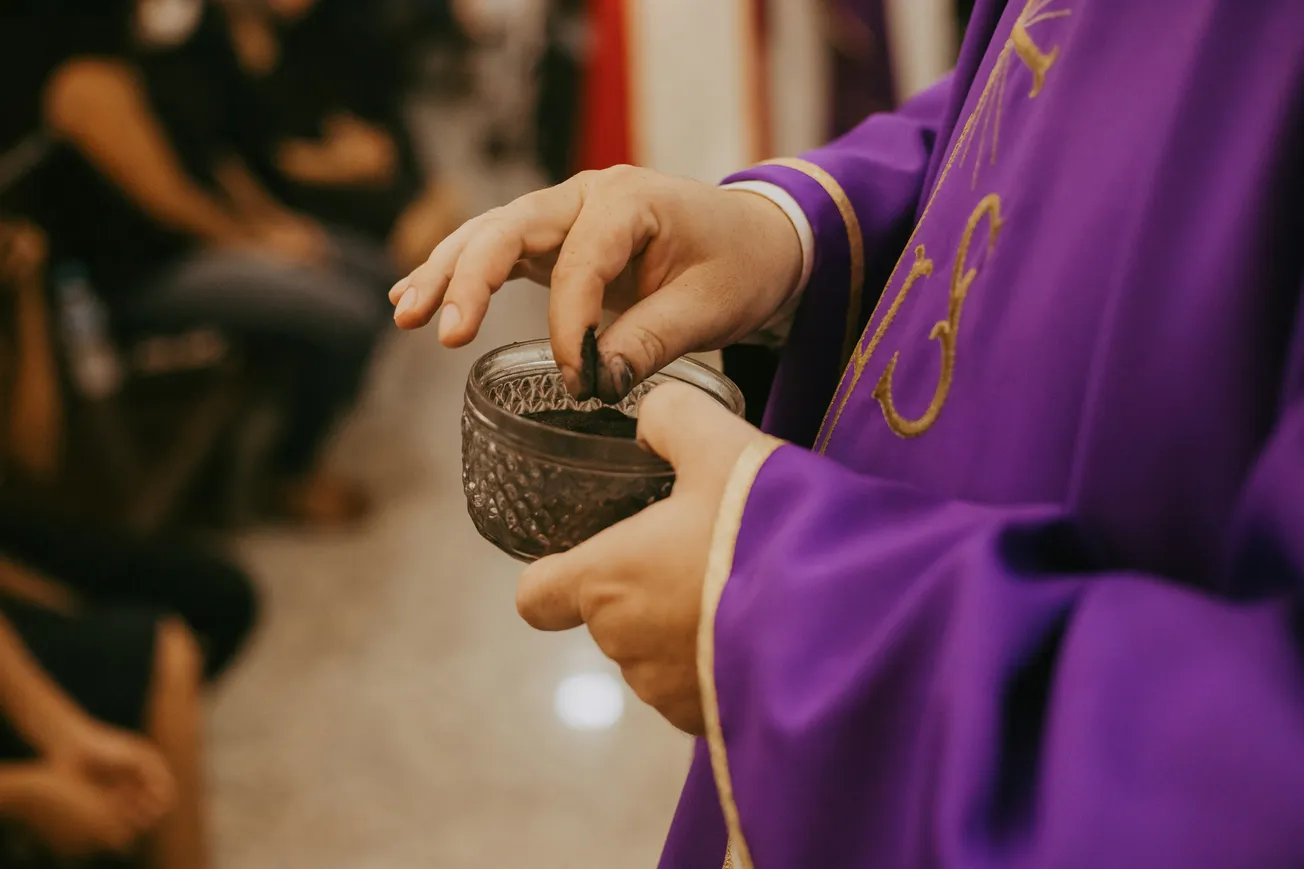
For those engaged in professional life, Christ’s forty days offer a model of preparation and purification. Lent is not an optional spiritual hobby. It is participation in the pattern set by the Lord Himself. Through fasting, prayer, and almsgiving, we enter our own desert. We allow God to reorder our desires. We learn to depend less on constant affirmation and more on grace.
From Hiddenness to Mission
The desert also teaches that mission flows from communion. After the forty days, angels minister to Him and He begins proclaiming the Kingdom. His public authority springs from hidden obedience. In a culture that prizes visibility and speed, Catholic tradition insists that fruitfulness is born in silence and sacrifice.
Ultimately, the forty days reveal Christ as the faithful Son. He trusts the Father completely. For the Catholic professional, this is the heart of leadership: to be a son or daughter first. To receive one’s identity from God before seeking achievements. To choose integrity over expediency. To embrace seasons of testing as preparation for service.
The desert is not an interruption of life. It is where God forms saints. And saints are precisely what the world, and every workplace, most needs.
P.S. The countdown is on for the 2nd Tepeyac Leadership Gala, on March 28. Secure your tickets today by clicking below!