Holy Thursday stands at the threshold of the most sacred days in the Christian calendar, inaugurating the Easter Triduum with a profound blend of reverence, gratitude, and quiet sorrow. Also known as Maundy Thursday, this day draws Catholics into the heart of Christ’s final hours before His Passion, inviting reflection not only on what He did, but on how we are called to live.
The Church commemorates the night of the Last Supper, when Jesus Christ gathered with His disciples and revealed mysteries that would shape the life of the Church for all time. In that upper room, He instituted the Eucharist, offering His Body and Blood under the appearances of bread and wine. At the same moment, He established the priesthood, entrusting His apostles with the sacred responsibility to continue this sacrifice in His memory. For Catholic professionals, this dual gift is not an abstract theological concept, but a living reality that nourishes and sustains daily work in the world.
The Gift of the Eucharist in Daily Life
The institution of the Eucharist is central to Holy Thursday. In every Mass, Catholics participate in that same sacred moment from the Last Supper. For those engaged in professional life, this truth carries deep implications. The Eucharist is not simply a Sunday obligation, but the source of strength, clarity, and purpose. It forms the foundation for ethical decision making, integrity in leadership, and perseverance in the face of challenges.
To receive the Eucharist is to be united with Christ’s self-giving love. This love becomes the model for how Catholic professionals are called to serve colleagues, clients, and communities. In a culture often driven by ambition and self-interest, the Eucharist reorients the heart toward sacrifice and generosity.
Servant Leadership and the Washing of Feet
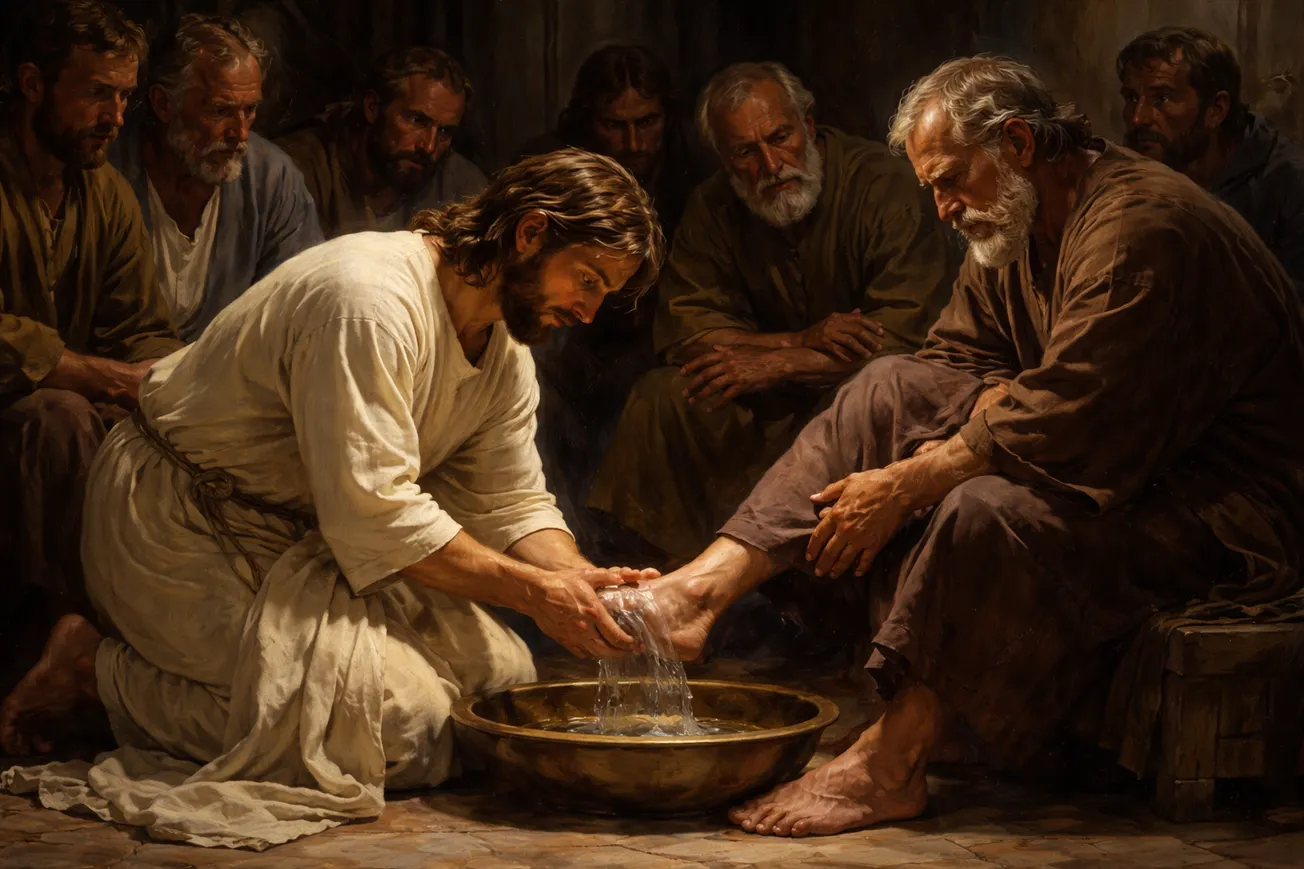
One of the most striking moments of Holy Thursday is the washing of the feet. During the Mass of the Lord’s Supper, the priest imitates Christ by washing the feet of parishioners, recalling the humility of Jesus Christ as He knelt before His disciples. This act was not merely symbolic. It was a command.
Christ’s example redefines leadership. Authority is not exercised through dominance, but through service. For Catholic professionals, especially those in positions of influence, this moment offers a direct challenge. Leadership is measured not by titles or achievements, but by the willingness to serve others with humility and compassion.
In practical terms, this may mean prioritizing the well-being of employees, acting with fairness and justice, or taking time to mentor and uplift others. The washing of the feet becomes a living blueprint for leadership in every workplace.
The Silence of the Altar and the Call to Watch
At the conclusion of the Mass, the tone shifts dramatically. The Eucharist is carried in procession to a place of reposition, and the altar is stripped bare. The beauty and fullness of the liturgy give way to stark simplicity. This transition reflects the unfolding of Christ’s Passion.
The faithful are invited into Eucharistic Adoration, echoing Christ’s request in the Garden of Gethsemane to remain with Him. This quiet time of prayer offers a rare opportunity for stillness in the midst of busy professional lives. It is a moment to step away from constant demands and to simply be present with the Lord.
For many, this can be one of the most powerful experiences of Holy Thursday. In silence, distractions fall away, and the deeper movements of the heart come into focus. It is here that professionals can rediscover their identity not primarily in their work, but in their relationship with God.
The Unity of the Church in the Chrism Mass
Another significant aspect of Holy Thursday is the Chrism Mass, often celebrated earlier in the day within each diocese. During this liturgy, the bishop blesses the holy oils used throughout the year: the Oil of the Sick, the Oil of Catechumens, and Sacred Chrism. These oils will touch countless lives in the sacraments, from Baptism to Anointing of the Sick.
This moment highlights the unity and continuity of the Church. It reminds Catholic professionals that their vocation is not lived in isolation, but within a larger spiritual family. The grace encountered in the sacraments flows into every aspect of life, including the workplace.
Entering the Mystery with Intention
Holy Thursday is both solemn and celebratory, filled with gratitude for the gifts of the Eucharist and the priesthood, yet overshadowed by the coming reality of betrayal and suffering. It invites a deliberate pause before the intensity of Good Friday.
For Catholic professionals, this day is an invitation to align work with worship, leadership with service, and ambition with sacrifice. By entering more deeply into the mysteries of Holy Thursday, one can carry its lessons into every meeting, decision, and interaction.
In doing so, the example of Christ at the Last Supper ceases to be a distant memory and becomes a guiding presence in the rhythm of daily life.
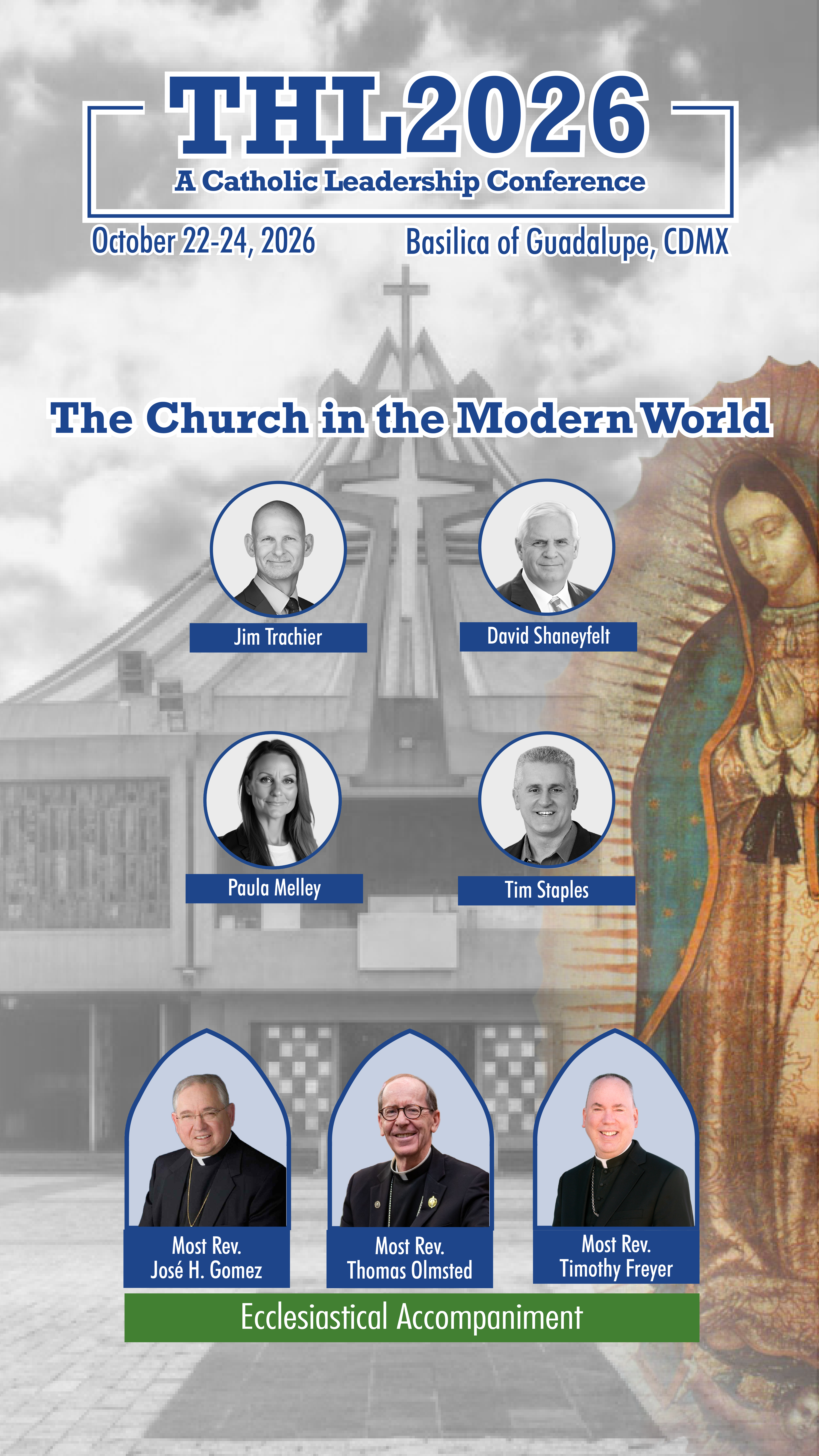
P.S. Discover the place where Our Lady of Guadalupe appeared to St. Juan Diego. See her image. And join Archbishop José Gómez , Bishop Thomas Olmsted and Bishop Timothy Freyer for The Hour of the Laity 2026 in Mexico City.