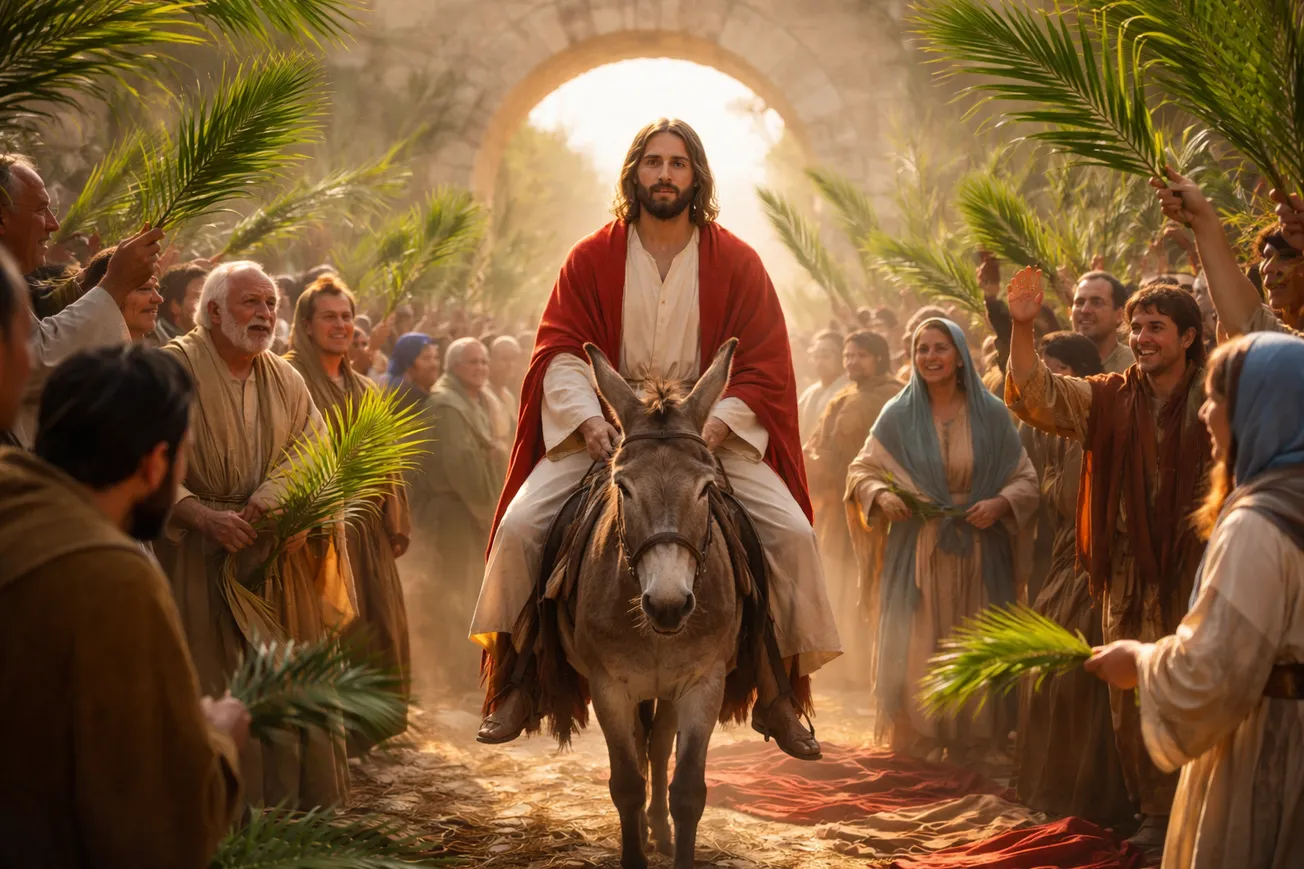
Holy Week stands at the heart of the Christian life. For Catholic professionals, it offers not only a sacred remembrance of the final days of Jesus Christ, but also a profound invitation to renew one’s interior life while remaining engaged in the responsibilities of the world. It is a week that moves from preparation to sacrifice, from silence to glory, guiding the faithful through the mystery of redemption.
Entering the Silence of Monday through Wednesday
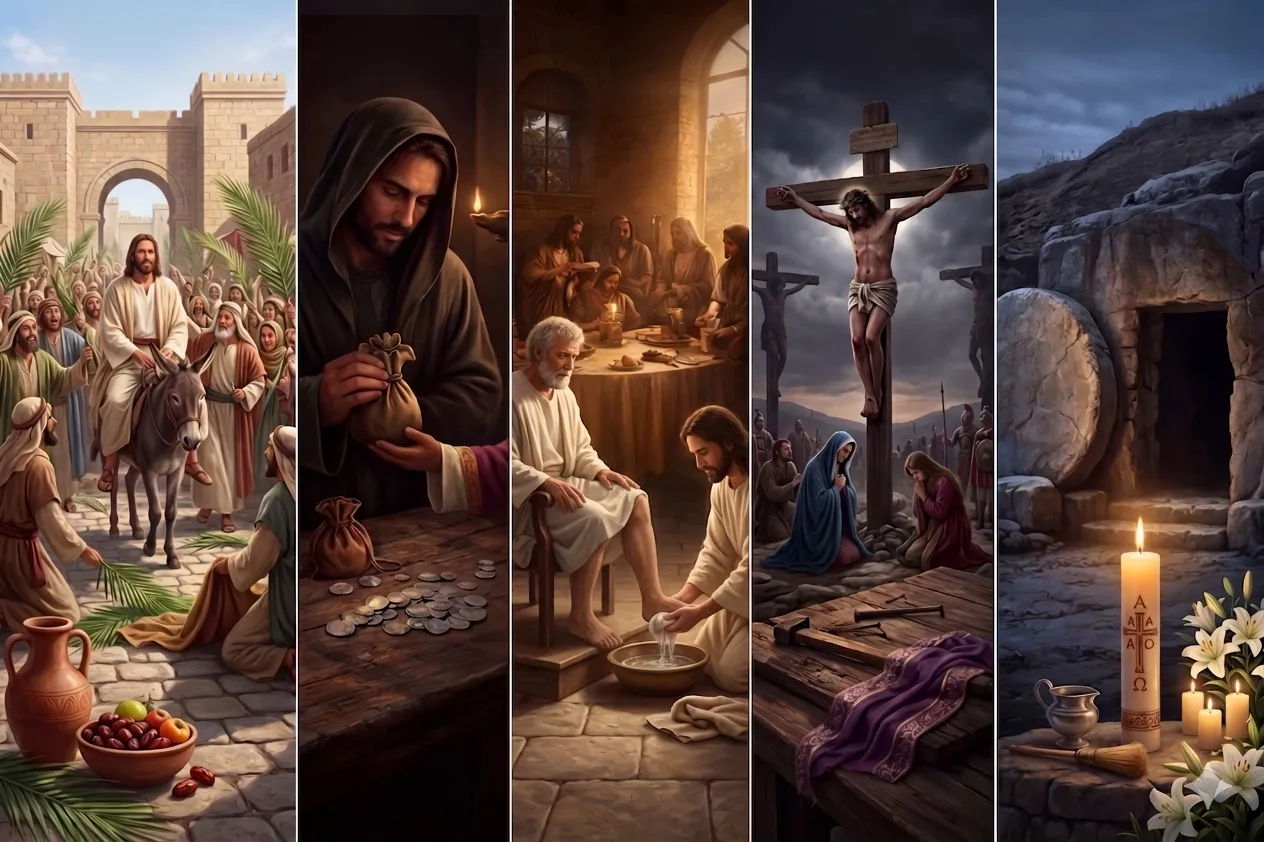
The first days of Holy Week, from Monday to Wednesday, draw us into a spirit of preparation and reflection. The Gospel accounts during these days present moments of tension and revelation. We encounter Jesus cleansing the Temple, a powerful reminder of the call to purify not only sacred spaces, but also our own hearts. For those immersed in professional life, this becomes an examination of integrity, intention, and the alignment between faith and action.
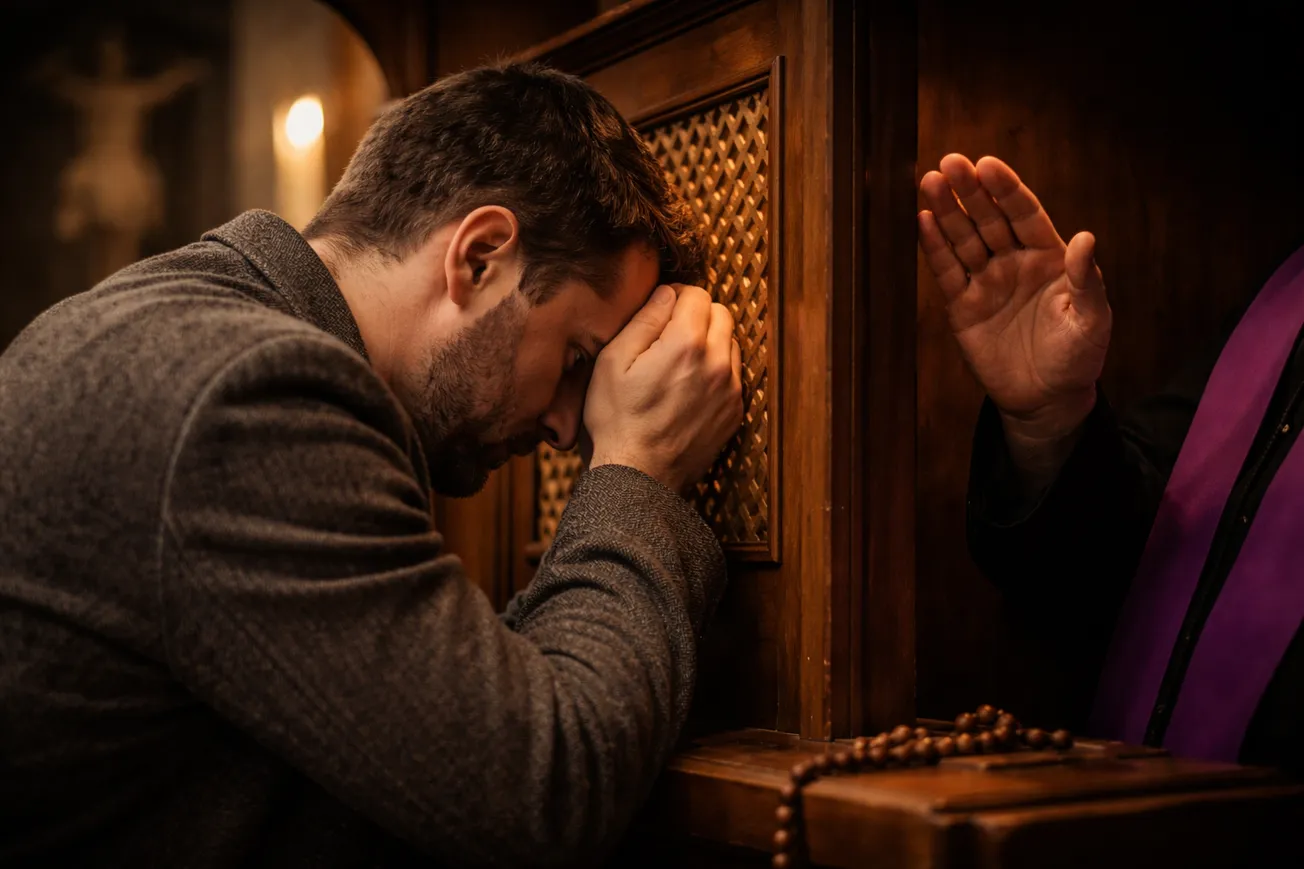
At the same time, the shadow of betrayal emerges. Judas Iscariot’s decision to hand over Jesus invites a sober reflection on human weakness and the subtle ways in which compromise can take root. These days are not meant to discourage, but to awaken vigilance. They offer an opportunity to return to prayer, to confession, and to a renewed commitment to live with coherence and courage.
The Easter Triduum: The Summit of the Year
The Church then enters the Easter Triduum, the three sacred days that form the summit of the liturgical year. This is not simply a sequence of events, but one continuous act of worship that unfolds the Paschal Mystery. For the Catholic professional, the Triduum is a call to step intentionally into the rhythm of the Church, even amid demanding schedules, recognizing that these days reveal the deepest truths about life, sacrifice, and purpose.
Holy Thursday: The Gift of the Eucharist
Holy Thursday commemorates the Mass of the Lord’s Supper, when Jesus instituted the Eucharist and the priesthood. In the Upper Room, Christ offers Himself as spiritual nourishment and establishes the means by which His sacrifice will remain present throughout time.
The washing of the feet, often included in the liturgy, is a striking image of servant leadership. For those in positions of responsibility, this moment challenges worldly notions of power and invites a leadership rooted in humility and self-gift. The Eucharist itself becomes the source of strength, sustaining the faithful in their mission to sanctify the world from within.
Good Friday: The Mystery of the Cross
Good Friday is marked by solemnity, silence, and reverence. The Church commemorates the crucifixion and death of Jesus, entering into a day of fasting and abstinence. No Mass is celebrated, underscoring the gravity of the moment.
For the Catholic professional, Good Friday brings a necessary confrontation with suffering and sacrifice. It reveals that love is not abstract, but costly. In a culture that often avoids discomfort, the Cross stands as a sign that true fulfillment is found through self-giving. This day invites the faithful to unite their own trials, whether personal or professional, with the redemptive suffering of Christ.
Holy Saturday and the Easter Vigil: Waiting in Hope
Holy Saturday is a day of quiet waiting. The Church reflects at the tomb, holding together sorrow and hope. It is a time that mirrors many moments in life when clarity is absent and resolution seems distant.
That silence is broken at the Easter Vigil, the most solemn liturgy of the year. Beginning in darkness, the celebration gradually fills with light, proclaiming that death does not have the final word. The resurrection is announced with joy, renewing the hope that sustains Christian life.
Easter Sunday: The Victory of Life
Easter Sunday celebrates the Resurrection of Jesus Christ, the central truth of the Catholic faith. It is not merely a historical event, but a living reality that transforms every aspect of life.
For Catholic professionals, the Resurrection affirms that their work, when united to Christ, participates in something greater. It reminds them that even in the midst of challenges, renewal is always possible. The empty tomb becomes a sign that faith is not in vain, and that the ultimate horizon of human life is one of hope, victory, and eternal communion with God.
Holy Week, then, is not separate from daily life. It is its deepest interpretation, offering a path to live with purpose, fidelity, and a renewed vision of what it means to follow Christ in the modern world.
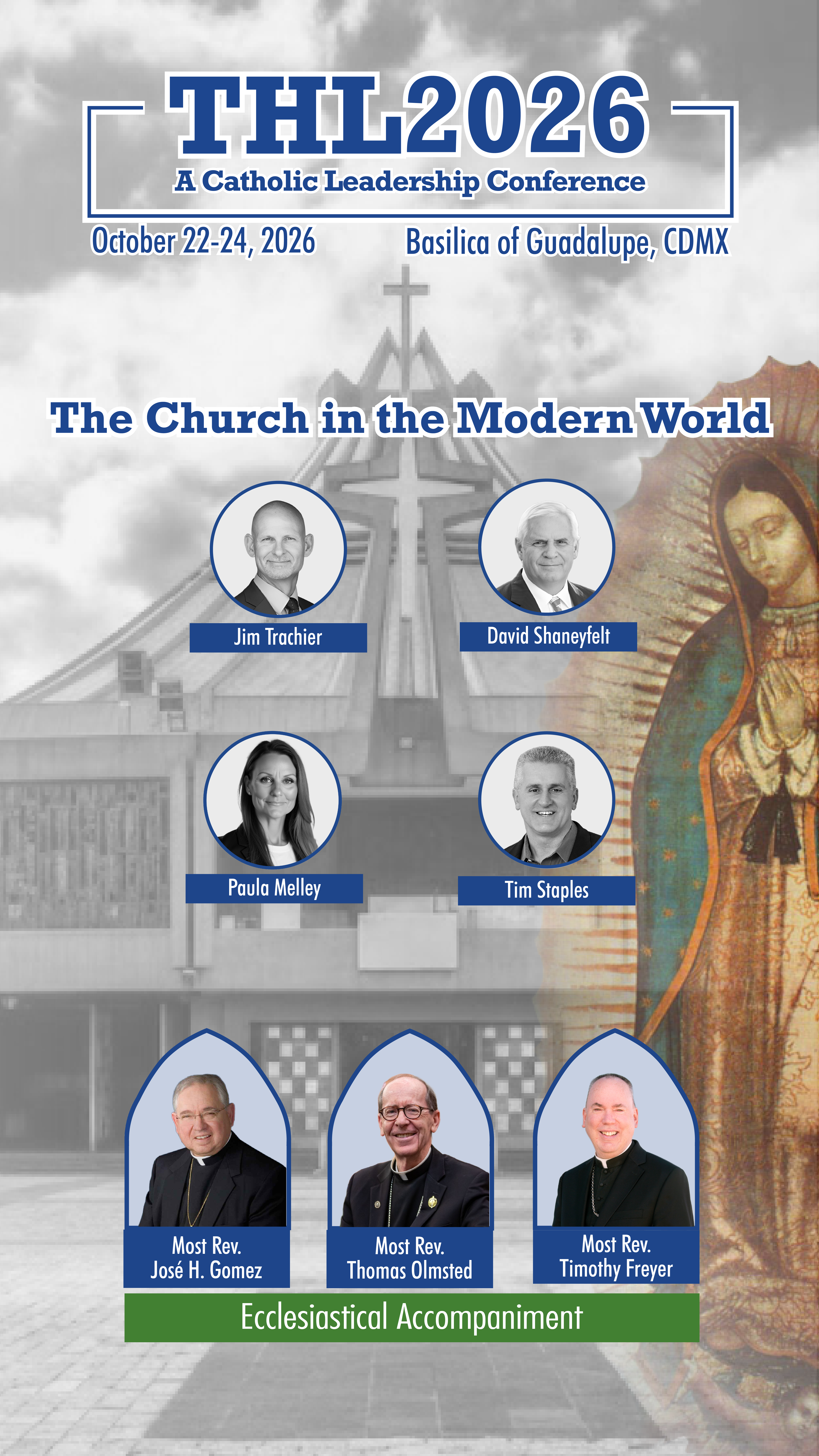
P.S. Discover the place where Our Lady of Guadalupe appeared to St. Juan Diego. See her image. And join Archbishop José Gómez , Bishop Thomas Olmsted and Bishop Timothy Freyer for The Hour of the Laity 2026 in Mexico City.