As the United States marks its historic 250th anniversary, we naturally look back at the builders, statesmen, and visionaries who shaped the American landscape. For the readers of The Catholic Professional, this milestone invites a deeper reflection on a parallel group of architects. These are the American saints who built lasting institutions, fostered professional excellence, and anchored the nation's growth in timeless virtues. Their legacies provide a masterclass in leadership, grit, and unwavering dedication to a mission greater than oneself.
Foundations of Learning and Leadership
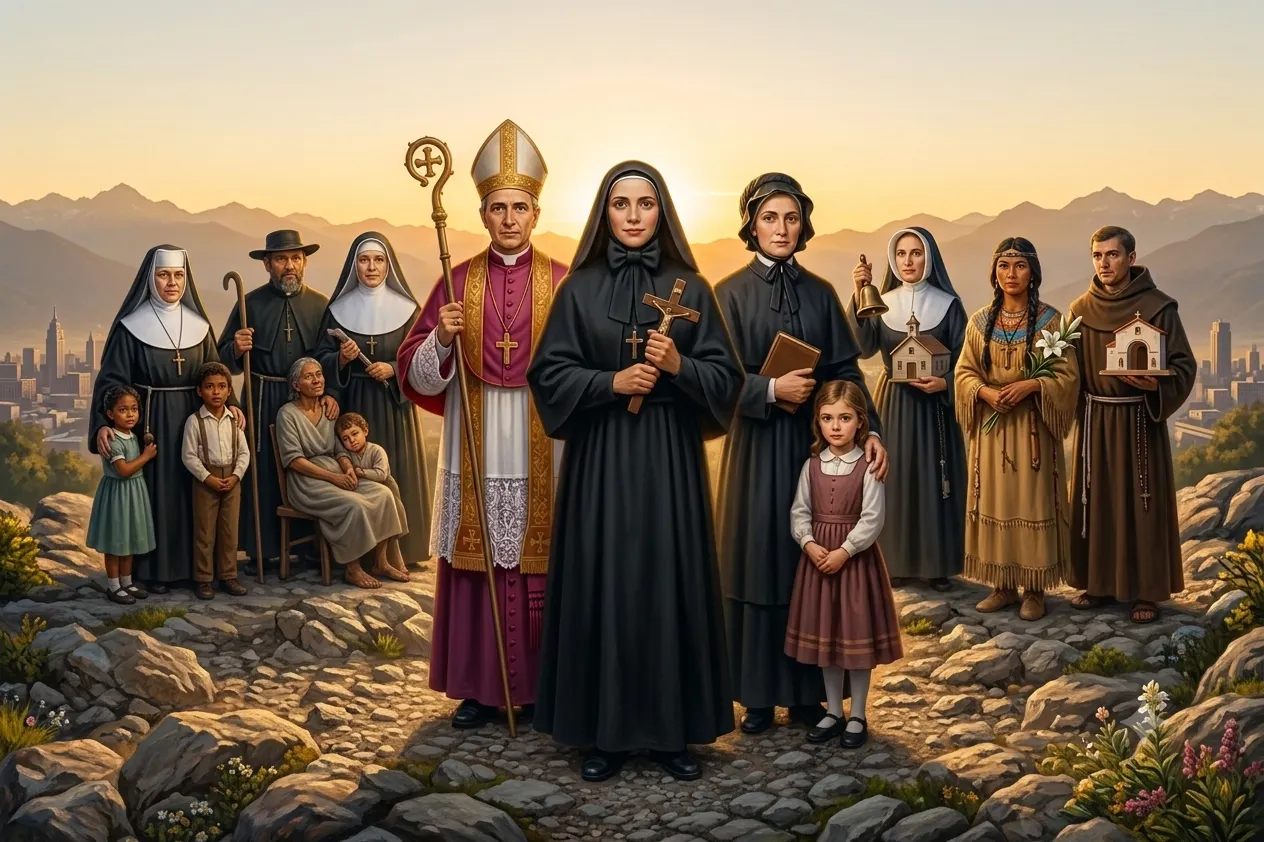
The bedrock of any thriving society lies in education and organizational excellence, areas where American saints left an indelible mark. St. Elizabeth Ann Seton, the first native-born American saint, recognized this necessity early on. She founded the Sisters of Charity and laid the crucial foundations for the American Catholic school system. Her pioneering work proved that faith and intellectual development must advance hand in hand. This vision was expanded significantly by St. John Neumann, a native of Bohemia and the fourth Bishop of Philadelphia, who systematically grew the diocesan school system while maintaining a profound care for newly arrived immigrants.
In a similar vein, leadership often demands the stewardship of resources for the betterment of society. St. Katharine Drexel, a wealthy Philadelphia heiress, chose to dedicate her massive fortune and her entire life to the spiritual and educational care of Native Americans and African Americans. She established the Sisters of the Blessed Sacrament, demonstrating how wealth can be converted into enduring social impact. Farther west, St. Mother Théodore Guérin brought a similar organizational brilliance from France to Indiana. She established the Sisters of Providence of Saint Mary-of-the-Woods, overcoming immense hardships to build numerous schools and orphanages across the frontier.
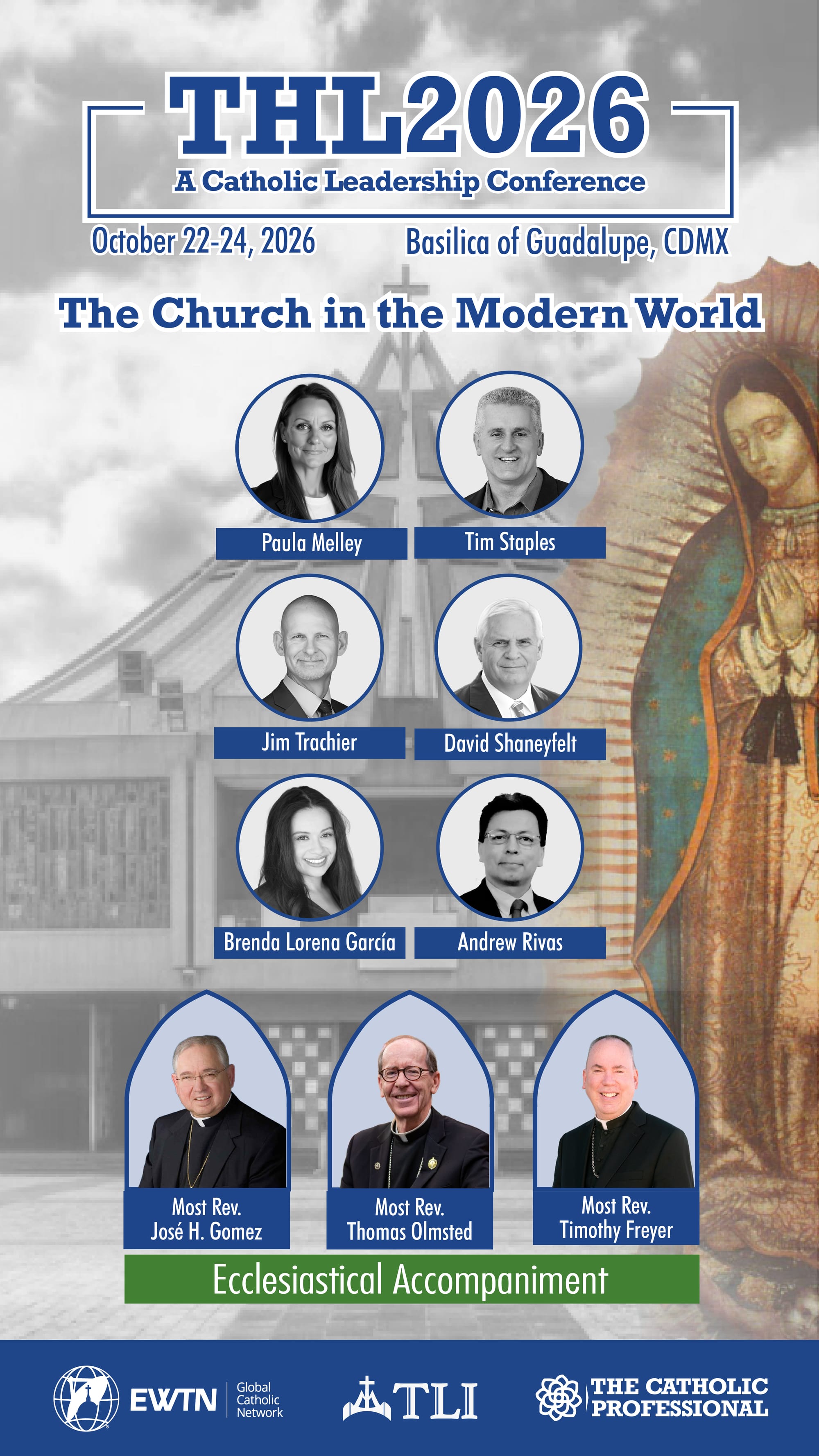
Ad: Discover the place where Our Lady of Guadalupe appeared to St. Juan Diego. See her image. And join Archbishop José Gómez, Bishop Thomas Olmsted and Bishop Timothy Freyer for The Hour of the Laity 2026 in Mexico City.
Compassion as a Professional Mandate
True professional excellence is never detached from empathy, particularly when addressing the margins of society. St. Frances Xavier Cabrini, widely known as Mother Cabrini, exemplified this balance. As an Italian immigrant who became the first naturalized United States citizen to be canonized, she became the patron saint of immigrants. Her ability to establish hospitals, schools, and orphanages worldwide speaks to a rare combination of executive brilliance and deep spiritual conviction. Similarly, St. Rose Philippine Duchesne arrived from France to labor in the Louisiana Territory, setting up vital educational centers for Native Americans and pioneering missionary leadership.
This call to serve the vulnerable took a profoundly sacrificial form in the Pacific, where St. Father Damien de Veuster famously volunteered to serve the isolated leper colony in Molokai, Hawaii. His total immersion in the community eventually led him to succumb to the disease himself, leaving behind a legacy of absolute solidarity. Recognizing the unfinished nature of this vital work, St. Marianne Cope traveled from Syracuse, New York, to Hawaii to continue Father Damien's mission. She brought administrative order, clean facilities, and a gentle dignity to the patients, illustrating how professional healthcare management can become an avenue of sacred service.
Cultural Syntheses and Lasting Legacies
The spiritual tapestry of America also honors those who bridged cultural worlds. St. Kateri Tekakwitha, affectionately known as the Lily of the Mohawks, stands as the first Native American to be canonized. Her life represents a profound interior strength and an authentic enculturation of faith. Centuries earlier, the groundwork of faith on the western coast was laid by St. Junípero Serra, the Spanish Franciscan friar who founded the first nine of twenty-one Spanish missions in California. His efforts helped shape the geographical and cultural identity of the American West.
As Catholic professionals navigating a complex modern marketplace, these saints offer more than historic inspiration. They provide concrete models of executive leadership, strategic vision, and unconditional service. By celebrating their contributions during this semiquincentennial year, we challenge ourselves to bring the same standard of virtue and excellence into our own organizations, communities, and professional endeavors.
Ad: Tepeyac Leadership’s Leadership for the World is a $2 million, three year mission to form lay Catholic leaders for the public square. Without formation, others fill the void. Will you step in or step aside now, when it matters most?
Click to discover why THL2026 is a must-attend event!