For the modern working professional, the commute is often treated as a necessary evil, a sterile, frustrating bridge between the sanctuary of home and the high-stakes demands of the marketplace. Whether you are trapped in a sea of brake lights on the interstate or squeezed into a crowded subway car, this time is frequently labeled as "dead hours." It is a cultural vacuum where we passively consume talk radio, fret over unread emails, or let our blood pressure spike over a sudden lane merger. But what if the most frustrating part of your day is the most spiritually fertile?
In the Catholic tradition, we understand that nothing is outside the scope of redemption. The early Church Fathers often spoke of the Logos, the divine reason and order of Christ, permeating even the most mundane elements of the created world. If Christ is to be Lord of our professional lives, He must also be Lord of the highway. By reframing these transitional hours through a sacramental lens, we can transform a grueling commute into a personal liturgy, a structured, intentional space that prepares our souls for the work ahead.
Choosing Intentionality Over Inertia
A liturgy requires structure, and the first step in redeeming your commute is to consciously curate your environment. Turn off the default background noise of secular media and replace it with active presence. If you drive, your steering wheel can become a visual reminder of your dependence on God, and if you ride the train, the windowpane becomes a lens through which to view the world with Christ’s compassion. This shift changes everything, moving us from reacting to the chaos around us to responding to the promptings of the Holy Spirit.
The Penitential Start
To build a true Liturgy of the Commute, we can naturally mirror the spiritual movements and rhythm of the Mass during our travel time. The first movement is penitential. Use the beginning of your journey to clear the mental clutter by offering up a brief examination of conscience. If you are heading to work, surrender your anxieties, your need for control, and any impending workplace conflicts. If you are heading home, intentionally drop the stresses of the office so you do not carry them across your family’s threshold.
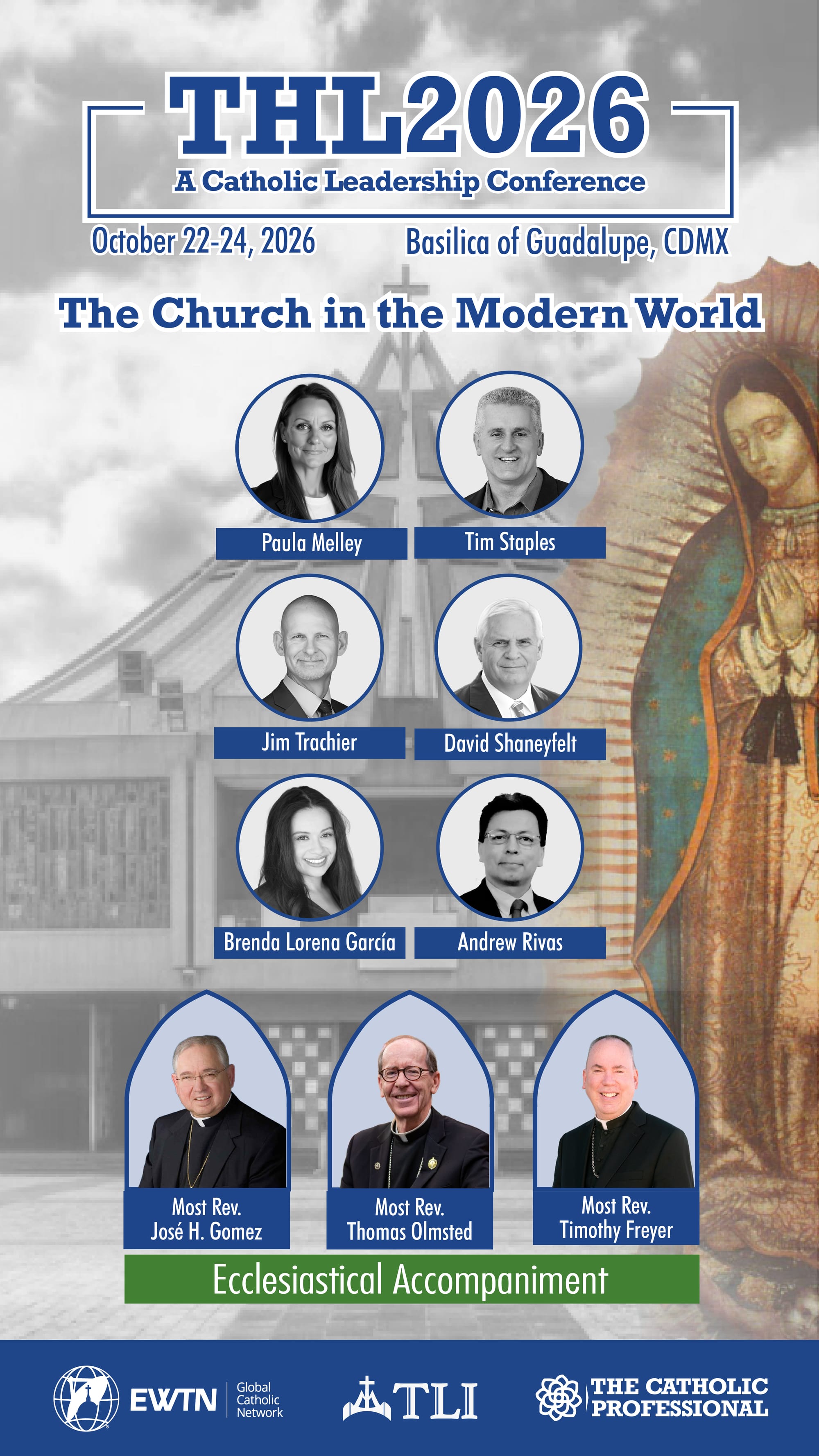
Ad: Discover the place where Our Lady of Guadalupe appeared to St. Juan Diego. See her image. And join Archbishop José Gómez, Bishop Thomas Olmsted and Bishop Timothy Freyer for The Hour of the Laity 2026 in Mexico City.
Nourishment in the Desert
The middle stretch of your journey serves as a Liturgy of the Word, a time dedicated to dynamic spiritual nourishment. Listen to an audio version of the daily Scripture readings, queue up a theological podcast, or let high-quality audiobooks feed your intellect. Alternatively, you can embrace radical silence. In a world of constant noise, twenty minutes of absolute quiet inside a vehicle or under headphones can become a modern desert experience where God can finally speak to the soul.
The Offering of the Day
You can then conclude your commute with a final movement of intercession and offering. Praying the Rosary or the Divine Mercy Chaplet is perfectly paced for the average transit time. As you pull into the parking lot or approach your office building, make an explicit offering of your day. Dedicate your upcoming spreadsheets, meetings, compromises, and creative breakthroughs to the greater glory of God, viewing them as an extension of the altar.
When we practice this liturgy of the commute, we arrive at our desks not as frazzled survivalists, but as anchored apostles. We enter our workplaces with a sense of interior peace that our colleagues will notice, becoming less reactive to toxic office dynamics and more resilient under tight deadlines. The deadest hour of your workday does not have to be wasted. It can become your hidden monastery, a sacred decompression chamber where God shapes your professional ambition into a holy calling. Tomorrow morning, when you start the engine or step onto the platform, do not just pass the time. Redeem it.
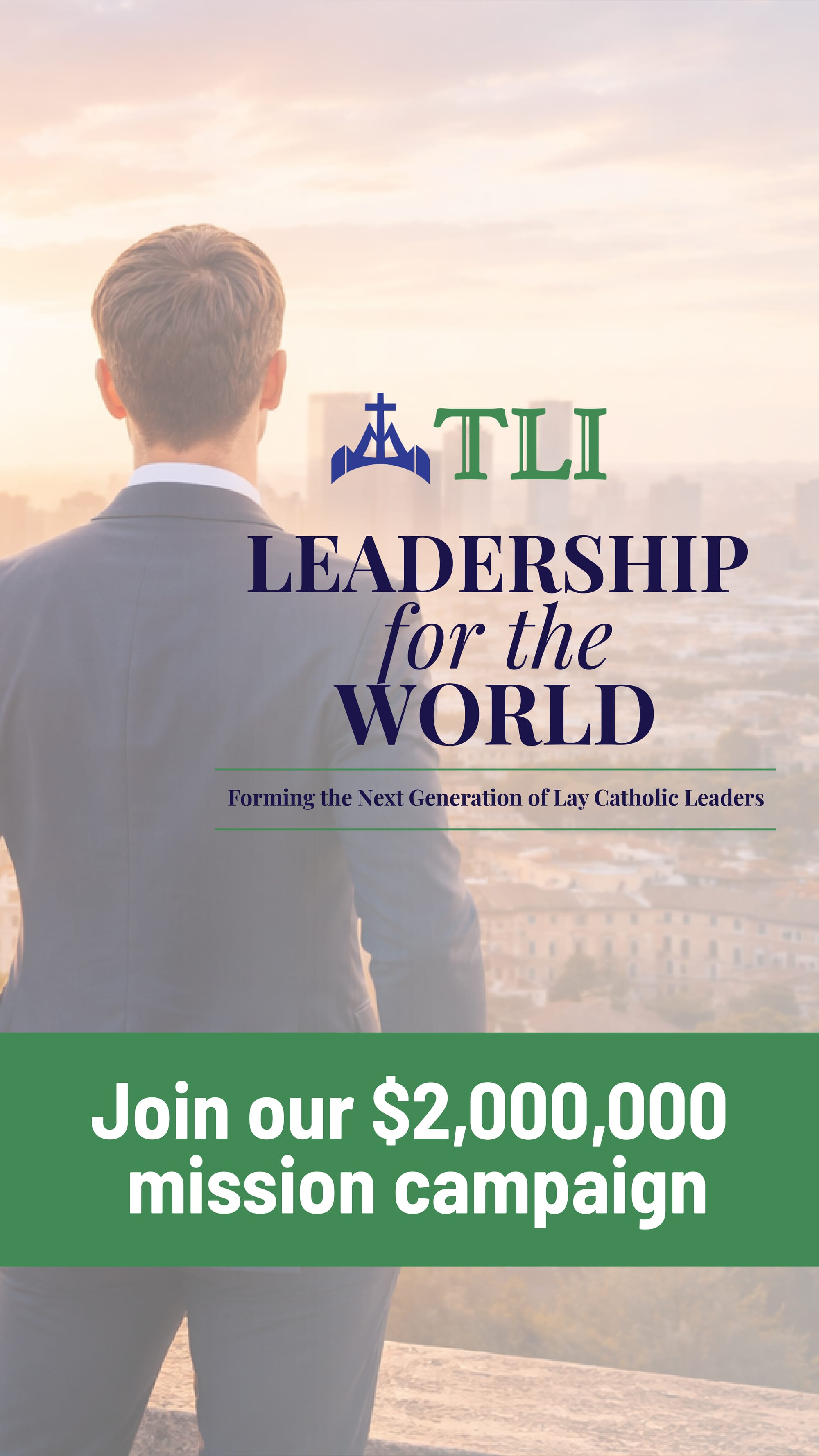
Ad: Tepeyac Leadership’s Leadership for the World is a $2 million, three year mission to form lay Catholic leaders for the public square. Without formation, others fill the void. Will you step in or step aside now, when it matters most?
Click to discover why THL2026 is a must-attend event!