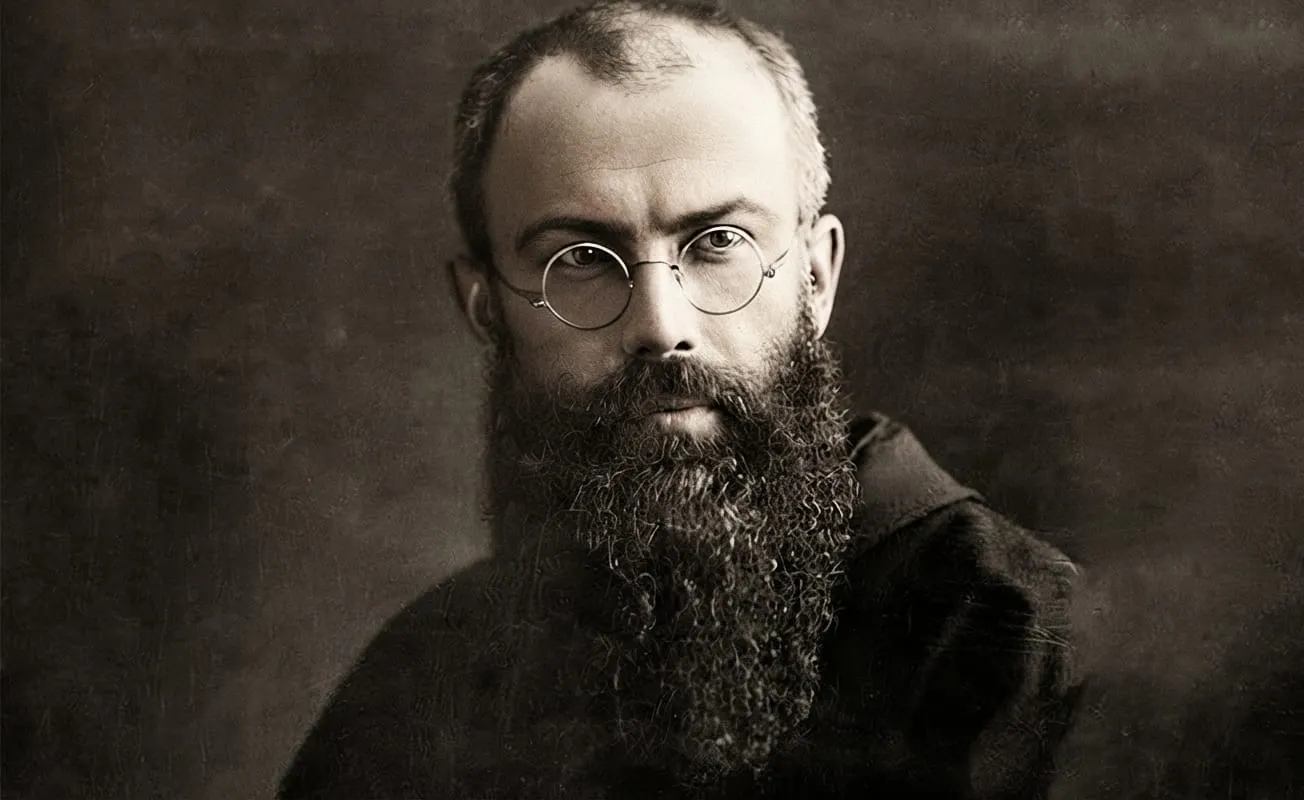
In late July 1941, inside the brutal squalor of Auschwitz, a prisoner escaped. In collective retaliation, the camp commandant selected ten men to die by slow starvation in a subterranean bunker. When one of the chosen, Franciszek Gajowniczek, wept for his wife and children, a middle-aged Polish priest stepped out of line.
Father Maximilian Kolbe approached the commandant, removed his cap, and made a single offer: "I am a Catholic priest. I want to die for him."
The commandant accepted. Ten days later, after sustaining his fellow dying prisoners with prayers and hymns, Kolbe was executed.
To the secular mind, Kolbe’s act was an incomprehensible transaction, a total loss of personal equity for zero tangible return. But for the modern Catholic professional, his sacrifice offers a masterclass in the true meaning of executive leadership, moral clarity, and the radical principle of substitution.
Beyond the Zero-Sum Game
Our modern corporate environment operates largely on zero-sum logic. Performance is weighed on spreadsheets, risk is pushed downward, and human value is too often calculated by output, margin, or position on an organizational chart. Under market pressure or impending layoffs, the instinct for self-preservation frequently trumps solidarity.
Kolbe knew organizational systems intimately. Before his arrest, he was an extraordinary entrepreneur and media pioneer. He built a global publishing network, established a modern printing monastery near Warsaw that housed over 700 friars, and utilized cutting-edge shortwave radio technology to reach millions. He understood logistics, budgets, and operational scale.
Yet, when confronted by a dehumanizing system that treated human lives as disposable units, Kolbe refused to play by the system's rules. He asserted the ultimate truth of Catholic Social Teaching: the human person is never a means to an end.
Ad: Discover the place where Our Lady of Guadalupe appeared to St. Juan Diego. See her image. And join Archbishop José Gómez, Bishop Thomas Olmsted and Bishop Timothy Freyer for The Hour of the Laity 2026 in Mexico City.
The Power of Executive Shielding
While today’s executives do not face physical starvation, they routinely encounter high-stakes environments where moral courage is required. When a high-visibility project fails, corporate restructuring looms, or an aggressive client demands a scapegoat, standard office politics dictate self-preservation. Leaders often step back, allowing junior staff or vulnerable team members to bear the brunt of executive dissatisfaction.
Authentic Catholic leadership demands the exact opposite: radical substitution.
To lead like Kolbe means stepping into the breach to shield those under your authority. This requires taking full accountability for team failures while publicly redirecting praise upward and outward to your team. It means being willing to sacrifice short-term personal prestige, bonuses, or career advancement to protect the livelihoods and fundamental dignity of your staff. Above all, it demands a firm refusal to participate in corporate cultures that treat employees as disposable assets on a balance sheet.
Building the Muscle of Heroic Virtue
Kolbe did not decide to lay down his life on a whim. His martyrdom was the logical conclusion of a lifetime spent practicing micro-sacrifices, like giving up sleep to manage publications, offering his coat to the cold, and spending hours in quiet prayer before the Blessed Sacrament.
Heroic virtue in the boardroom or corner office is built in much the same way. It begins with small, daily decisions to put others first, such as yielding credit during critical meetings, defending absent colleagues against workplace gossip, and generously mentoring junior professionals who can offer nothing in return.
By embedding the principle of substitution into our professional lives, we do more than manage well; we witness to a higher kingdom. In a marketplace often driven by self-interest, the Catholic leader who willingly takes the hit for others proclaims that human dignity transcends the bottom line.
P.S. Join Archbishop José Gómez, Bishop Thomas Olmsted and Bishop Timothy Freyer for The Hour of the Laity 2026 in Mexico City. In the videos bellow you will see what they have to say about THL2026.
Ad: Tepeyac Leadership’s Leadership for the World is a $2 million, three year mission to form lay Catholic leaders for the public square. Without formation, others fill the void. Will you step in or step aside now, when it matters most?