In the modern workplace, difficult conversations are inevitable. Whether you are delivering constructive feedback, addressing a performance issue, or navigating a conflict with a colleague, these moments test our leadership. For the lay Catholic professional, these challenging encounters are not merely administrative hurdles to clear, they are profound opportunities for the sanctification of our daily work.
When we approach difficult conversations with grace and sensitivity, we transform a potentially divisive moment into a masterclass in virtuous leadership. By rooting our communication in charity and professional excellence, we can preserve relationships and build a healthier, more collaborative workplace culture.
Prepare the Heart with Prudence and Prayer
Every successful hard conversation begins long before any words are spoken. In the rush of a busy workday, it is easy to react out of frustration or anxiety. Virtuous leadership, however, demands prudence.
Before scheduling the meeting, take a moment of quiet reflection to examine your own motives. Ask yourself if your primary goal is to be right, or if it is to achieve a constructive, charitable outcome. Cultivating an interior peace first allows you to enter the room as a calming presence, rather than an adversary. When we ground our intentions in the desire for the other person's professional and personal growth, our tone naturally shifts from accusatory to supportive.
See the Dignity in the Other Person
It is easy to reduce a challenging colleague to the problem they represent, but professional grace requires us to recognize the inherent dignity of every individual. This perspective changes how we deliver difficult truths.
Instead of jumping straight into a list of grievances, start by establishing a foundation of mutual respect. Speak the truth, but speak it in love. Avoid using generalizations, and instead focus on specific, objective behaviors. By separating the person from the performance issue, you allow them to hear your feedback without feeling personally attacked. This approach preserves their professional confidence while clearly addressing the areas that require change.
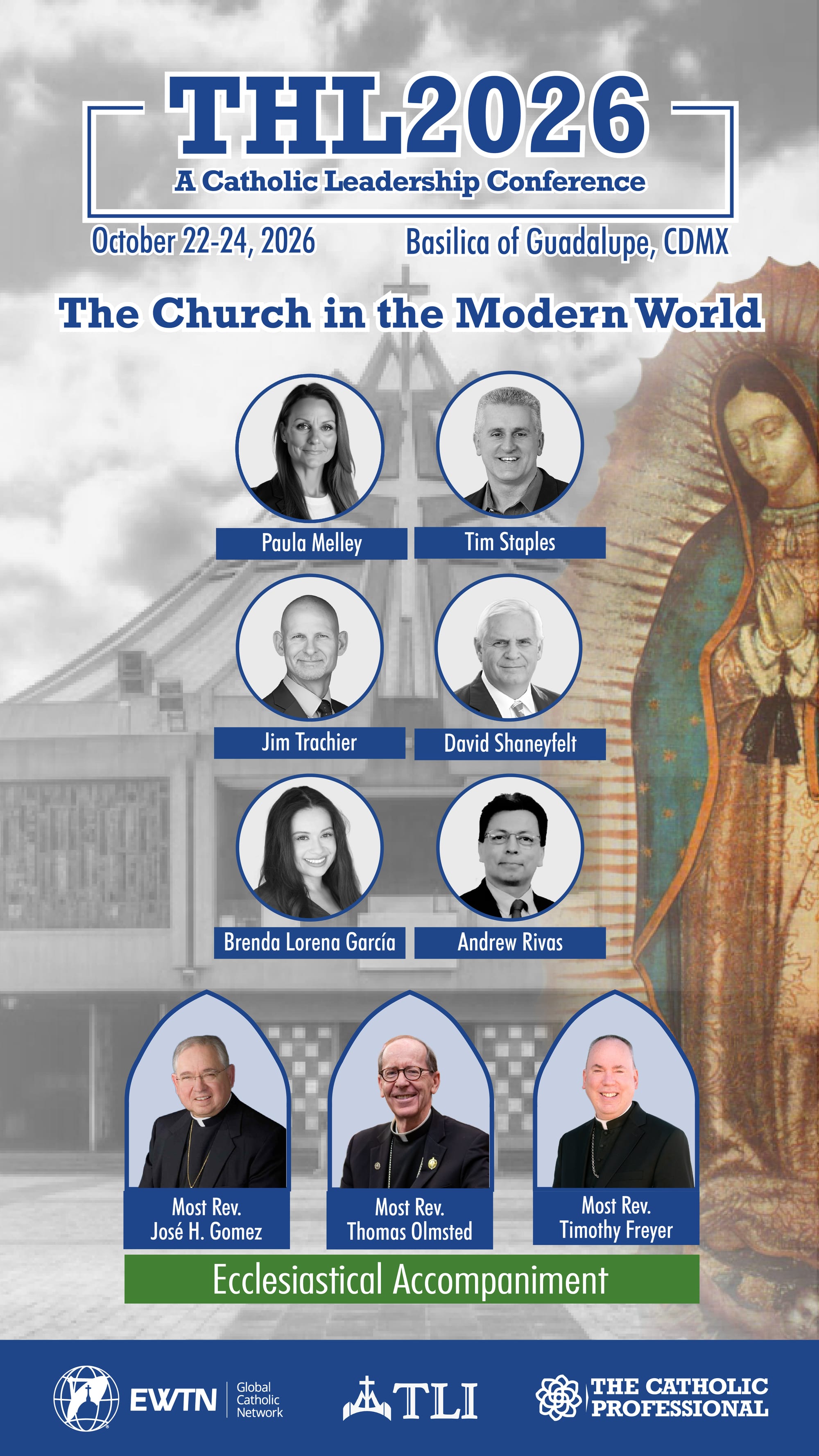
Ad: Discover the place where Our Lady of Guadalupe appeared to St. Juan Diego. See her image. And join Archbishop José Gómez, Bishop Thomas Olmsted and Bishop Timothy Freyer for The Hour of the Laity 2026 in Mexico City.
The Power of Active, Empathetic Listening
Often, we enter difficult conversations armed with a script, focused entirely on what we want to say. True sensitivity, however, requires us to listen more than we speak.
Once you have clearly and calmly stated the issue, invite the other person to share their perspective. Listen without formulating your defense in your head. There may be external stressors, personal struggles, or systemic workplace issues that you are completely unaware of. By giving them the space to explain their side, you demonstrate that you value their voice. Empathetic listening does not mean you have to agree with everything they say, but it shows that you respect them enough to understand their viewpoint.
Collaborate on a Path Forward
A difficult conversation should never end with a list of criticisms, it must conclude with a path of hope. Work with the individual to co-create a clear, actionable plan for improvement. Discuss what resources or support they might need to succeed, and establish realistic benchmarks for progress. This collaborative ending shifts the focus from past mistakes to future potential.
A Quiet Witness to the Gospel
When we handle workplace friction with exceptional grace and sensitivity, we make a powerful, quiet statement about our values. In a professional world that often leans toward cynicism or self-advancement, choosing charity in moments of tension is a beautiful form of lay witness. By elevating our professional communication, we do more than resolve conflicts, we bring Christ into the very heart of the marketplace.
P.S. Join Archbishop José Gómez, Bishop Thomas Olmsted and Bishop Timothy Freyer for The Hour of the Laity 2026 in Mexico City. In the videos bellow you will see what they have to say about THL2026.
Ad: Tepeyac Leadership’s Leadership for the World is a $2 million, three year mission to form lay Catholic leaders for the public square. Without formation, others fill the void. Will you step in or step aside now, when it matters most?