In corporate strategy sessions and executive boardrooms, rejection is often treated as a definitive boundary. A rejected proposal, a denied budget request, or a stalled ethical initiative is routinely met in one of two ways: immediate, quiet retreat or defensive, ego-driven posturing. Professional culture teaches us that a closed door is a sign to move on, or worse, a personal defeat.
Yet, Gospel leadership offers a radically different framework for handling pushback. In Matthew 15:21–28, we witness an encounter that every executive and professional ought to study: the meeting between Jesus and the Canaanite woman.
When the woman approaches Christ begging for the healing of her daughter, her initial request is met with cold silence. The disciples actively urge Jesus to send her away. When Christ finally speaks, His words present a formidable boundary: "I was sent only to the lost sheep of the house of Israel… It is not right to take the children’s bread and toss it to the dogs."
To a modern professional, this scenario bears all the hallmarks of a final, unyielding "no." Yet the Canaanite woman neither takes offense nor walks away. Instead, she reframes the conversation with incredible agility, humility, and trust: "Yes, Lord, yet even the dogs eat the crumbs that fall from their masters’ table."
Her response converts a moment of exclusion into a revelation of extraordinary faith, one that Christ publicly praises before granting her request.
For the Catholic professional operating in competitive marketplace environments, this exchange holds profound lessons on strategic persistence, emotional discipline, and the pursuit of righteous goals.
Discerning the Nature of the "No"
Not all rejection is a dead end; often, it is a test of conviction, clarity, and intent.
When advocating for ethical business practices, advocating for a vulnerable team member, or pushing a strategic initiative that serves the genuine good of the organization, pushback is inevitable. The Canaanite woman’s story reminds us that initial resistance from leadership or stakeholders does not automatically invalidate the righteousness of the cause.
Where others see a closed door, executive faith sees an invitation to demonstrate deeper humility, better preparation, and unshakeable commitment.
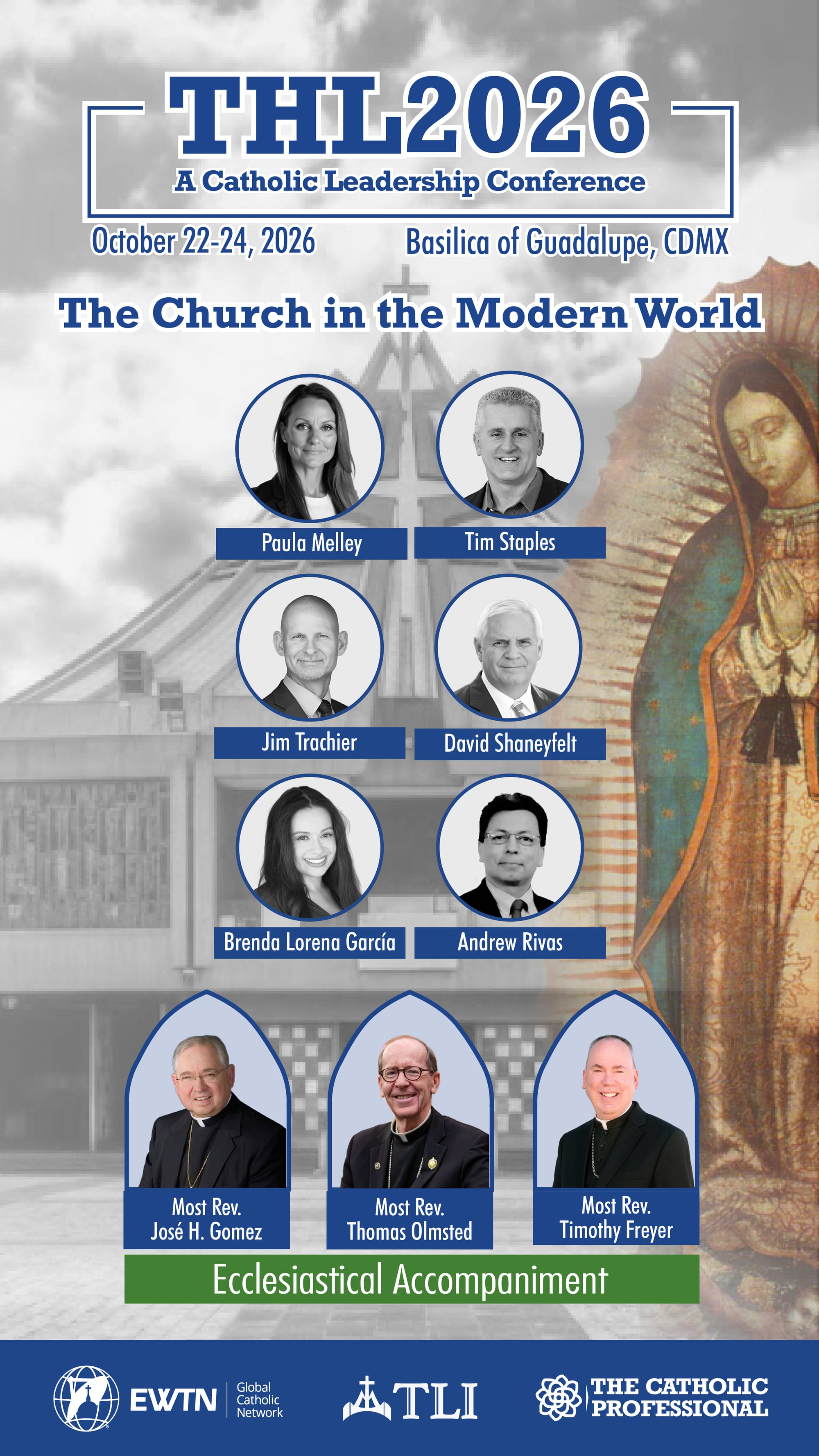
Ad: Discover the place where Our Lady of Guadalupe appeared to St. Juan Diego. See her image. And join Archbishop José Gómez, Bishop Thomas Olmsted and Bishop Timothy Freyer for The Hour of the Laity 2026 in Mexico City.
Stripping Away Ego
The key to the Canaanite woman’s persistence was the total absence of self-centered pride. She did not approach Christ with a posture of entitlement, demanding her rights or listing her qualifications. She appealed entirely to mercy, truth, and the goodness of the Master.
In workplace dynamics, ego is the primary reason good initiatives die after the first objection. When a proposal is turned down, our instinct is often to defend our pride rather than refine the idea.
True Catholic leadership requires separating personal ego from the mission. When you remove "self" from the equation, pushback stops feeling like an attack and begins to look like a puzzle to be solved with grace and intellect.
Strategic Re-engagement: A Framework for Professionals
Before walking away from a stalled initiative or a rejected proposal that serves a noble purpose, take three deliberate steps grounded in this Gospel encounter:
- Audit the Intent: Ensure the initiative is truly ordered toward the common good, justice, or stewardship, rather than personal ambition or territorial vanity.
- Refuse Offense: When met with sharp pushback or administrative silence, choose composure over indignation. Respond to the actual substance of the critique rather than reacting to the tone.
- Reframe with Humility: Re-enter the conversation not by demanding compliance, but by offering a refined, adaptable solution that honors the concerns of those in authority while remaining faithful to the ultimate objective.
As Catholic professionals, our call is not merely to succeed by secular metrics, but to model a persistence that is anchored in hope, wisdom, and quiet strength. When a door closes on an effort that is good and necessary, do not walk away in frustration. Step back, lower your ego, sharpen your perspective, and knock again.
P.S. Join Archbishop José Gómez, Bishop Thomas Olmsted and Bishop Timothy Freyer for The Hour of the Laity 2026 in Mexico City. In the videos bellow you will see what they have to say about THL2026.
Ad: Tepeyac Leadership’s Leadership for the World is a $2 million, three year mission to form lay Catholic leaders for the public square. Without formation, others fill the void. Will you step in or step aside now, when it matters most?