Dear TLI family,
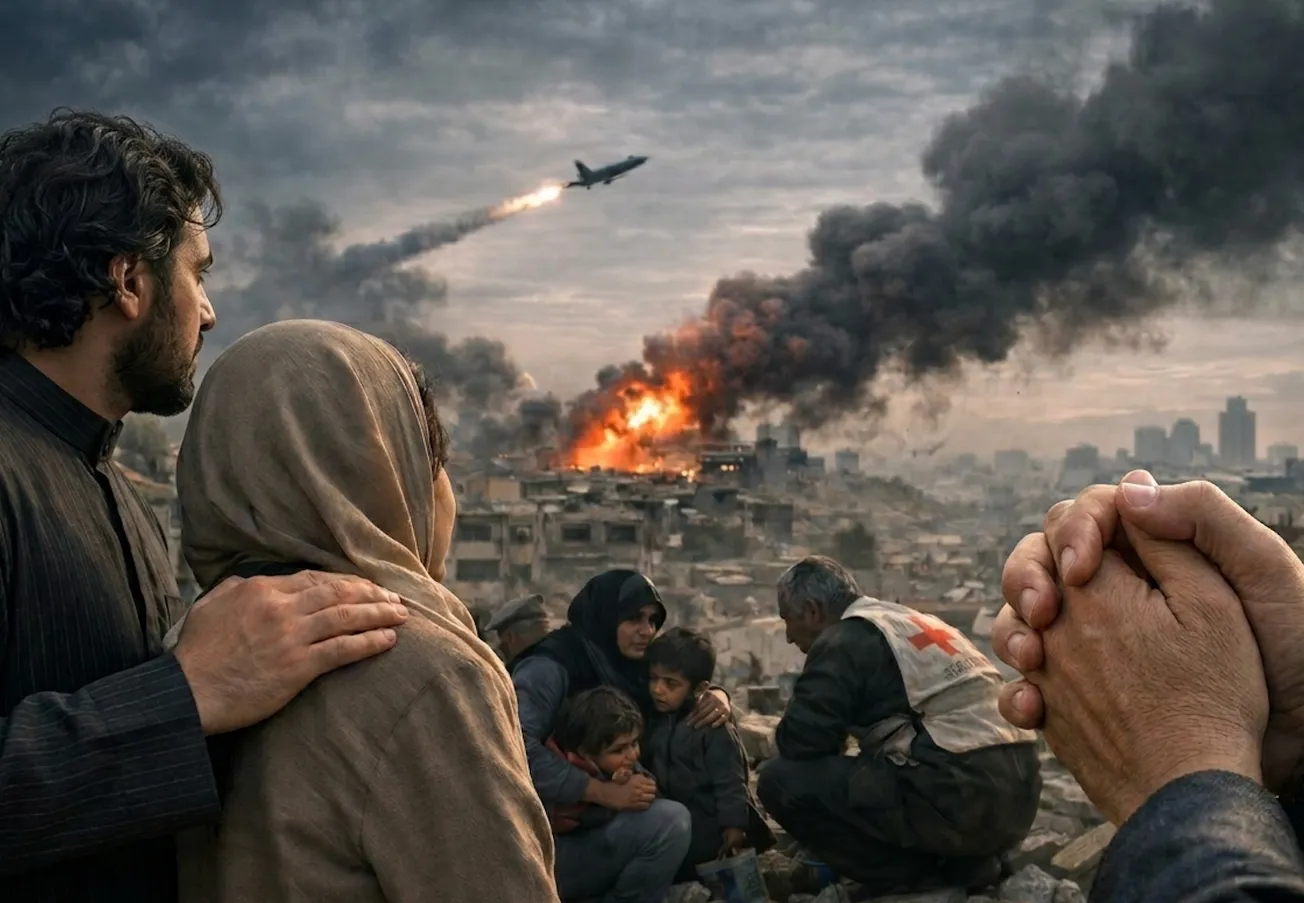
Today’s world feels more turbulent than many of us have seen. Major geopolitical conflict has erupted with escalated military operations across the Middle East, including a U.S. submarine sinking an Iranian naval vessel as hostilities sharply increase between the United States, Israel and Iran. This confrontation now involves missile exchanges, strikes on allied targets and rising civilian impact across several nations. Global energy markets are strained and diplomatic nerves frayed. Western leaders are warning about the regional and global consequences while citizens seek safe evacuation and political leaders scramble to respond.
These headlines remind us that we live in a time of profound human suffering and geopolitical instability. At first glance, such news can feel distant to our daily lives. Yet the call of leadership, especially Christian leadership, compels us to look deeper: to see the faces behind the headlines, to pray for peace, and to act where we can with both truth and charity.
While conflict captures headlines, countless civilians and families are seeking safety and stability in the midst of chaos. Reports indicate that thousands of people are requesting repatriation from conflict zones as airports close and missile strikes increase. These are not abstract statistics, these are human beings caught in forces beyond their control.
As Catholic leaders, we are called first to recognize the dignity of every human life in these circumstances. Each life caught in the crossfire cries out for protection, shelter, and compassionate accompaniment. We stand with those who fear for their children’s safety. We pray for those grieving loss. And we ask God to turn the hearts of leaders toward dialogue and peace.
What does leadership look like amid global crisis? It is not only strategic decision-making. It is the willingness to:
- Pray with intention and perseverance for peace in the world, and for all leaders to be guided by truth and compassion.
- Stand with the vulnerable, especially refugees, families displaced from their homes, and the innocent victims whose lives have been disrupted.
- Promote a culture of life over a culture of conflict, advocating for negotiations and reconciliation even when the path is hard and the temptation to escalate is strong.
- Lead with hope anchored in Christ, because as followers of Jesus we know that even in the darkest nights of the human heart, God’s light is never extinguished.
Leadership grounded in Gospel values refuses to disengage from the world’s suffering. Instead it confronts it with both realism and hope, “Blessed are the peacemakers, for they will be called children of God.”
Even though most of us will not serve in diplomatic councils or negotiate peace treaties, we can still lead from where we are. Here are practical ways we can make a difference in our spheres of influence:
- Pray specifically for peace every day, naming the regions and people affected, especially families and children caught in conflict.
- Support ministries that serve refugees and displaced persons, whether through prayer, volunteering, or financial contributions.
- Encourage compassionate dialogue in your workplaces and communities, promoting understanding rather than fear.
- Use your voice to advocate for humanitarian relief and protection of life, reminding public leaders that every policy decision ultimately affects human families.
Today’s world news is sobering. Yet as disciples and leaders shaped by faith, we are never without hope. We are called to be ambassadors of reconciliation, instruments of Christ’s peace in a world that urgently needs it.
Let us be leaders who don’t simply observe the world’s turbulence. Let us be leaders who bring calm where there is fear, clarity where there is confusion, and compassion where there is suffering.
Let us pray for peace today and every day, trusting that the Lord, whose mercy endures forever, will make of us peace-builders in His name.
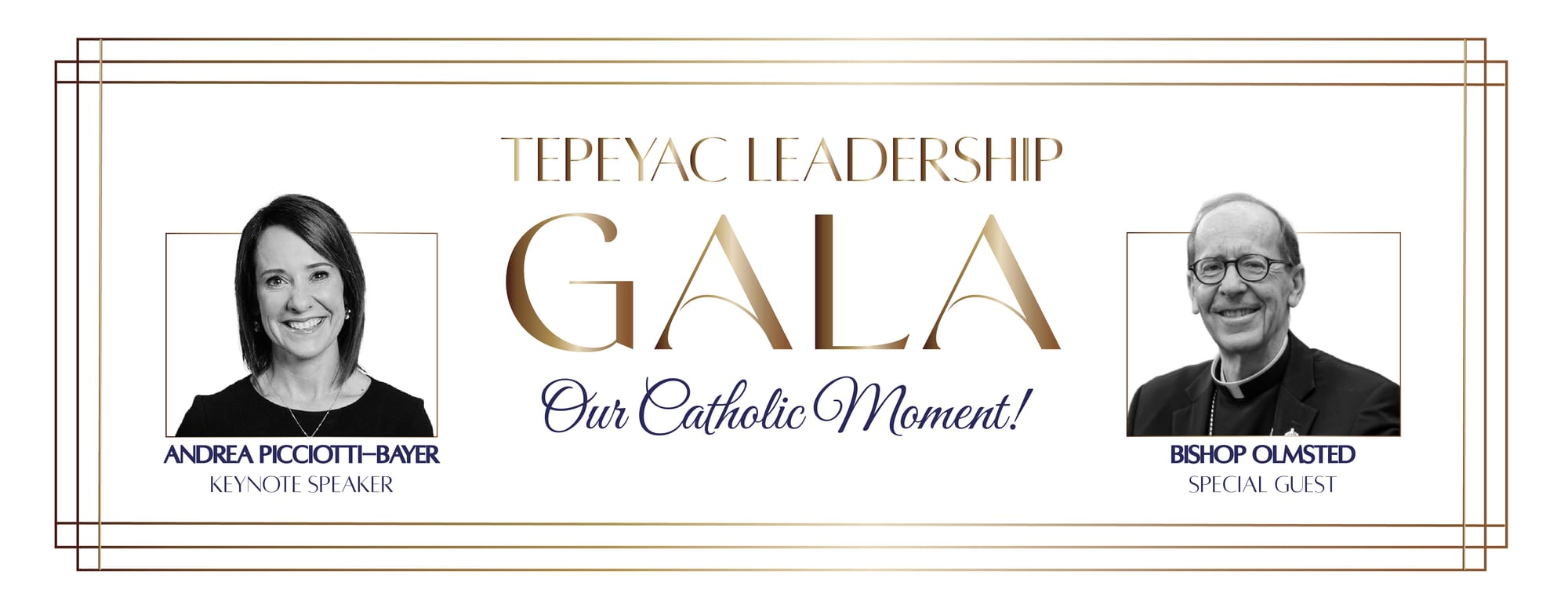
P.S. Last year, as guests arrived at the venue for the Tepeyac Leadership Gala, we asked them a simple but important question. Their answers were thoughtful, candid, and deeply hopeful for the future of our Church and our society. In the video below, you will see a compilation of their responses.