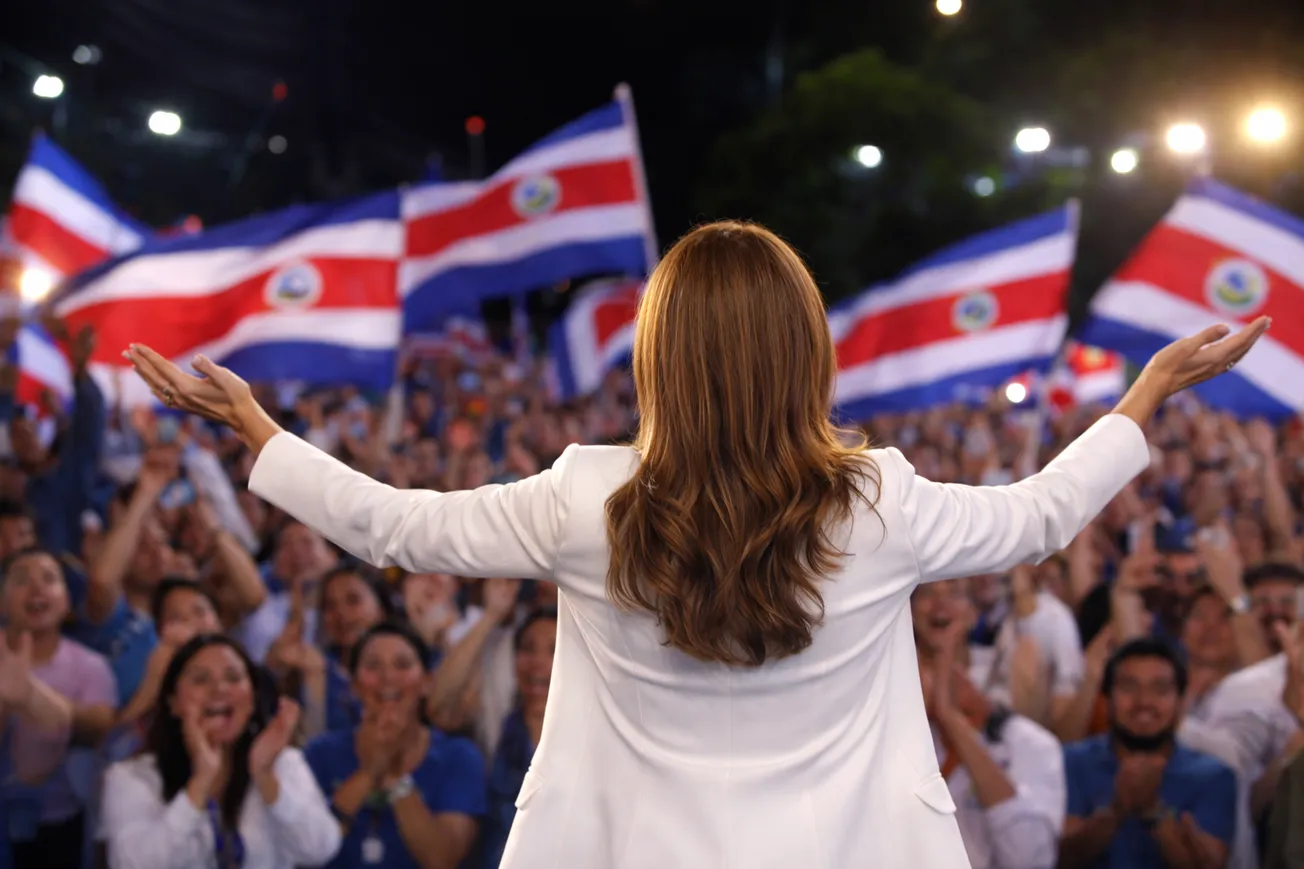
On February 1, 2026, Costa Rica’s voters elected Laura Fernández Delgado as their new president in the first round of voting, marking a historic moment for defenders of life and family in Latin America. Fernández, a faithful Catholic and a committed advocate for the right to life, secured a decisive victory with more than 48 percent of the vote, surpassing the threshold required to avoid a runoff. She will assume office on May 8, 2026, and serve through 2030.
For Catholic professionals who believe that faith and public service can work together for the common good, Fernández’s election carries particular significance. Running as the candidate of the Sovereign People’s Party, she centered her campaign on themes that closely align with Catholic social teaching: the protection of human life, the strengthening of the family, and the defense of human dignity. Her victory reflects a desire among many Costa Ricans for leadership rooted in moral clarity and responsibility.
A Faith That Shapes Public Purpose
Fernández has spoken openly about her Catholic faith, emphasizing that it is not merely cultural but lived. On election day, she attended Mass at the Basilica of Our Lady of the Angels and publicly gave thanks to God and to the people of Costa Rica for the confidence placed in her. For her, faith is not confined to the private sphere but serves as a guiding force in her understanding of public service.
Throughout her campaign and in statements following the election, Fernández reaffirmed her commitment to the sanctity of life from conception to natural death. She has consistently defended legal protections for the unborn and framed this position as a matter of justice for the most vulnerable. For Catholic professionals, this witness offers a concrete example of how moral convictions can be expressed responsibly within democratic institutions.
Continuity With a Pro Life Agenda
Fernández has also expressed support for recent measures taken by the outgoing administration to limit abortion strictly to cases in which the mother’s life is in imminent danger. She has indicated that her government will uphold these legal standards and resist efforts to expand abortion under broader interpretations. Her position reflects a continuity in public policy that prioritizes the defense of life while respecting Costa Rica’s constitutional framework.
Her broader political platform places life and family at the center of national renewal. Fernández has stated that public policies should be evaluated by their impact on families and on the dignity of the human person. This approach resonates strongly with the Church’s teaching that society is built from the family outward and that authentic development must respect moral truth.
A Mandate for Security and the Common Good
In addition to life and family issues, Fernández campaigned on restoring public security amid rising crime and narcotrafficking. Her proposals include strengthening law enforcement, reforming the prison system, and constructing a high security facility to confront organized crime. While these measures are primarily practical in nature, they reflect a concern for the common good and for protecting communities from violence and instability.
From a Catholic perspective, public safety is not opposed to human dignity but serves it. Peace and order are necessary conditions for families to flourish, for work to be dignified, and for social life to remain humane. Fernández’s emphasis on security underscores a broader understanding of leadership as service to the whole person and to society as a whole.
Catholic Witness in Public Life
Following the election, Costa Rica’s bishops acknowledged Fernández’s victory and called for prayer as the nation prepares for a transition in leadership. They encouraged unity, dialogue, and a commitment to the common good, reminding the faithful that political life requires prudence, charity, and courage.
For Catholic professionals, Laura Fernández’s election is a reminder that faith need not be hidden to be effective. Her public witness demonstrates that Catholic convictions about life, family, and dignity can inform leadership in a pluralistic society. At a time when many feel pressure to separate faith from professional responsibility, her example offers encouragement that integrity and public service can, and should, walk together.
P.S. The countdown is on for the 2nd Tepeyac Leadership Gala, secure your tickets today by clicking below!