Each year, on June 29, the Church celebrates the Solemnity of Saints Peter and Paul—two towering figures of Christianity whose witness and leadership laid the foundation of the Church. Though very different in personality, background, and mission, both apostles remind us of what faithful leadership looks like in the face of adversity, uncertainty, and transformation. For lay Catholic professionals, their example offers timeless insights on how to lead with courage, humility, and Gospel conviction in today’s complex world.
Leadership Rooted in Mission, Not Power
Saint Peter, a fisherman by trade, was called by Jesus to become a “fisher of men” and entrusted with the keys of the Kingdom. Saint Paul, once a persecutor of Christians, was radically converted and became the Apostle to the Gentiles. Both men led not for personal gain but out of a deep, sacrificial commitment to the mission of Christ. For Catholic professionals, this is a powerful reminder: authentic leadership begins not with the pursuit of status or control, but with a call to serve and a willingness to sacrifice for a cause greater than oneself.
Whether we work in business, government, education, or the arts, our leadership must be animated by a sense of mission—to bring the values of the Gospel into every sphere of society. The work of our hands can and must be a channel for God's grace in the world.
Strength Through Weakness
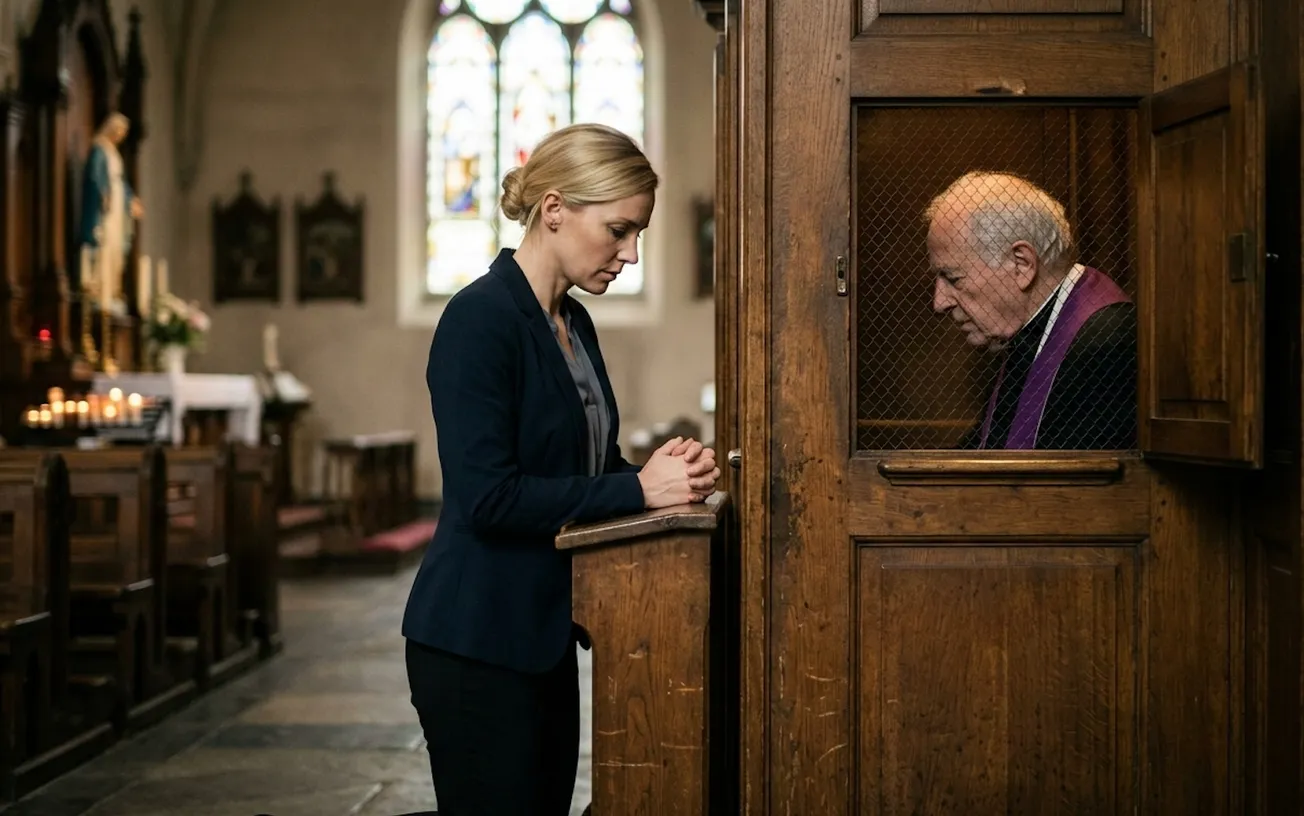
Peter’s impetuousness and Paul’s thorn in the flesh (2 Corinthians 12:7) show us that great leaders are not flawless. Peter denied Christ three times. Paul was once complicit in Christian persecution. But both were transformed by grace and became bold proclaimers of the faith. Their stories remind Catholic professionals that leadership is not about perfection but about surrendering our weakness to God and allowing Him to work through us.
In the workplace, this means being humble enough to admit mistakes, to seek forgiveness, and to constantly grow. It means leading with integrity and transparency, trusting that God can use even our failures for His glory.
Unity in Diversity
Peter and Paul often differed in approach—one was more pastoral, the other more theological; one focused on the Jews, the other on the Gentiles. And yet, the Church venerates them together. Their feast is a testimony to the richness of diverse gifts united in a common mission.
Lay Catholic professionals bring different talents and perspectives to their industries. The example of Peter and Paul calls us to embrace collaboration over competition, and unity over division. Leadership in a Catholic key means building bridges, not silos; it means seeing others not as rivals, but as fellow workers in the vineyard of the Lord.
Courage Until the End
Finally, both Peter and Paul gave their lives for the Gospel. Their martyrdom teaches us that true leadership involves risk. In a culture increasingly indifferent or hostile to faith, Catholic professionals are called to lead with courage—to speak the truth in love, to stand firm in values, and to remain faithful no matter the cost.
As we honor Saints Peter and Paul, may their example inspire us to lead with fidelity, boldness, and unwavering hope. Their legacy is not just the past of the Church—it’s the future, entrusted now to us.
Like what we do? Share this piece, and follow us on Instagram and LinkedIn.