In a world more connected than at any other point in history, loneliness has become one of the most silent and widespread human experiences. Messages arrive instantly, video calls span continents, and entire communities exist online, yet many people still find themselves feeling unseen and unknown. The paradox is striking. We are constantly in contact, but not always in communion. For Catholic professionals navigating demanding careers, this tension can become especially pronounced, as productivity often replaces presence, and communication replaces true encounter.
The Illusion of Constant Connection
Digital tools promise closeness, but they often deliver only proximity without depth. A stream of notifications can create the impression of relationship while quietly replacing sustained attention. Many professionals move from meeting to meeting, from message to message, rarely pausing long enough to truly listen or be listened to. Over time, the heart begins to adapt to this rhythm, expecting speed rather than depth, exchange rather than encounter.
This environment can subtly reshape how we understand relationships. Instead of forming bonds rooted in shared life, patience, and presence, we begin to measure connection by responsiveness and visibility. Yet the human person is not fulfilled by visibility alone. We are made for communion, for relationships that endure silence, complexity, and time. Without this depth, even a crowded digital life can leave a person inwardly isolated.
The Spiritual Cost of Fragmented Attention
The constant movement between screens, tasks, and conversations fragments attention. What once allowed for reflection and interior silence becomes increasingly rare. Yet silence is where the human heart often recognizes its deepest needs. Without it, we risk losing awareness of our interior life, including our longing for God and for authentic human friendship.
For Catholic professionals, this fragmentation can subtly affect prayer, discernment, and even moral clarity. When attention is continually divided, it becomes harder to notice the movements of grace in ordinary moments. Relationships may also suffer, as conversations are interrupted or rushed, and the patience required for deep listening diminishes.
The result is not only fatigue, but a quiet spiritual disorientation. One can be surrounded by communication and still feel distant from others and from oneself. In this sense, loneliness is not merely the absence of people, but the absence of sustained presence.
Rediscovering Communion in Everyday Life
The remedy is not rejection of technology, but a renewed commitment to intentional presence. Human connection grows when we choose to slow down and give others the gift of undivided attention. A simple conversation without interruption, a shared meal without distraction, or a moment of listening without response can become acts of quiet restoration.
For believers, this renewal is deeply connected to the Christian understanding of communion. We are not isolated individuals, but members of one body, called to love that is concrete and attentive. Christ himself often withdrew from crowds to pray, yet he never failed to truly see the person before him. His way of relating offers a model for navigating a world filled with distraction.
Professionally, this may mean setting boundaries around communication, creating space for silence in the day, and choosing depth over speed when possible. Personally, it may mean rediscovering friendships that are not maintained by frequency alone, but by sincerity and trust.
Recovering Human Connection
Loneliness in the digital age is not inevitable. It is a sign that the human heart still longs for something more substantial than constant exchange. When we begin to value presence over performance and listening over reaction, relationships begin to regain their depth.
Ultimately, the answer is not found in less connection, but in better connection. A life shaped by attention, patience, and genuine care becomes a witness to something countercultural in today’s world. In that witness, the lonely spaces of the digital age can slowly be transformed into places of true encounter, where the human heart is once again known and accompanied.
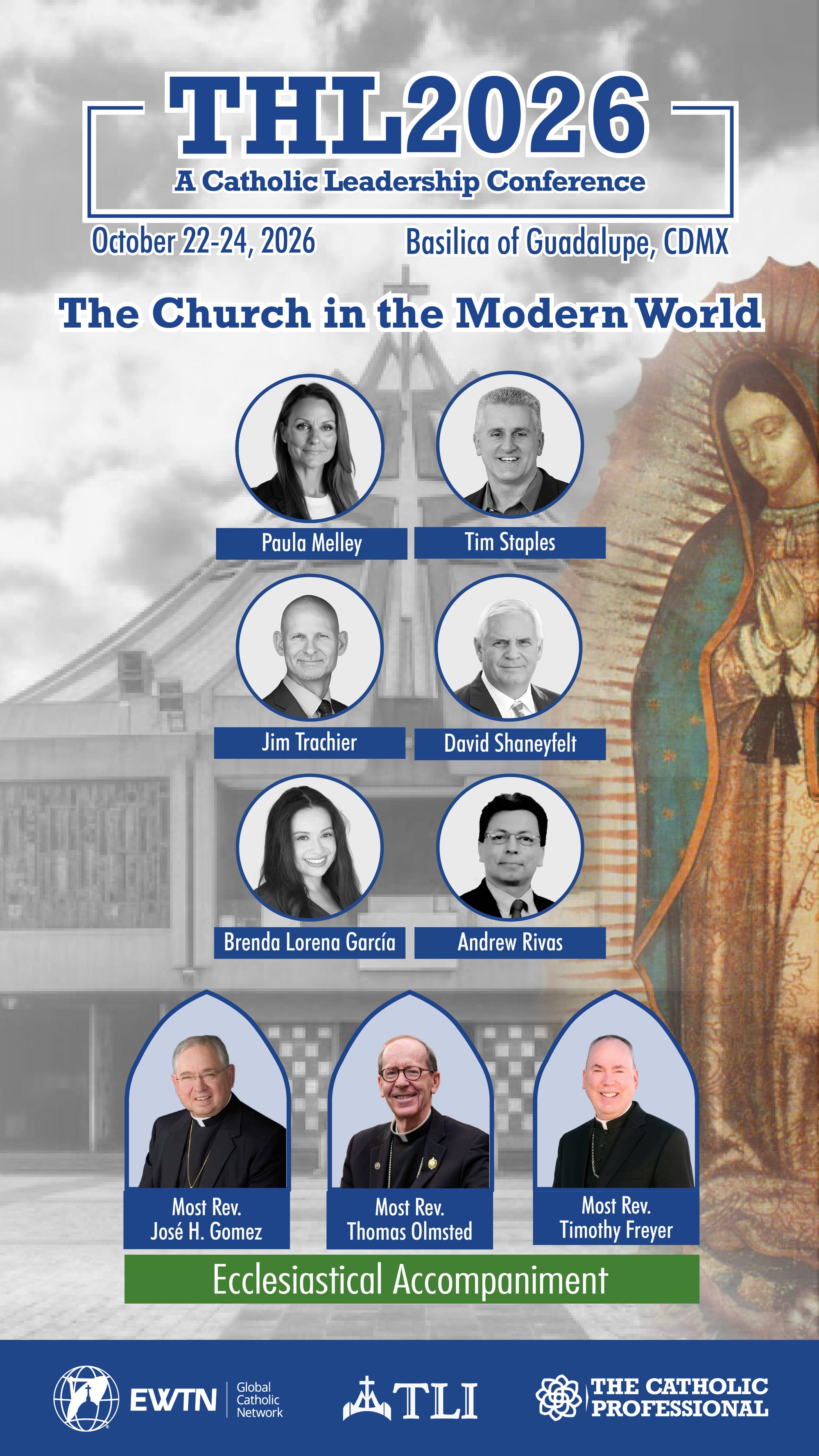
P.S. Discover the place where Our Lady of Guadalupe appeared to St. Juan Diego. See her image. And join Archbishop José Gómez, Bishop Thomas Olmsted and Bishop Timothy Freyer for The Hour of the Laity 2026 in Mexico City.