Table of Contents
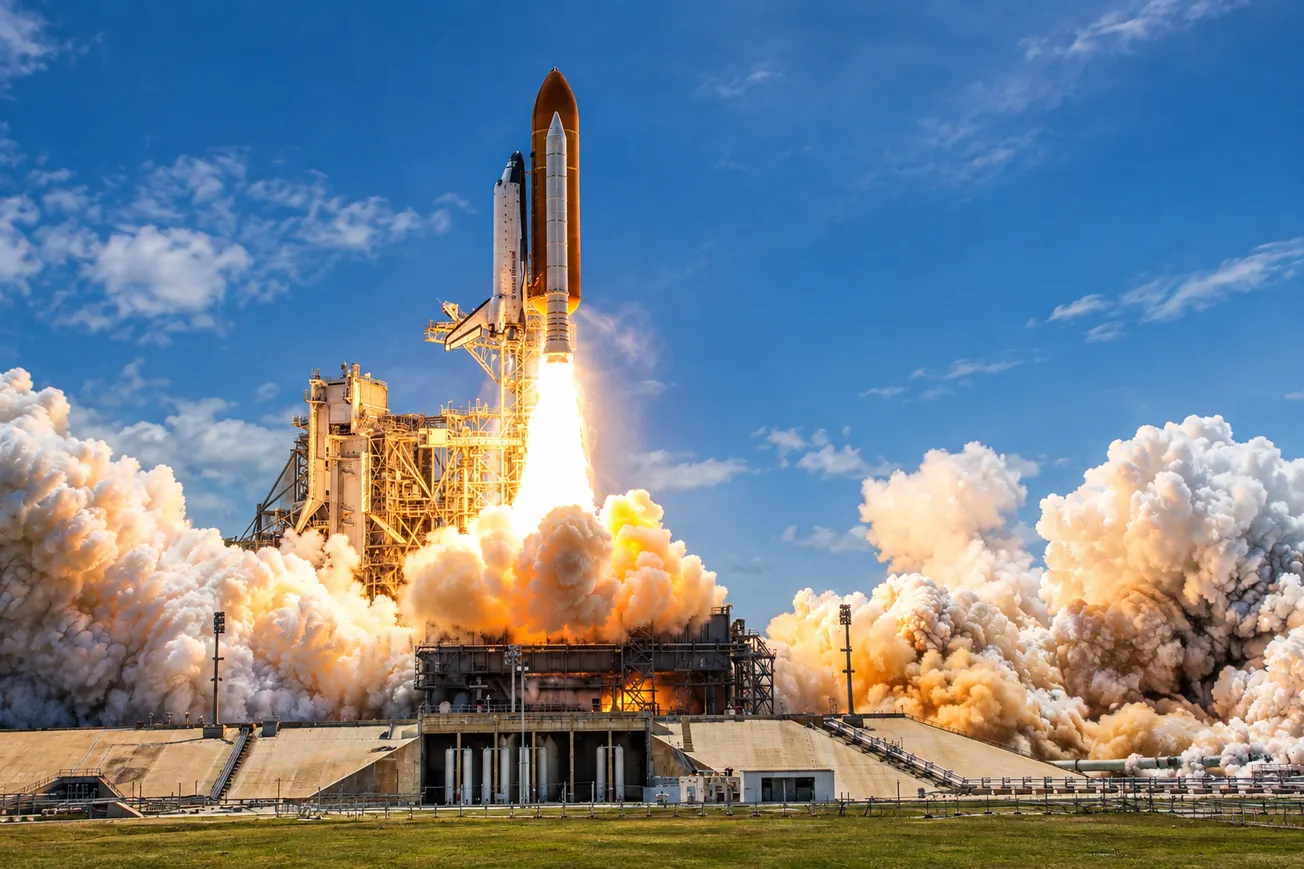
At just 21 miles wide at its narrowest point, the Strait of Hormuz handles roughly a fifth of the world’s petroleum consumption. When military tensions or naval disruptions flare in this narrow corridor, the global economic ripple effects are immediate: crude oil prices surge, shipping insurance premiums skyrocket, and global supply chains brace for impact.
For executives, managers, and business owners, watching news of geopolitical conflict can easily trigger a familiar reaction: financial anxiety and reactive strategy. However, as Catholic professionals operating at the intersection of career excellence and Christian virtue, international crises should invite a deeper, more intentional reflection.
Prudence Over Panic in Decision-Making
The virtue of prudence, what St. Thomas Aquinas called "right reason applied to action," is often the first casualty of breaking news. When energy prices swing or logistical costs rise, the natural temptation is to make impulsive operational cuts or pivot strategies out of fear.
Virtuous leadership requires cultivating an interior stillness that permits clear-headed analysis. Prudence calls us to prepare for macroeconomic disruption without surrendering to panic. It asks: How can we build organizational resilience that honors our commitments to our employees, customers, and communities, rather than reacting reflexively to daily headlines?
A Masterclass in Global Interdependence and Solidarity
The vulnerability of a single maritime chokepoint exposes a fundamental reality of modern life: our global economy is deeply interconnected. An energy shock originating thousands of miles away directly impacts the cost of commuting for frontline workers, the cost of raw materials for small businesses, and the operating budgets of local charities.
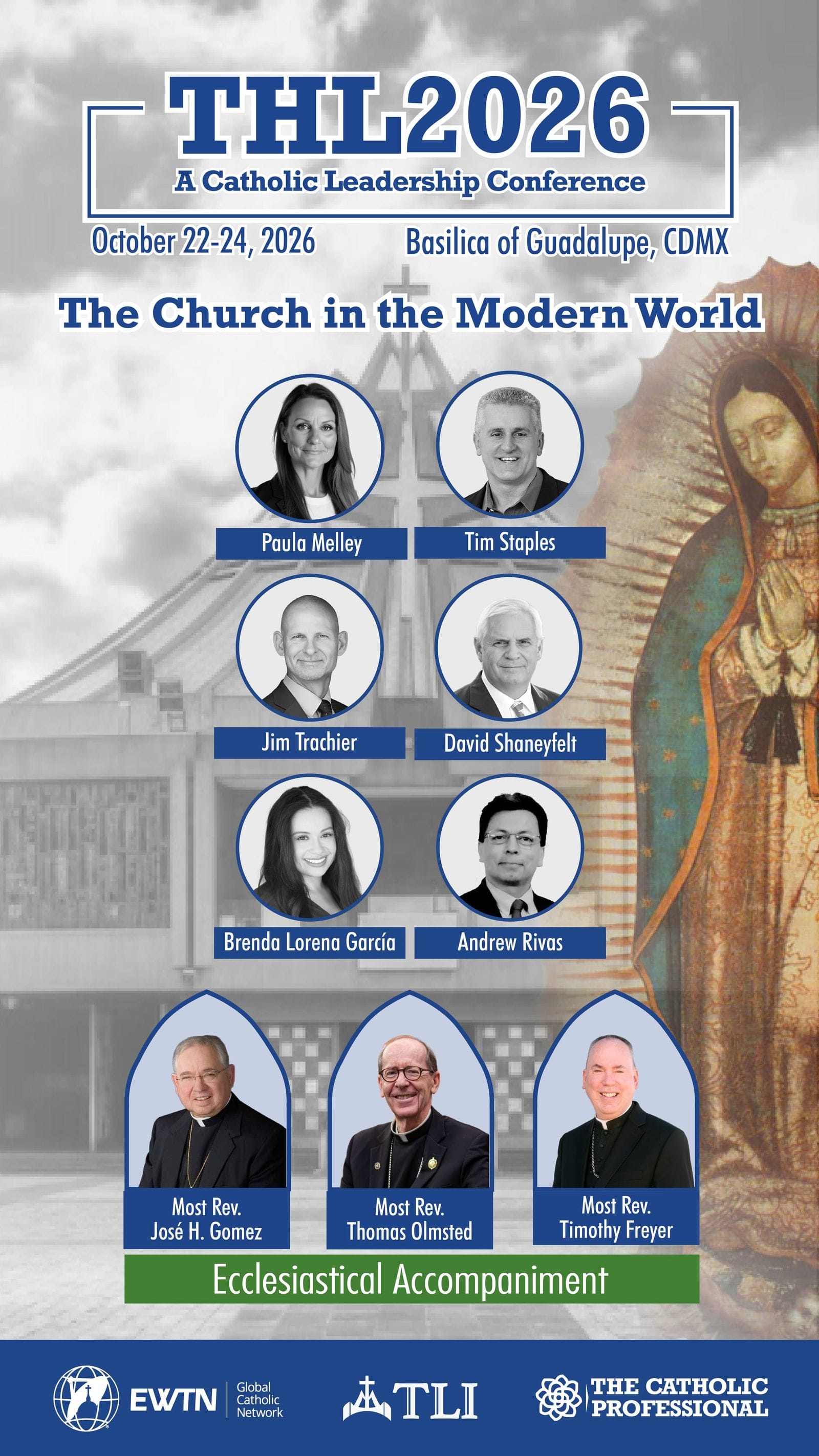
Ad: Discover the place where Our Lady of Guadalupe appeared to St. Juan Diego. See her image. And join Archbishop José Gómez, Bishop Thomas Olmsted and Bishop Timothy Freyer for The Hour of the Laity 2026 in Mexico City.
In Catholic Social Teaching, this economic reality mirrors the principle of solidarity. As lay leaders in the marketplace, we cannot view geopolitical crises merely as abstract line item adjustments. We must consider the human impact of rising costs, especially on the most vulnerable members of our workforce. When economic headwinds pick up, authentic Christian leadership asks how we can absorb burdens rather than immediately passing them down to those least able to bear them.
Building an Interior Sanctuary Amid Market Noise
When world events feel unpredictable, where do we place our security? It is easy to anchor our peace of mind in stable market forecasts, predictable quarterly earnings, or geopolitical calm. Yet these are inherently temporary foundations.
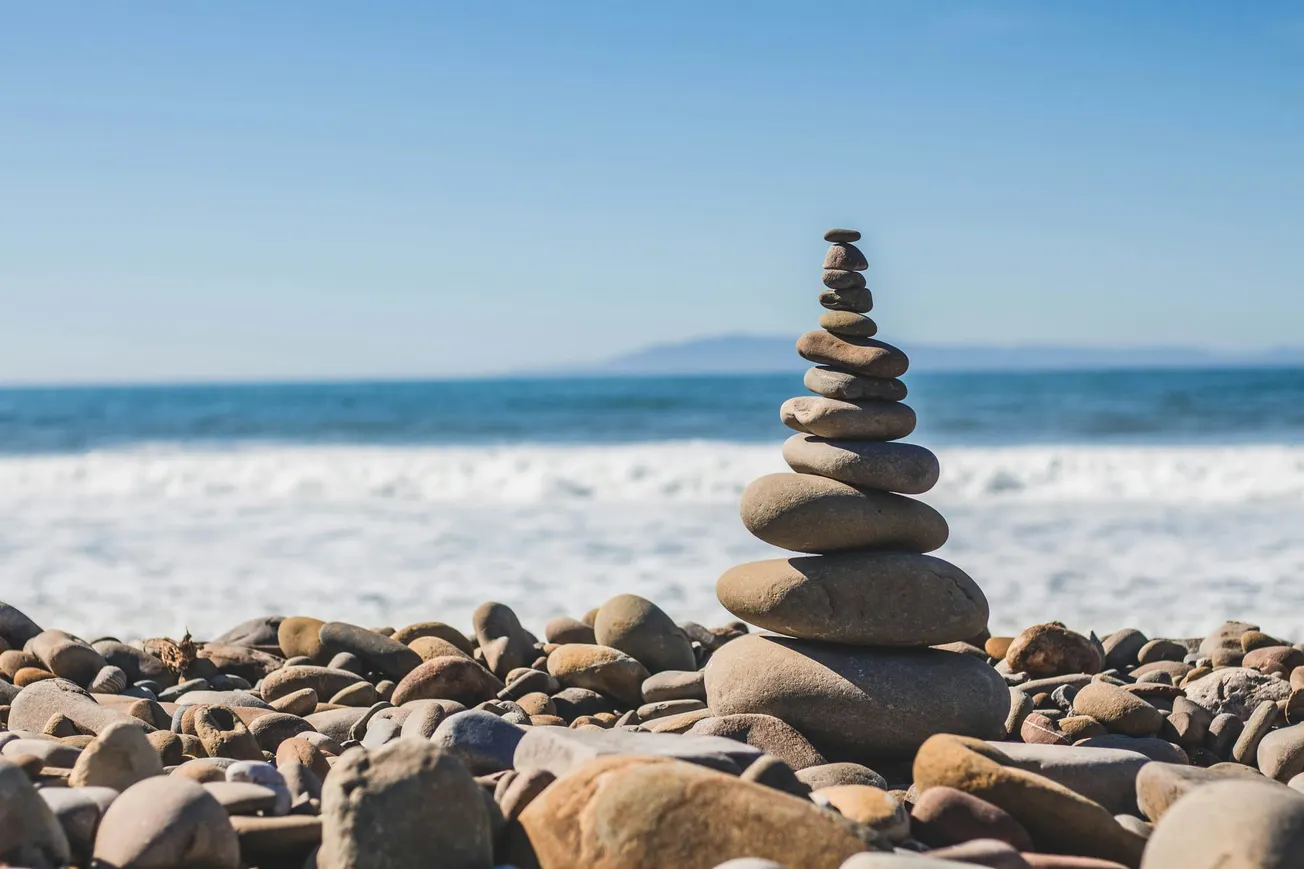
Saint Josemaría Escrivá often emphasized that our everyday professional responsibilities are the exact setting where God calls us to grow in sanctity. When news feeds flood our devices with global instability, Catholic professionals are challenged to build an "interior sanctuary," a daily habit of prayer, reflection, and sacramental grace that keeps our vision anchored in Divine Providence.
"When professional networks or global crises invite us to compromise our calm, we must remember where our real alignment lies."
Leading with Mission in Unsteady Times
The conflict in the Strait of Hormuz is a stark reminder that human systems and market structures are fragile. Yet, as professionals called to sanctify the workplace, our primary mission remains unchanged. By exercising prudence in management, practicing solidarity with our teams, and anchoring our interior peace in Christ, we turn global uncertainty into an opportunity for authentic, virtuous leadership.
P.S. Join Archbishop José Gómez, Bishop Thomas Olmsted and Bishop Timothy Freyer for The Hour of the Laity 2026 in Mexico City. In the videos bellow you will see what they have to say about THL2026.
Ad: Tepeyac Leadership’s Leadership for the World is a $2 million, three year mission to form lay Catholic leaders for the public square. Without formation, others fill the void. Will you step in or step aside now, when it matters most?