When we envision holiness, our minds often jump to monasteries, desert hermits, or cathedral pulpits. Yet the universal call to holiness extends directly onto the trading floor, into the executive boardroom, and across every corporate office. On All Saints' Day, the Church honors not only monks and martyrs, but also the vast cloud of witnesses who pursued sanctity while balancing ledgers, managing operations, and navigating the complexities of the marketplace.
Far from being a barrier to spiritual life, professional commerce has served as the proving ground for remarkable saints. By examining how these laymen and laywomen integrated profit with principle, modern leaders can find a proven blueprint for ethical leadership and daily sanctification.
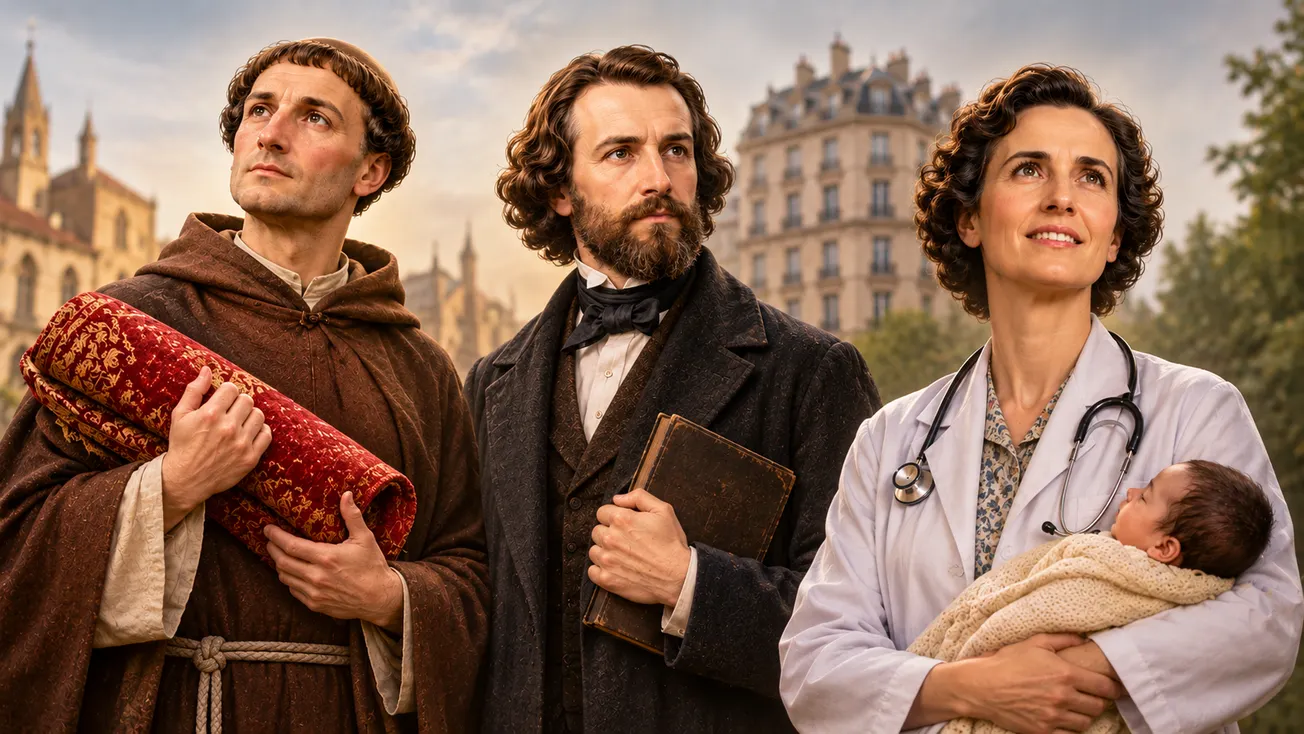
St. Homobonus: Scrupulous Honesty and Economic Justice
In twelfth-century Cremona, Italy, Homobonus Tucingo inherited a prosperous merchant business dealing in textiles and grain. In an era when commercial expansion often invited greed and exploitation, Homobonus approached commerce as a divine stewardship.
He gained a widespread reputation for scrupulous honesty in every transaction. Homobonus refused to artificially inflate prices during shortages or compromise product quality for higher margins. Instead, he treated profits not as personal spoils, but as resources entrusted to him for the common good. His business success directly funded local poorhouses, hospitals, and community welfare.
For today’s executive, St. Homobonus, the patron saint of business leaders, offers a clear lesson: market success gains true value only when rooted in absolute integrity and ordered toward the service of others.
Blessed Antoine-Frédéric Ozanam: Intellectual Rigor and Market Ethics
Centuries later in nineteenth-century Paris, Blessed Antoine-Frédéric Ozanam navigated the rapid social and economic upheaval of the Industrial Revolution. As a university professor, lawyer, and founder of the Society of St. Vincent de Paul, Ozanam engaged deeply with emerging economic systems.
Ozanam argued forcefully that economic relationships must never be stripped of moral obligations. He warned against treating labor as a mere commodity, advocating instead for fair wages, safe working conditions, and the moral duty of employers to respect worker dignity. Ozanam demonstrated that rigorous professional competence and passionate advocacy for social justice are complementary virtues.
For modern managers, his witness challenges us to look beyond short-term metrics and evaluate how our operational decisions impact human lives.
Ad: Advance your career and deepen your faith with the Tepeyac Leadership Initiative, an 18-week leadership development program designed to elevate your professional trajectory while strengthening your relationship with Christ. Gain the vision, skills, and network needed to lead effectively in today’s world. Visit to learn more and submit your application for admission by November 10.
St. Gianna Beretta Molla: Professional Excellence and Moral Courage
A twentieth-century physician, surgeon, and mother, St. Gianna Beretta Molla balanced a demanding medical practice in Italy with family life and deep spiritual devotion.
Gianna viewed her profession as an active apostolate. She approached her patients, especially the poor and vulnerable, with profound compassion and clinical excellence. When faced with a life-threatening medical decision during her own pregnancy, she remained steadfast in her ethical convictions, placing the life of her unborn child above her own safety.
Her life proves that professional dedication and heroic virtue belong in the same sentence, showing how career competence can become a radiant instrument of grace.
A Legacy for the Modern Office
These saints of commerce remind us that secular work is not a distraction from a holy life; it is the primary arena where lay Catholics work out their salvation.
By delivering excellence in our fields, treating employees and clients with unwavering respect, and maintaining uncompromising ethical standards, we honor the legacy of those who sanctified the marketplace before us. As we mark All Saints' Day, let us ask for their intercession, transforming our daily professional obligations into enduring acts of faith.
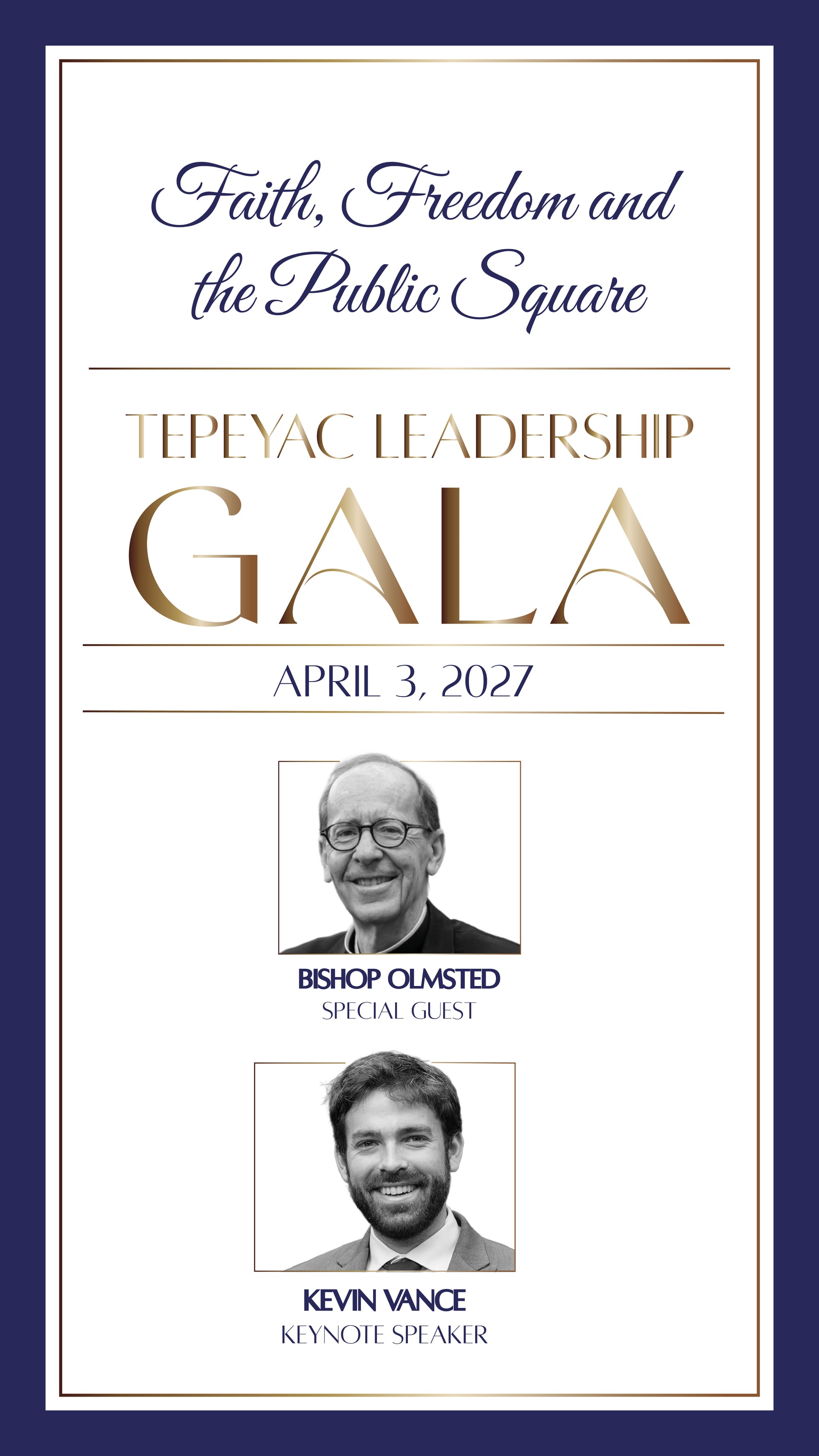
P.S. By joining us at the Tepeyac Leadership Gala, you directly invest in forming the next generation of lay Catholic leaders for civil society. This elegant evening is vital to funding our mission, and your presence ensures we can continue empowering faithful leaders to transform our culture. Reserve your seat today to support this transformative work.
Ad: Tepeyac Leadership’s Leadership for the World is a $2 million, three year mission to form lay Catholic leaders for the public square. Without formation, others fill the void. Will you step in or step aside now, when it matters most?