
Catholic businesses, workplaces, and ministry centers are, by design, places of open door hospitality. They are environments where employees, clients, and community members come together to work, seek service, and experience the living values of our faith. Yet as recent headlines painfully remind us, most recently with a violent assault targeting a historic church in Karak, Jordan, faith-aligned organizations and institutions operate in an increasingly volatile world.
For Catholic executives, facility managers, business owners, and ministry leaders, this tension raises a critical operational and moral question: how do we fulfill our Christian calling to offer authentic warmth and open doors while exercising responsible stewardship over the people and assets entrusted to our care?
The answer lies in viewing security not as an obstacle to gospel living, but as an expression of love, prudence, and professional stewardship.
The Moral Imperative of Security
In Catholic social thought, leaders hold a profound duty of care toward their employees, clients, visitors, and community members. Prudence, one of the cardinal virtues, demands that we anticipate risks and take reasonable measures to protect human life. Leaving a corporate office, storefront, or parish facility completely unmonitored without a thought for physical safety is not an act of faith; it is a neglect of executive leadership.
Security strategy for Catholic institutions and businesses requires a multi-layered approach that integrates physical safety measures into the rhythm of daily operations without making our commercial or ministerial spaces feel like fortresses.
The Power of "Informed Hospitality"
The first and most effective line of defense is not an armed guard or a biometric lock; it is a warm, attentive welcome.
Training receptionists, retail clerks, front-desk staff, and greeters in active hospitality doubles as situational awareness. A well-trained team member who acknowledges every person entering the building creates a culture of attentiveness. Potential perpetrators thrive on anonymity; a greeting that says, "Good morning, welcome! How can I help you today?" subtly signals that people inside are alert and engaged.
Ad: Advance your career and deepen your faith with the Tepeyac Leadership Initiative, an 18-week leadership development program designed to elevate your professional trajectory while strengthening your relationship with Christ. Gain the vision, skills, and network needed to lead effectively in today’s world. Visit to learn more and submit your application for admission by November 10.

Proactive Risk Assessments & Access Control
Catholic business leaders and facilities managers should regularly conduct professional risk assessments tailored to their operational footprint.
This involves evaluating critical access points by establishing clear visitor management protocols and badge access so that administrative offices, back-of-house areas, or sensitive facilities remain secure while maintaining welcoming public areas.
It also requires establishing clear emergency communications so that every manager, staff member, and team lead knows how to trigger a silent alarm, contact emergency responders, and execute an evacuation or lockdown protocol. Finally, leaders must evaluate personnel safety by conducting thorough background checks and implementing safe environment protocols for all staff, contractors, and volunteers.
Fostering Relationships with Local Law Enforcement
Business owners and institutional leaders should actively cultivate relationships with local police, fire departments, and emergency services. Inviting local first responders to walk through your commercial facility, school, or parish campus allows them to familiarize themselves with the layout, identify potential vulnerabilities, and build trust long before a crisis occurs.
Leading with Courage, Not Fear
Building a secure environment is not about succumbing to fear or shutting out the world. As St. John Paul II frequently reminded us, "Do not be afraid."
By applying modern professional risk management, clear protocol design, and proactive leadership, Catholic professionals can safeguard the workplaces and institutions where faith and business meet. In doing so, we preserve our organizations as true sanctuaries, places where the faithful can work, gather, and serve in safety and peace.
P.S. By joining us at the Tepeyac Leadership Gala, you directly invest in forming the next generation of lay Catholic leaders for civil society. This elegant evening is vital to funding our mission, and your presence ensures we can continue empowering faithful leaders to transform our culture. Reserve your seat today to support this transformative work.
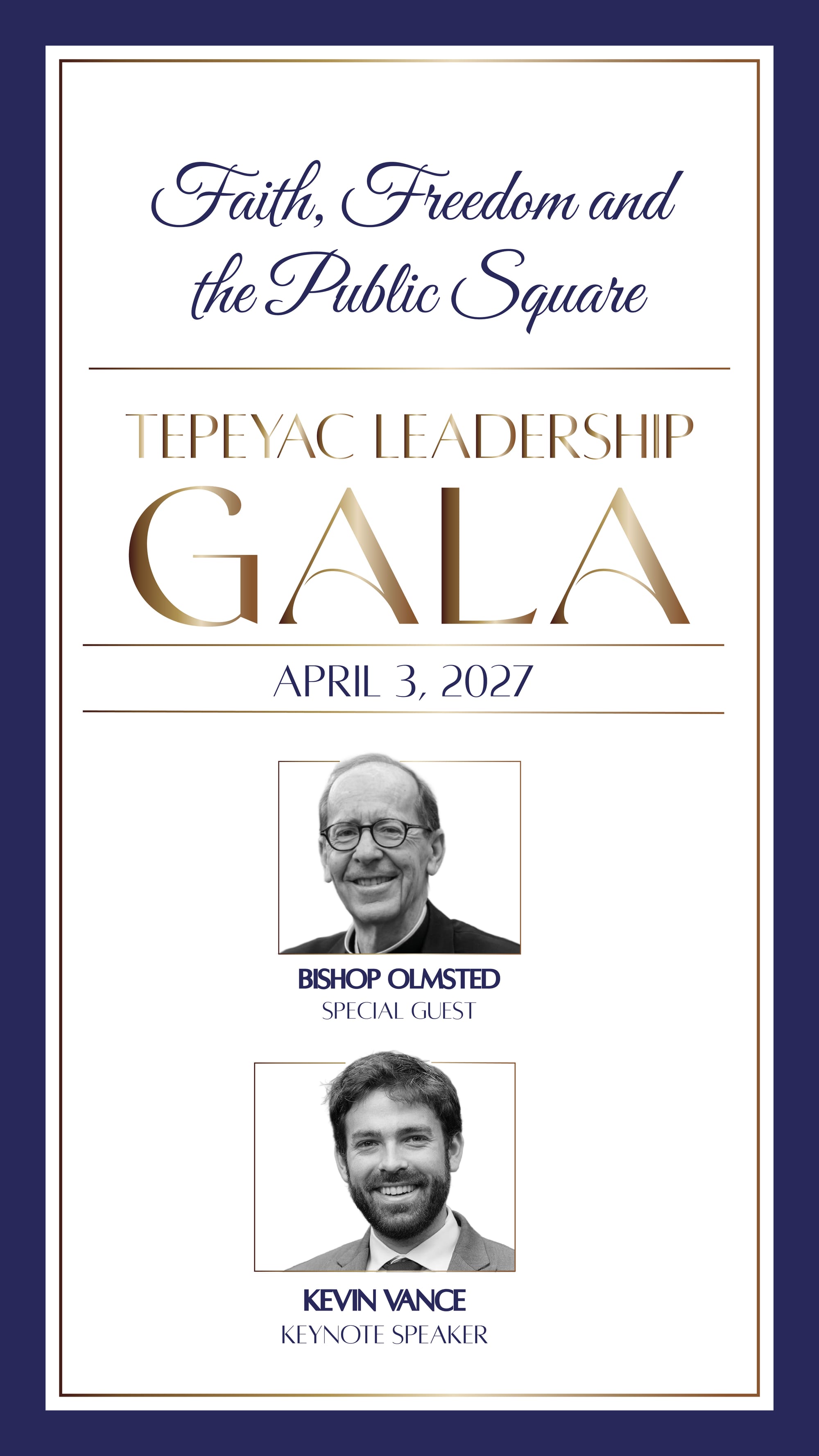
Ad: Tepeyac Leadership’s Leadership for the World is a $2 million, three year mission to form lay Catholic leaders for the public square. Without formation, others fill the void. Will you step in or step aside now, when it matters most?