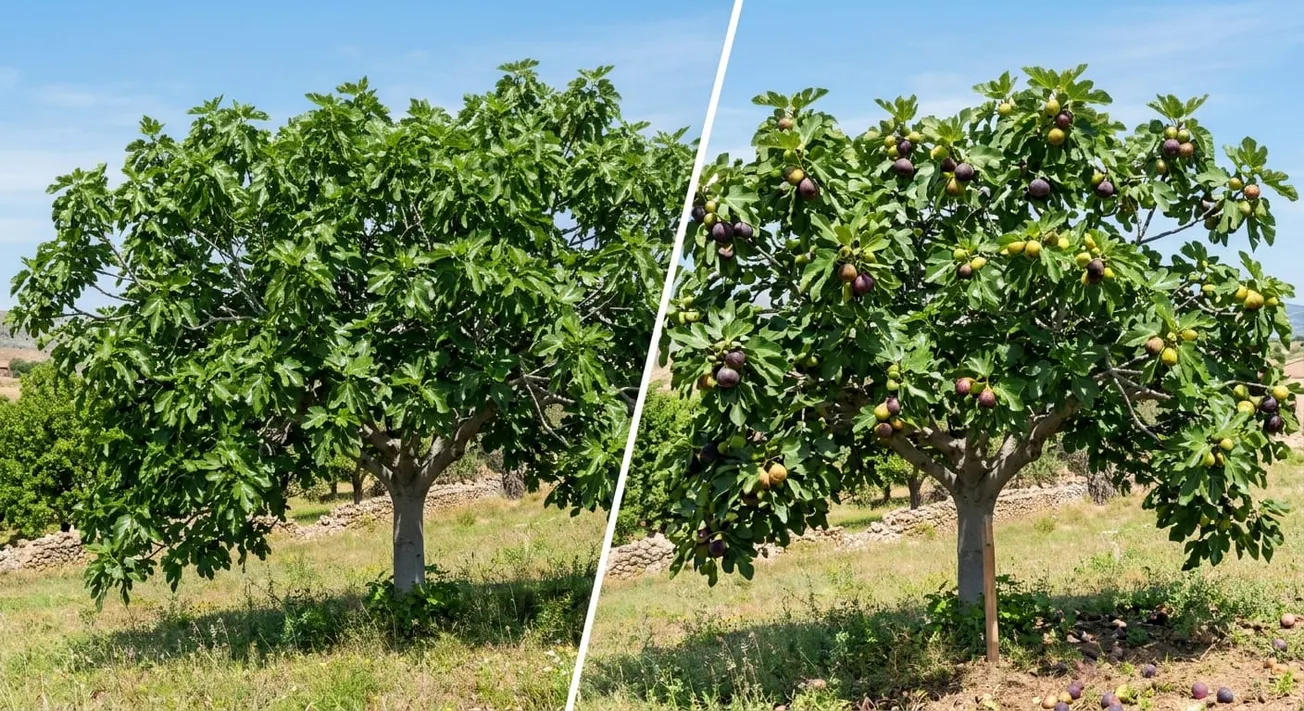
In the corporate world, appearances can be surprisingly deceiving. An organization might look like the picture of health, with bustling hallways, full calendars, polished presentations, and energetic meeting updates, while standing completely still at its core.
Scripture gives us a vivid picture of this exact scenario in the story of the fig tree. From a distance, a tree covered in lush, green leaves looks healthy, strong, and full of life. But when you get up close, all those thick leaves hide a major problem: there isn't a single piece of fruit on its branches.
For Catholic leaders and executives, this Gospel story offers a powerful reality check. It invites us to stop and ask an honest question about how we lead: Are we building something of real substance, or are we just keeping up appearances?
The Trap of "Leafy" Leadership
It is easy for modern workplace culture to reward the look of hard work instead of real achievement. We tend to applaud back-to-back schedules, late-night emails, and an endless stream of meetings. But just like dense leaves on a barren tree, non-stop activity can hide a real lack of meaningful progress.
When leadership gets wrapped up in surface-level wins, like vanity projects, flashy PR, and initiatives designed mostly for show, the organization falls into a trap. The leaves look impressive, but the real mission goes unfulfilled.
This kind of performative leadership usually shows up as endless, low-impact meetings, optics-driven initiatives, and a grind that leaves people burned out. Authentic leadership takes a different path. It stays focused on what truly matters, treats people with dignity, and cares for the organization in a way that is steady, thoughtful, and built to last.
Catholic social teaching reminds us that work should honor human dignity and serve others, not just polish a brand or keep the corporate wheels spinning. True leadership takes the courage to look past the busyness and ask: What are we actually producing?
Cultivating Fruit in the Workplace
Moving from surface-level busyness to real results takes intention. It means shifting from just watching things happen to actively helping good things grow.
1. Separate Busyness from Real Impact
Staying busy isn't the same as doing meaningful work. Wise leaders step back and look at what their teams are really accomplishing. Are we growing talent, holding ourselves to high standards, and creating real value, or are we just making noise? Real fruit feeds people; leaves just create shade.
Ad: Advance your career and deepen your faith with the Tepeyac Leadership Initiative, an 18-week leadership development program designed to elevate your professional trajectory while strengthening your relationship with Christ. Gain the vision, skills, and network needed to lead effectively in today’s world. Visit to learn more and submit your application for admission by November 10.

2. Have the Courage to Prune
To bear good fruit, a tree needs regular pruning so its energy goes into the fruit rather than extra leaves. The same thing is true in leadership. Pruning means cutting away unnecessary meetings, dropping projects that don't add value, and simplifying how work gets done. When you clear away the clutter, your team can focus on what actually counts.
3. Build Integrity Behind the Scenes
The true test of character happens when no one is watching. Leaders who rely on performative wins thrive on visibility, but faithful leaders care deeply about quiet integrity. When you build a culture on truth, fairness, and mutual respect, you create a lasting strength that goes far deeper than short-term praise.
A Personal Self-Audit
When we are trusted to manage resources, guide teams, and direct a mission, it helps to pause once in a while for a candid check-in:
In our organizations, we can look at whether our metrics measure genuine growth and strong ethics, or if we are accidentally rewarding people just for looking busy. In our own leadership, we can ask if we are spending time mentoring people and solving real problems, or if we are mostly focused on looking successful. And in our daily work, it is worth asking: If the applause and daily busyness faded away, what lasting fruit would actually be left behind?
Real success as a leader isn't about how impressive our branches look to the outside world. It is about the good, lasting fruit we leave behind. When we root our leadership in authenticity, clear purpose, and moral integrity, we build organizations that don't just look successful on the outside, they truly thrive.
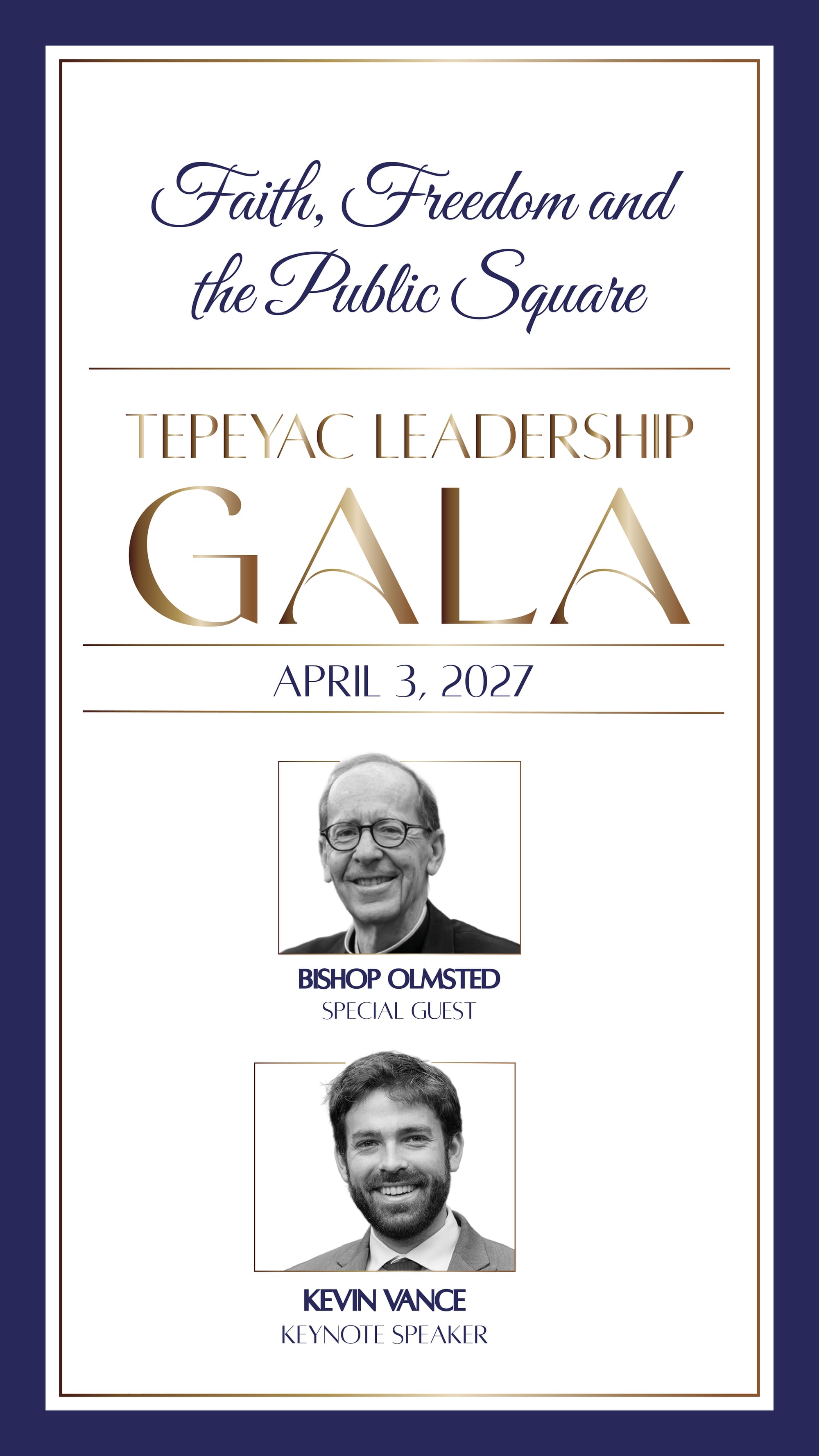
P.S. By joining us at the Tepeyac Leadership Gala, you directly invest in forming the next generation of lay Catholic leaders for civil society. This elegant evening is vital to funding our mission, and your presence ensures we can continue empowering faithful leaders to transform our culture. Reserve your seat today to support this transformative work.
Ad: Tepeyac Leadership’s Leadership for the World is a $2 million, three year mission to form lay Catholic leaders for the public square. Without formation, others fill the void. Will you step in or step aside now, when it matters most?