We’ve all been there: the accidentally sent reply-all email, the botched client presentation, or the catastrophic misstep during week one of a new job. In the high-stakes world of modern business, a rough start can feel like career quicksand.
If you’re currently nursing a professional bruise, take comfort; some of history’s most revered figures had disastrous early career tracks. Before they were recognized as giants of wisdom and leadership, several saints were, frankly, terrible employees.
Here is how three notable figures stumbled out of the gate, and what their early failures teach us about professional resilience.
St. Joseph of Cupertino: The Unemployable Apprentice
Before becoming the patron saint of aviators and test-takers, St. Joseph of Cupertino had a resume that would make any HR director wince. Born in the 17th century, Joseph was notoriously absent-minded, clumsy, and unable to manage basic workplace tasks.
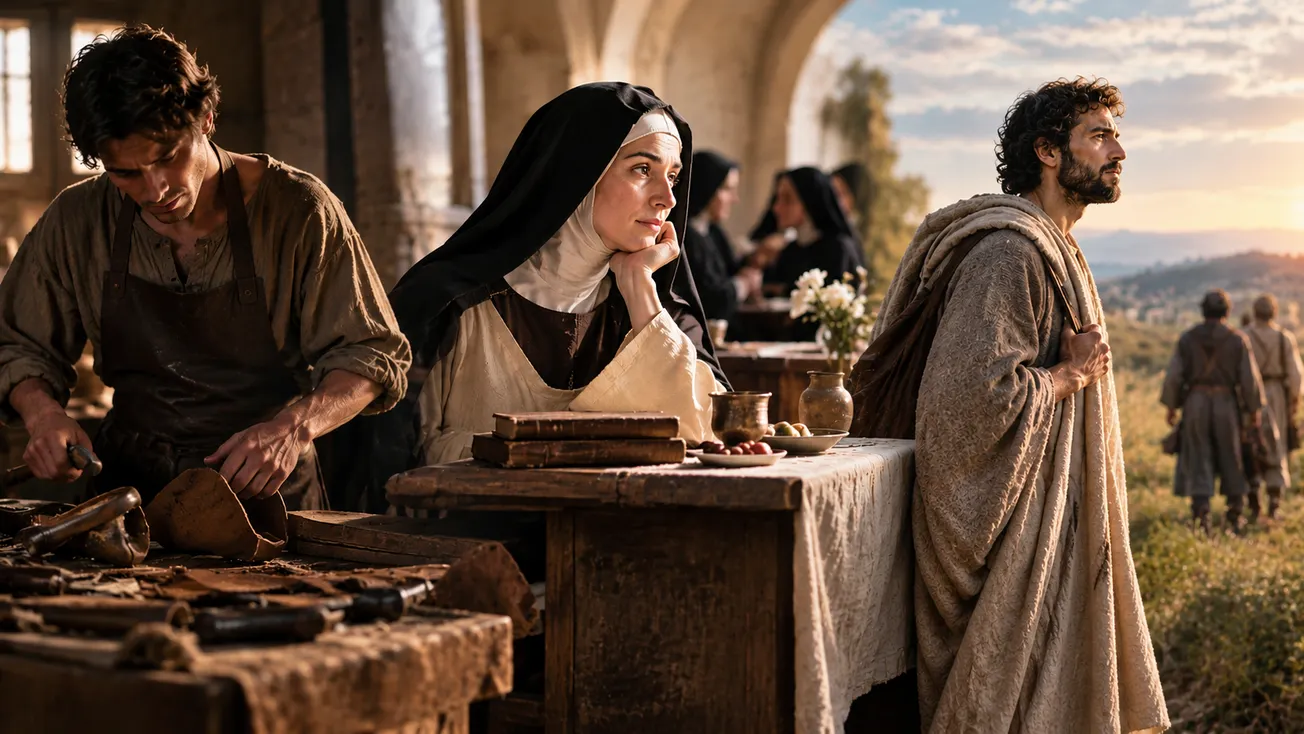
Attempting to learn a trade, he was hired as a shoemaker’s apprentice, only to be promptly fired for breaking tools and dropping materials. Next, he joined a religious community as a lay brother assigned to kitchen duties. There, he routinely dropped stacks of dishes, forgot order instructions, and burned meals. He was let go again.
Skills can be taught, but fit and disposition matter. Joseph eventually found his calling not by forcing himself into roles where he lacked natural aptitude, but by leaning into humility, perseverance, and quiet service. A bad fit in one role doesn't mean you lack value; it often just means you're in the wrong room.
St. Teresa of Ávila: The Office Politician
St. Teresa of Ávila is celebrated today as a brilliant administrator, reformer, and author. But her early years in leadership were marked by a distinct lack of focus and a heavy preoccupation with workplace politics.
As a young nun in 16th-century Spain, Teresa spent years prioritizing social status over her core mission. The convent parlor was the era's equivalent of an executive lounge, and Teresa excelled at hosting long, entertaining conversations with local elites, seeking praise and worldly influence. It took over two decades of shallow networking before a profound moment of self-reflection forced her to pivot toward meaningful, transformative leadership.
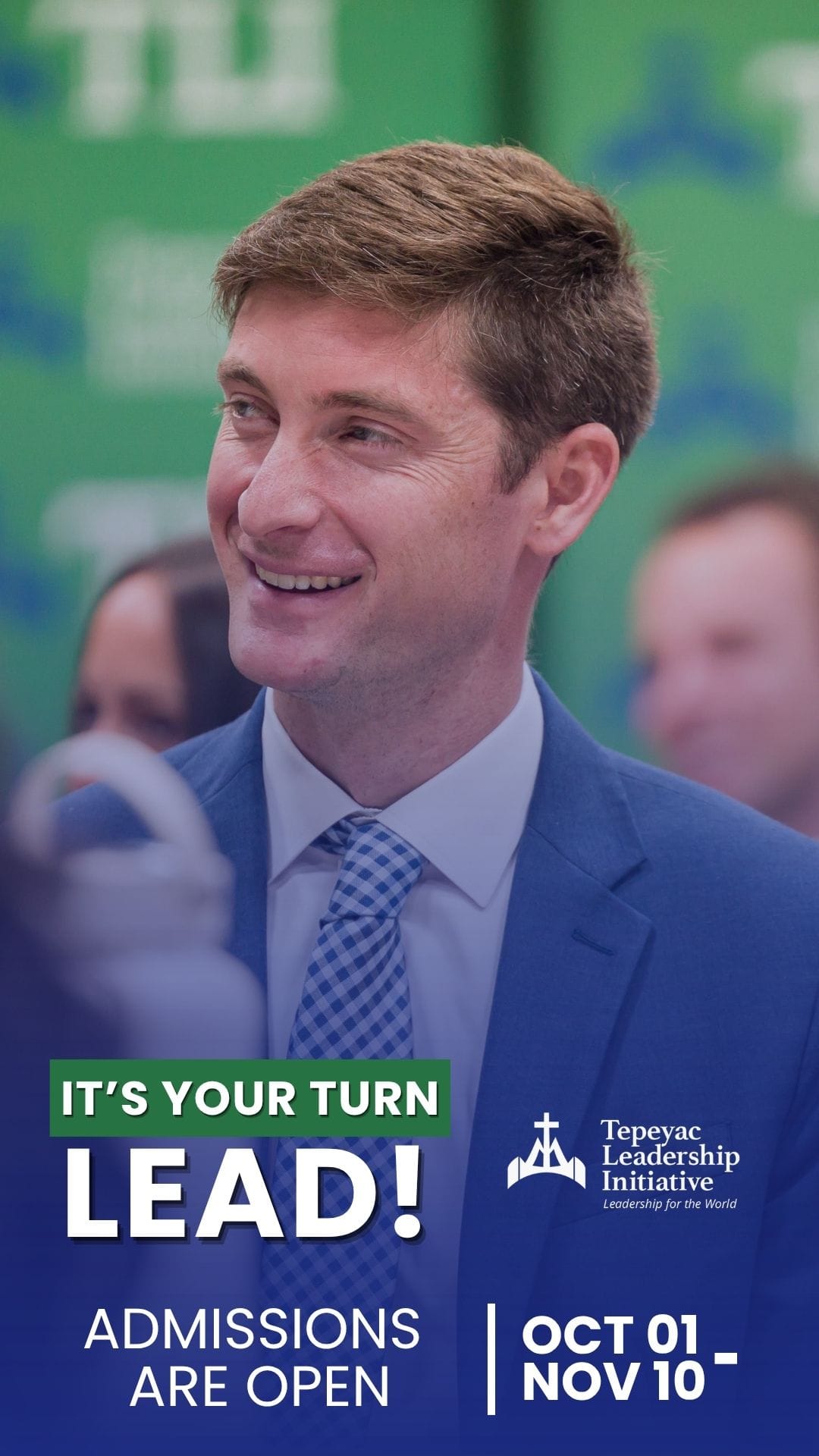
Ad: Advance your career and deepen your faith with the Tepeyac Leadership Initiative, an 18-week leadership development program designed to elevate your professional trajectory while strengthening your relationship with Christ. Gain the vision, skills, and network needed to lead effectively in today’s world. Visit to learn more and submit your application for admission by November 10.
It’s easy to mistake high activity and networking for genuine achievement. Teresa’s turnabout reminds us to audit our professional priorities regularly: Are we building real substance, or are we just managing impressions?
St. Mark: The Project Abandoner
Early in his career, Mark (the Evangelist) was invited by Paul and Barnabas on a major missionary journey, a high-visibility, critical initiative. Shortly after arrival in Pamphylia, however, Mark abruptly packed up and returned home to Jerusalem, effectively abandoning the project mid-assignment.
The fallout was severe. When Barnabas later suggested bringing Mark on a subsequent assignment, Paul flatly refused, leading to a sharp disagreement between the two senior leaders. Mark’s early failure disrupted a major team dynamic and damaged his professional credibility.
Yet Mark didn’t let a failed assignment define his career. He rebuilt his reputation through years of steady, reliable work, eventually becoming a trusted companion to Peter and authoring one of the four Gospels. Years later, even Paul wrote to Timothy asking for Mark, noting, "he is useful to me for ministry."
Professional redemption is always possible. A failed project or broken trust can be repaired through consistent, quiet reliability over time.
The Executive Takeaway
Perfection is not required on day one, or even year one. True professional excellence isn't built on a flawless record; it’s forged in how we respond to failure, adapt with humility, and maintain integrity when things go wrong.
The next time a workplace mistake leaves you cringe-reading your own sent folder, take a deep breath. You're in good company.
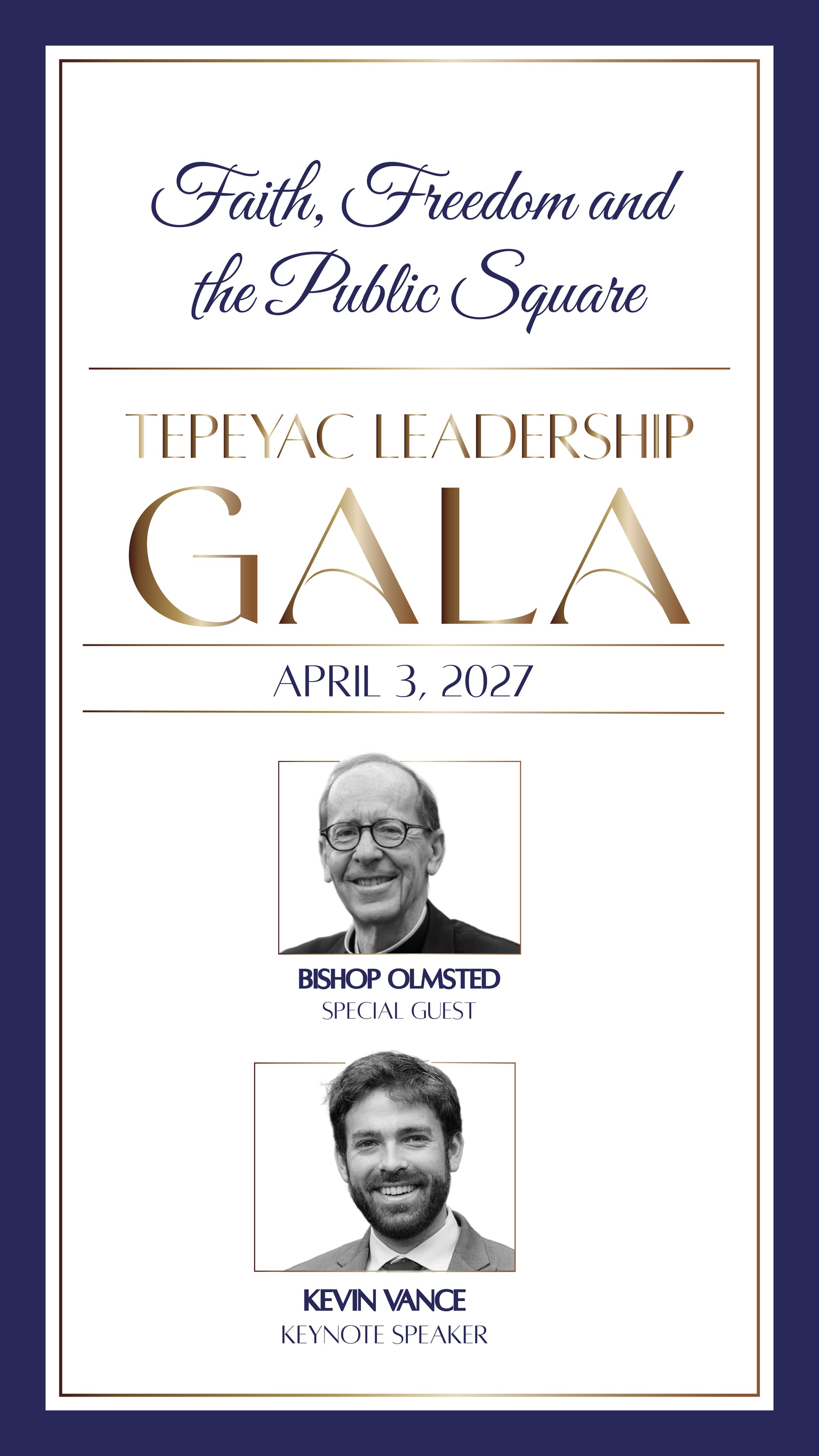
P.S. By joining us at the Tepeyac Leadership Gala, you directly invest in forming the next generation of lay Catholic leaders for civil society. This elegant evening is vital to funding our mission, and your presence ensures we can continue empowering faithful leaders to transform our culture. Reserve your seat today to support this transformative work.
Ad: Tepeyac Leadership’s Leadership for the World is a $2 million, three year mission to form lay Catholic leaders for the public square. Without formation, others fill the void. Will you step in or step aside now, when it matters most?