With another high-stakes national election approaching, the atmospheric tension across the country is unmistakable. What was once confined to Sunday morning talk shows and cable news networks now routinely seeps into Slack channels, Zoom pre-calls, and breakroom conversations.
For executives, managers, and working professionals, this dynamic presents an immediate operational challenge: How do we maintain team cohesion, psychological safety, and mutual respect when political discourse threatens to turn professional colleagues into ideological adversaries?
For the Catholic lay professional, however, this moment carries an even deeper call.
In Gaudium et Spes, the Second Vatican Council reminded us that lay believers are called by God to engage directly in secular fields, animating earthly affairs with the spirit of the Gospel. In an era marked by tribalism and knee-jerk hostility, our primary vocation in the workplace is not to win political debates, but to serve as instruments of peace, civility, and human dignity.
The Pitfall of Dual Extremes
When political tensions rise, leaders typically fall into one of two traps. One is total suppression, imposing rigid bans on all personal or social discourse, creating an sterile environment where authentic relationship-building collapses under suspicion.
Option two is often passive permissiveness, allowing partisan debate to run unchecked, which quickly leads to alienated team members, hostile working conditions, and eroded trust.
Catholic social teaching offers a better path rooted in solidarity and prudence. Solidarity requires us to see every colleague, regardless of their voting preferences, policy positions, or political affiliation, first and foremost as an individual made in the image and likeness of God (Imago Dei). Prudence teaches us to govern our speech, cultivate self-restraint, and preserve the peace necessary for shared human flourishing.
Three Practical Steps for Catholic Leaders
Whether you sit in the C-suite or manage a project team, here is how you can model Christian peacemaking during election season:
1. Re-center the Inviolable Dignity of the Person
When a political conversation erupts in a meeting or chat channel, gently re-anchor the dialogue around shared values and respect for human dignity. Model active listening that seeks understanding rather than immediate counter-argument. Refuse to participate in workplace gossip, cynicism, or disparaging caricatures of political opponents.
2. Cultivate Intellectual Humility
Partisan hostility thrives on ideological pride, the belief that one's own political faction holds a monopoly on wisdom, while the other side is driven entirely by bad faith. A Catholic worldview recognizes both the complexity of prudential judgments in civic life and our own human fallibility. By asking thoughtful questions and acknowledging valid concerns raised by others, you diffuse tension and invite genuine dialogue.
Ad: Advance your career and deepen your faith with the Tepeyac Leadership Initiative, an 18-week leadership development program designed to elevate your professional trajectory while strengthening your relationship with Christ. Gain the vision, skills, and network needed to lead effectively in today’s world. Visit to learn more and submit your application for admission by November 10.

3. Anchor Your Ultimate Identity Elsewhere
The ultimate source of our hope and governance is not found in political parties or legislative chambers. When we demonstrate that our core security and identity reside in Christ, we bring a calming presence to high-stress environments. Colleagues notice when a leader remains steadfast, kind, and fair despite political turbulence.
Salt and Light in the Modern Boardroom
The workplace is one of the few remaining spaces in modern society where people of widely differing backgrounds, beliefs, and political outlooks must collaborate toward a common goal.
As the election draws near, Catholic professionals have a distinct opportunity to demonstrate that unity does not require uniformity, and that principled conviction can walk hand-in-hand with deep charity. By choosing civil dialogue over contempt, we fulfill our lay vocation, acting as salt and light precisely where the culture needs it most.
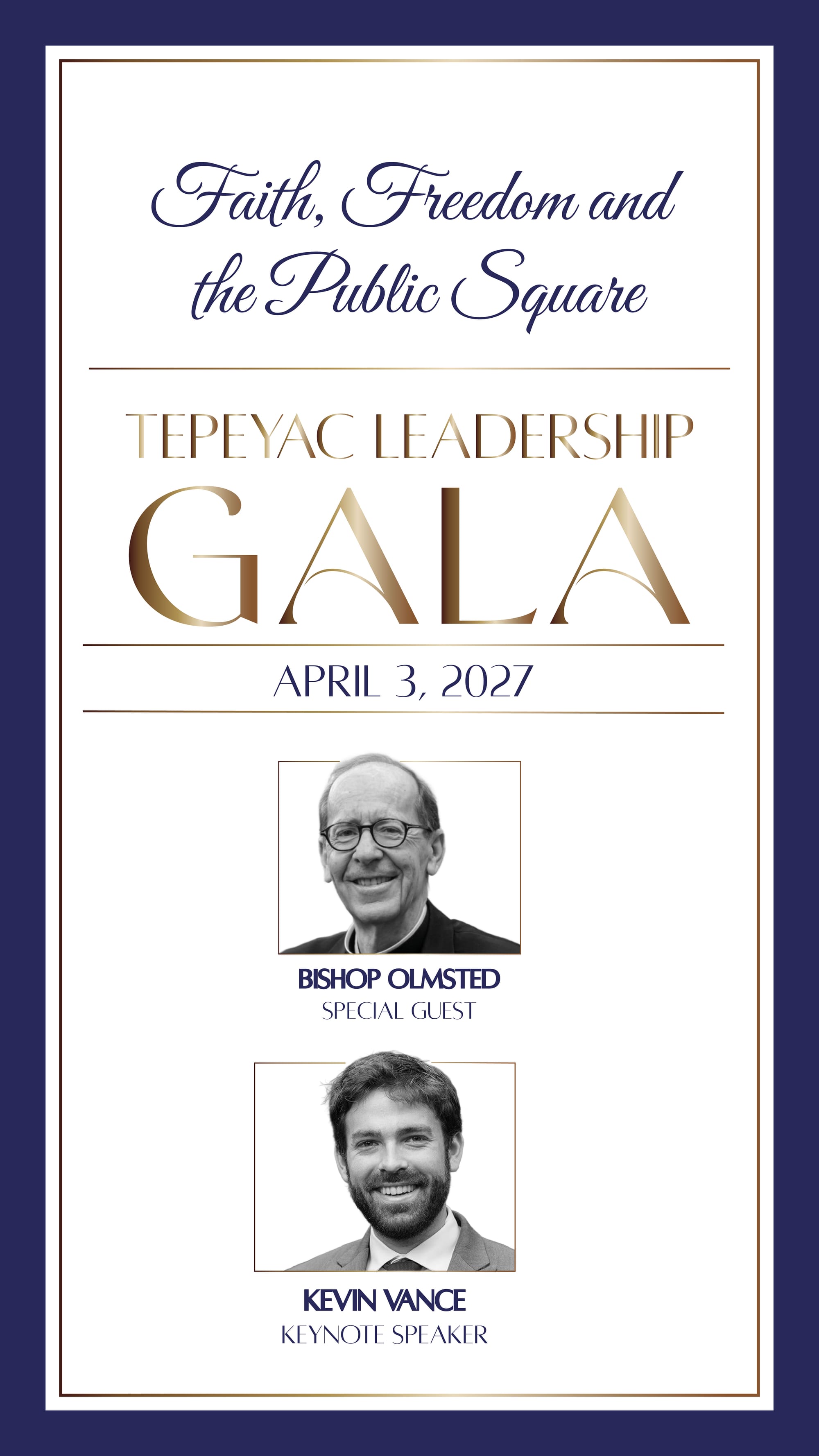
P.S. By joining us at the Tepeyac Leadership Gala, you directly invest in forming the next generation of lay Catholic leaders for civil society. This elegant evening is vital to funding our mission, and your presence ensures we can continue empowering faithful leaders to transform our culture. Reserve your seat today to support this transformative work.
Ad: Tepeyac Leadership’s Leadership for the World is a $2 million, three year mission to form lay Catholic leaders for the public square. Without formation, others fill the void. Will you step in or step aside now, when it matters most?