In a world flooded with non-stop news cycles and endless social media feeds, it is so easy for busy professionals to let party platforms or media channels do the heavy lifting for us. We listen to quick soundbites on our morning commute, scan headlines between meetings, and assume we are getting the whole picture.
Yet, as Catholic leaders, managers, and neighbors, passively soaking in whatever pops up on our screens is more than just a shortcut, it means stepping back from our genuine responsibility in public life.
The Church has always taught that caring about our communities and engaging in civil society is a fundamental part of living out our faith. The U.S. Bishops put it plainly in Forming Consciences for Faithful Citizenship, reminding us that being a responsible citizen is a virtue, and participating in public life is a moral duty. But if we want our participation to be meaningful, we have to start with a well-formed conscience, and that takes honest, deliberate effort to seek out the truth.
Moving Beyond Soundbites and Hot Takes
Being an informed voter or executive is about much more than staying hooked on political commentary. Today’s public discourse too often shrinks complex human realities, like economic stewardship, fair working conditions, and personal dignity, into simple loyalty tests for one political team or another.
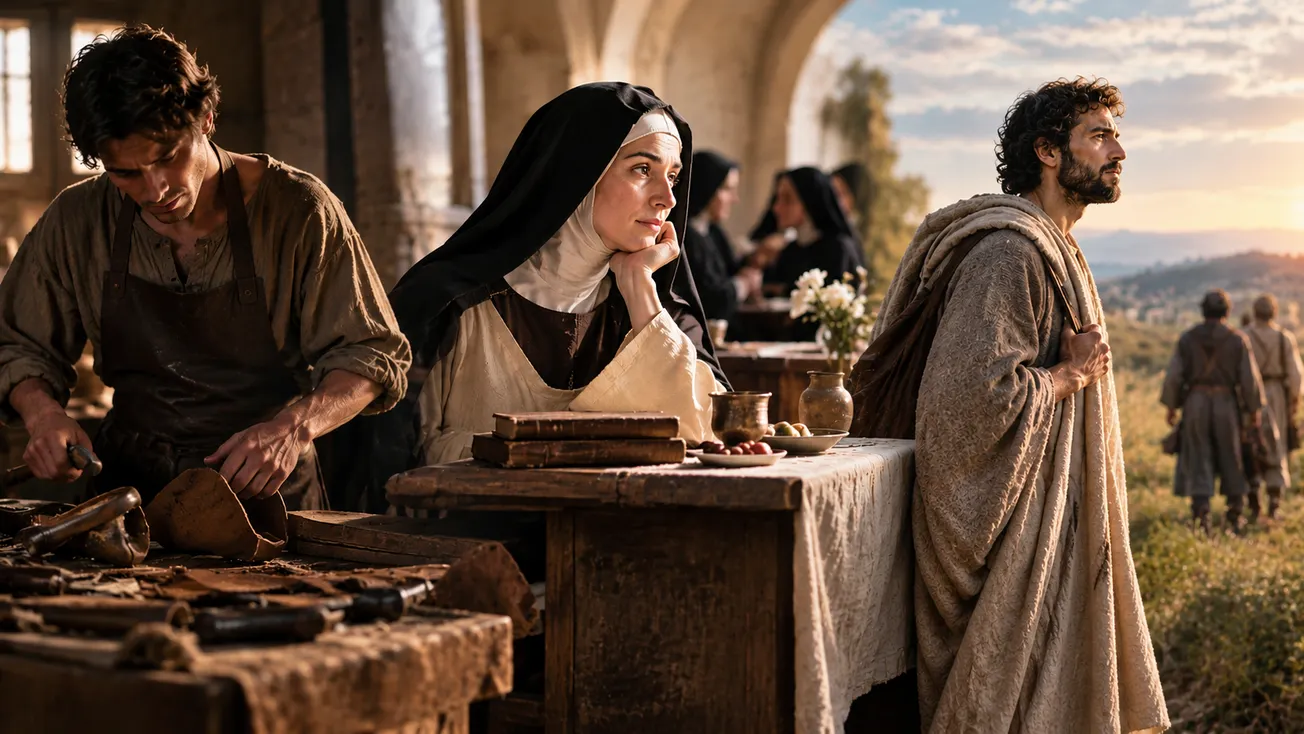
When we simply adopt pre-packaged opinions, we risk putting political agendas ahead of Gospel values. Pope Francis once shared that a good Catholic jumps into public life and offers the very best of themselves. Giving our best takes real effort. It means looking at actual policy proposals, checking reliable facts, and filtering what we hear through the heartbeat of Catholic social teaching.
First, we look through the lens of human dignity: does a decision respect the God-given value of every single person, from conception to natural death? Second, we consider subsidiarity: does a policy support local families, small businesses, and neighborhood organizations, or does it try to push everything from top-down control? Finally, we reflect on solidarity and the common good: how will this choice affect the vulnerable, working families, and our community as a whole?
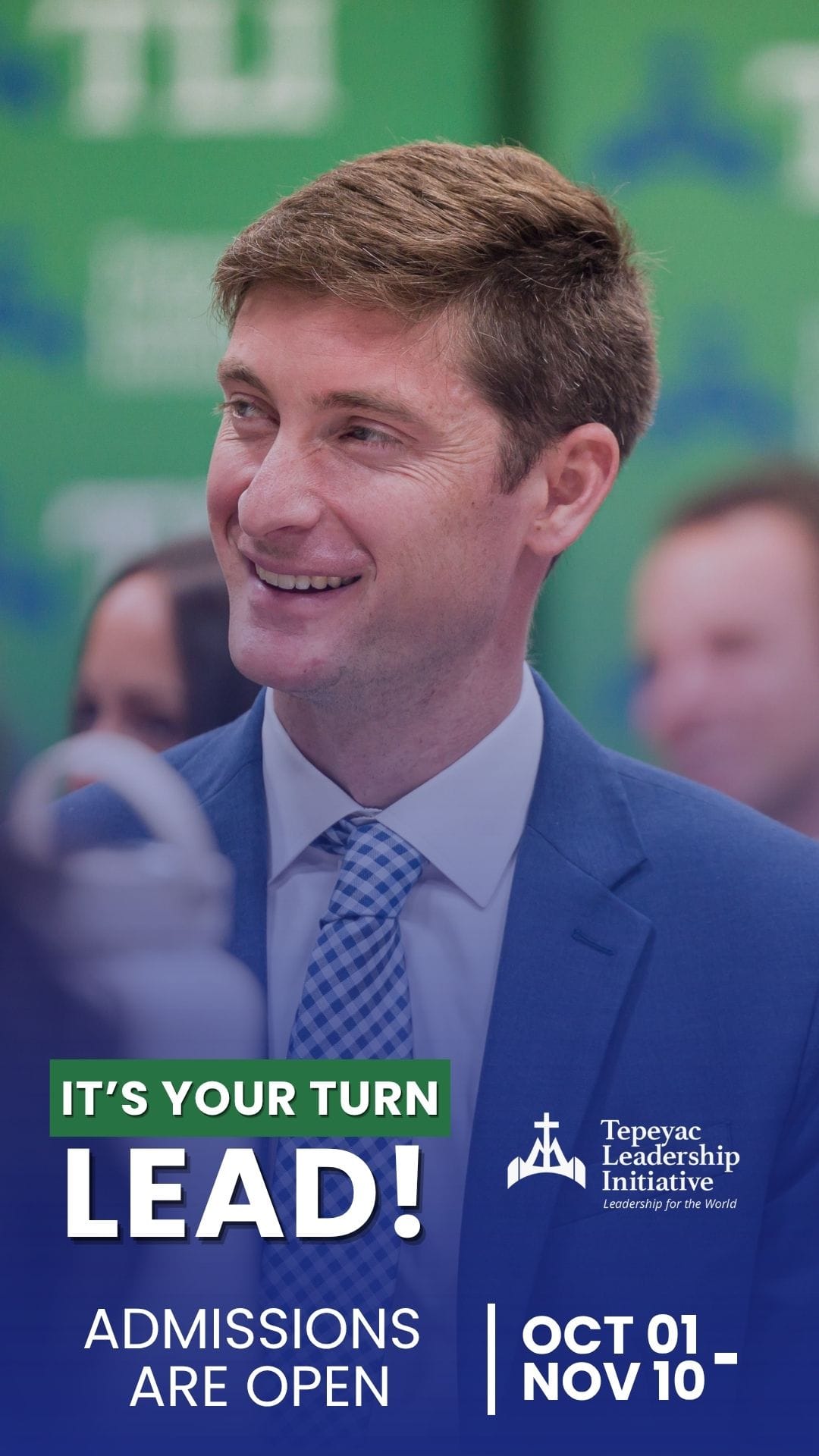
Ad: Advance your career and deepen your faith with the Tepeyac Leadership Initiative, an 18-week leadership development program designed to elevate your professional trajectory while strengthening your relationship with Christ. Gain the vision, skills, and network needed to lead effectively in today’s world. Visit to learn more and submit your application for admission by November 10.
Bringing Boardroom Rigor to Our Civic Life
Think about how you operate in your workplace. In business, you would never make a major decision based on a flashy advertisement or an unchecked rumor. Executives demand real research, solid numbers, and clear evidence before committing resources or choosing a direction.
We deserve to bring that same thoughtful, professional rigor to our civic choices. Shaping our conscience is an ongoing journey. It starts with going straight to the source, reading real documents and church teachings rather than relying on someone else's commentary.
It also means staying humble, listening to different perspectives across the political spectrum so we can test our own assumptions and spot our biases. And most importantly, it takes patience and quiet prayer. Bringing our research into silent reflection gives the Holy Spirit space to guide us toward true wisdom and prudence.
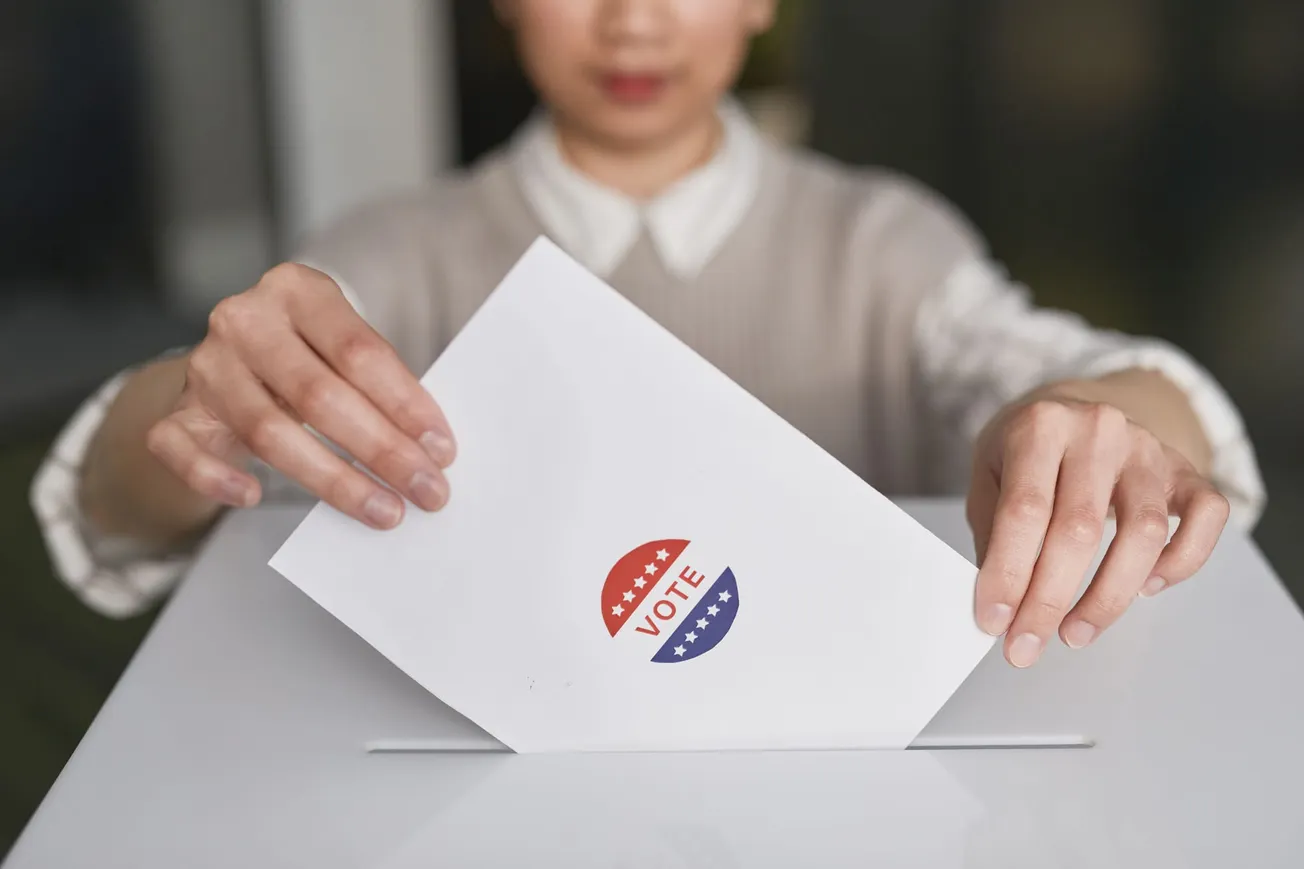
As Pope Benedict XVI pointed out, truth isn't measured by popularity or social media applause. In our offices, in our communities, and at the ballot box, doing the quiet work to stay genuinely informed helps us bring light to the conversation rather than adding to the noise.
P.S. By joining us at the Tepeyac Leadership Gala, you directly invest in forming the next generation of lay Catholic leaders for civil society. This elegant evening is vital to funding our mission, and your presence ensures we can continue empowering faithful leaders to transform our culture. Reserve your seat today to support this transformative work.
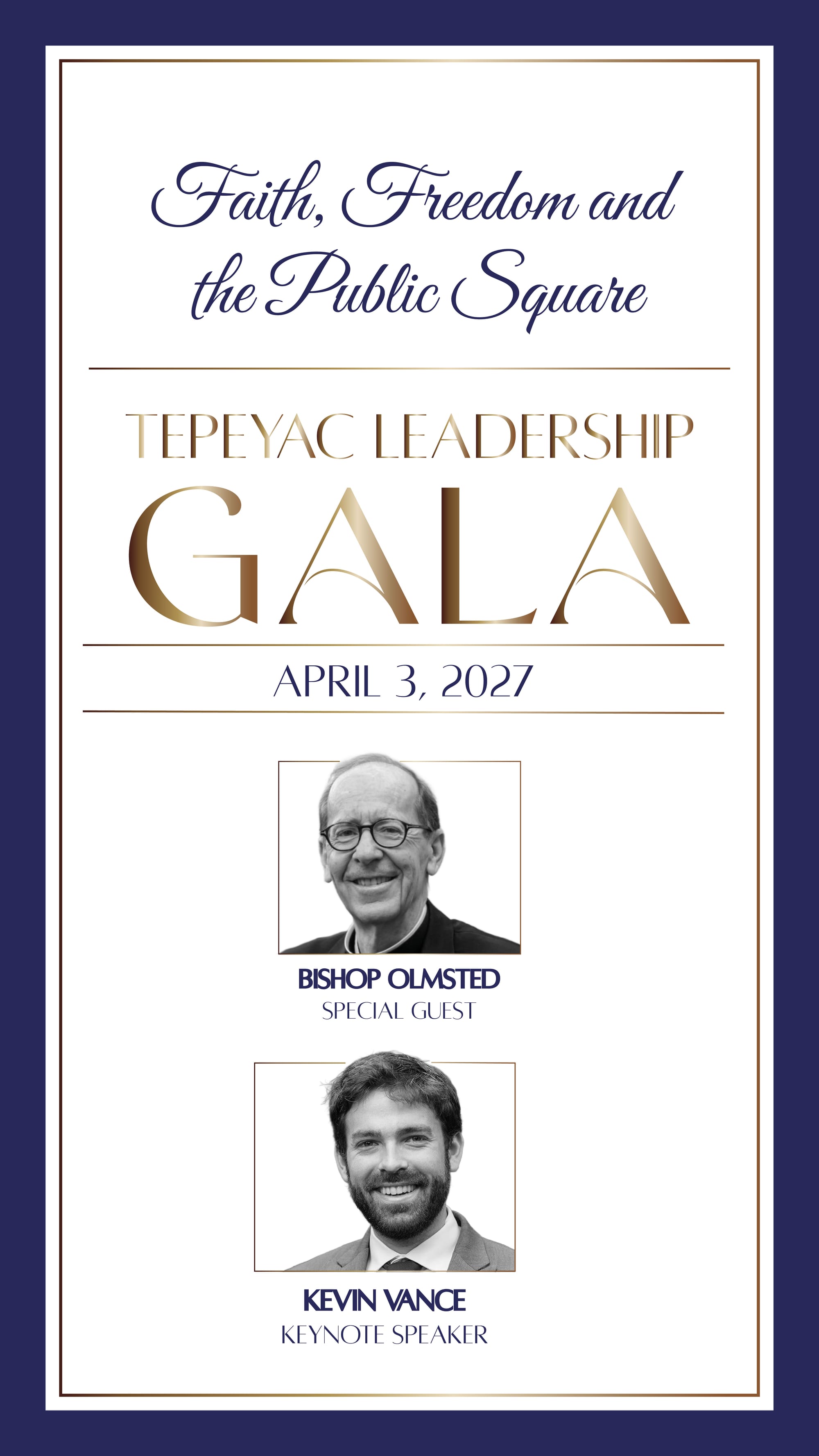
Ad: Tepeyac Leadership’s Leadership for the World is a $2 million, three year mission to form lay Catholic leaders for the public square. Without formation, others fill the void. Will you step in or step aside now, when it matters most?