Your calendar is color-coded, your inbox is sitting at a crisp zero, and you just shaved three minutes off your morning commute thanks to a new shortcut. You’ve got your task management app running like a Swiss watch, tracking every deliverable down to the quarter-hour.
By any modern metric, you are crushing it.
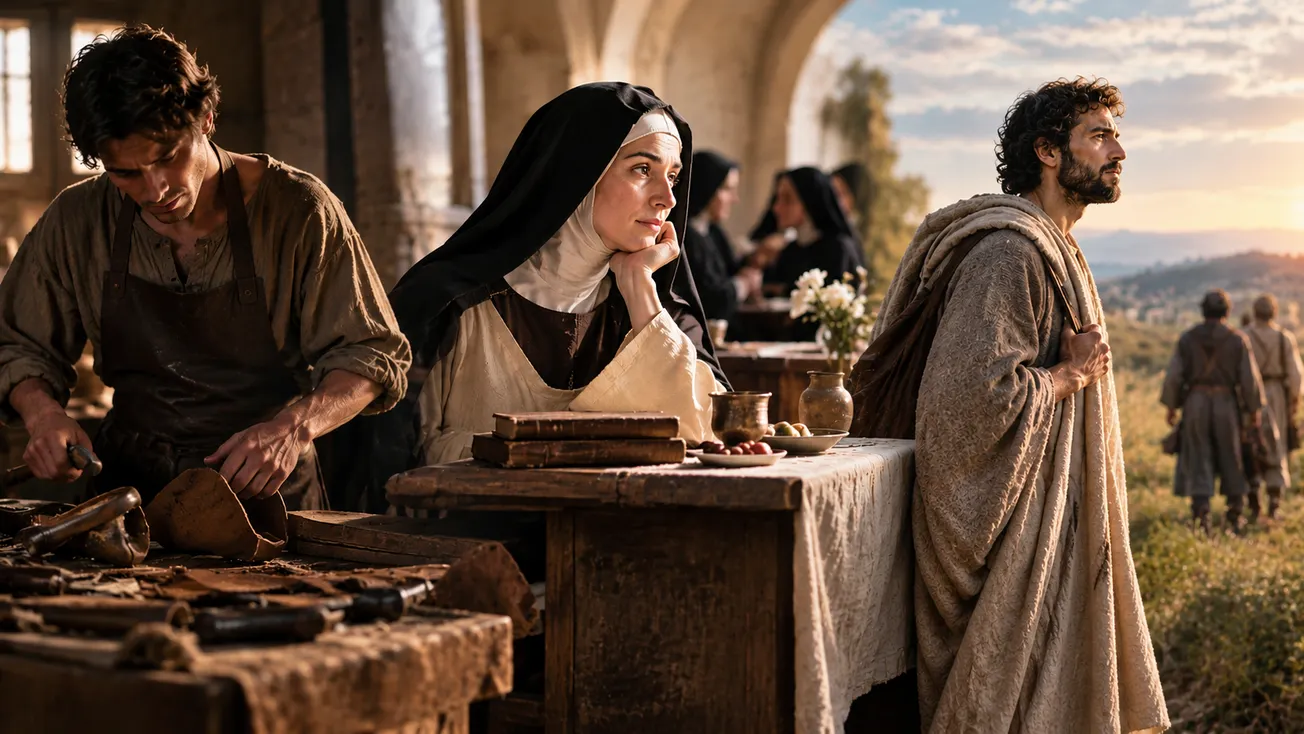
In Luke 12:54–59, Jesus steps up to a crowd of people who were doing the 1st-century equivalent of hyper-optimizing their day. They were master meteorologists of daily life. They’d look west, see a cloud, and instantly know rain was on the way. They’d feel a south wind and prepare for a heatwave. They had the micro-details of their immediate environment dialed in down to a science.
And then Jesus drops the hammer: “You hypocrites! You know how to interpret the appearance of the earth and the sky; why do you not know how to interpret the present time?”
It’s a comment that cuts right through our modern obsession with productivity. We’ve become incredible at managing the trees, but we’re completely oblivious to the fact that the forest around us is on fire.
Master Mechanics, Missing Meaning
There’s a subtle trap in professional culture today. We get so caught up in the mechanics of getting things done, life-hacking our morning routines, hitting quarterly KPIs, and maximizing billable hours, that we rarely pause to ask a simple question: What is all this efficiency actually building?
Optimization isn't inherently bad. Stewardship requires using our time and talents wisely. But when efficiency becomes the ultimate goal rather than a tool, it turns into an idol. We become so focused on executing the immediate task in front of us that we miss the bigger picture: the spiritual reality of our lives, the moral weight of our work, and the human needs of the people sitting in the cubicles next to us.
We can read every market signal, anticipate industry disruptions, and optimize our schedules to perfection, yet remain completely blind to the fact that our hyper-scheduled lives leave zero margin for grace, community, or God.
Ad: Advance your career and deepen your faith with the Tepeyac Leadership Initiative, an 18-week leadership development program designed to elevate your professional trajectory while strengthening your relationship with Christ. Gain the vision, skills, and network needed to lead effectively in today’s world. Visit to learn more and submit your application for admission by November 10.
The Last Penny of the Productivity Machine
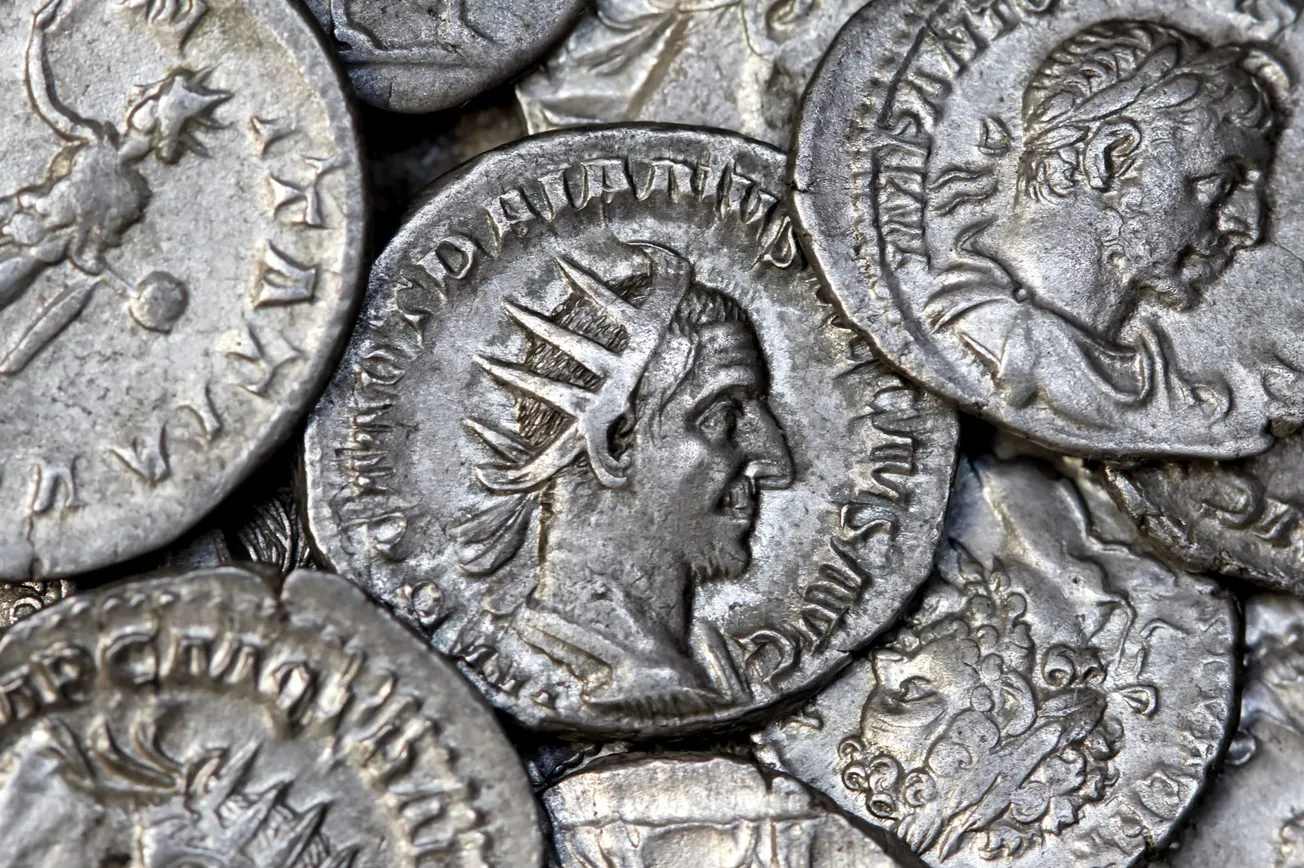
In the second half of the passage, Jesus talks about settling debts before ending up in front of the judge, warning that you won't get out until you’ve paid "the last penny."
If you’ve ever hit severe burnout, that phrase probably sounds familiar.
When we live entirely in the weeds of micro-efficiency, treating our lives like a machine to be optimized, the system eventually demands its toll. We end up paying with our mental health, our relationships, and our peace of mind. We settle for the illusion of control while being dragged down by the sheer weight of never doing enough.
Step Back and Look Up
Jesus isn't telling us to abandon our responsibilities or stop planning ahead. He’s telling us to raise our gaze.
Reading the signs of the times means stepping back from the dashboard of life-hacks and asking bigger questions. Is my work serving human flourishing, or just feeding my need for control? Does my schedule reflect my faith, or is God squeezed into whatever leftover minutes didn't make it onto the calendar? Am I paying attention to the spiritual atmosphere of my workplace, or am I too busy checking off boxes?
Don't let the obsession with small-scale efficiency blind you to the grand reality of why you’re here. Close the task manager for a moment, take a breath, and look up. The bigger picture is worth seeing.
P.S. By joining us at the Tepeyac Leadership Gala, you directly invest in forming the next generation of lay Catholic leaders for civil society. This elegant evening is vital to funding our mission, and your presence ensures we can continue empowering faithful leaders to transform our culture. Reserve your seat today to support this transformative work.
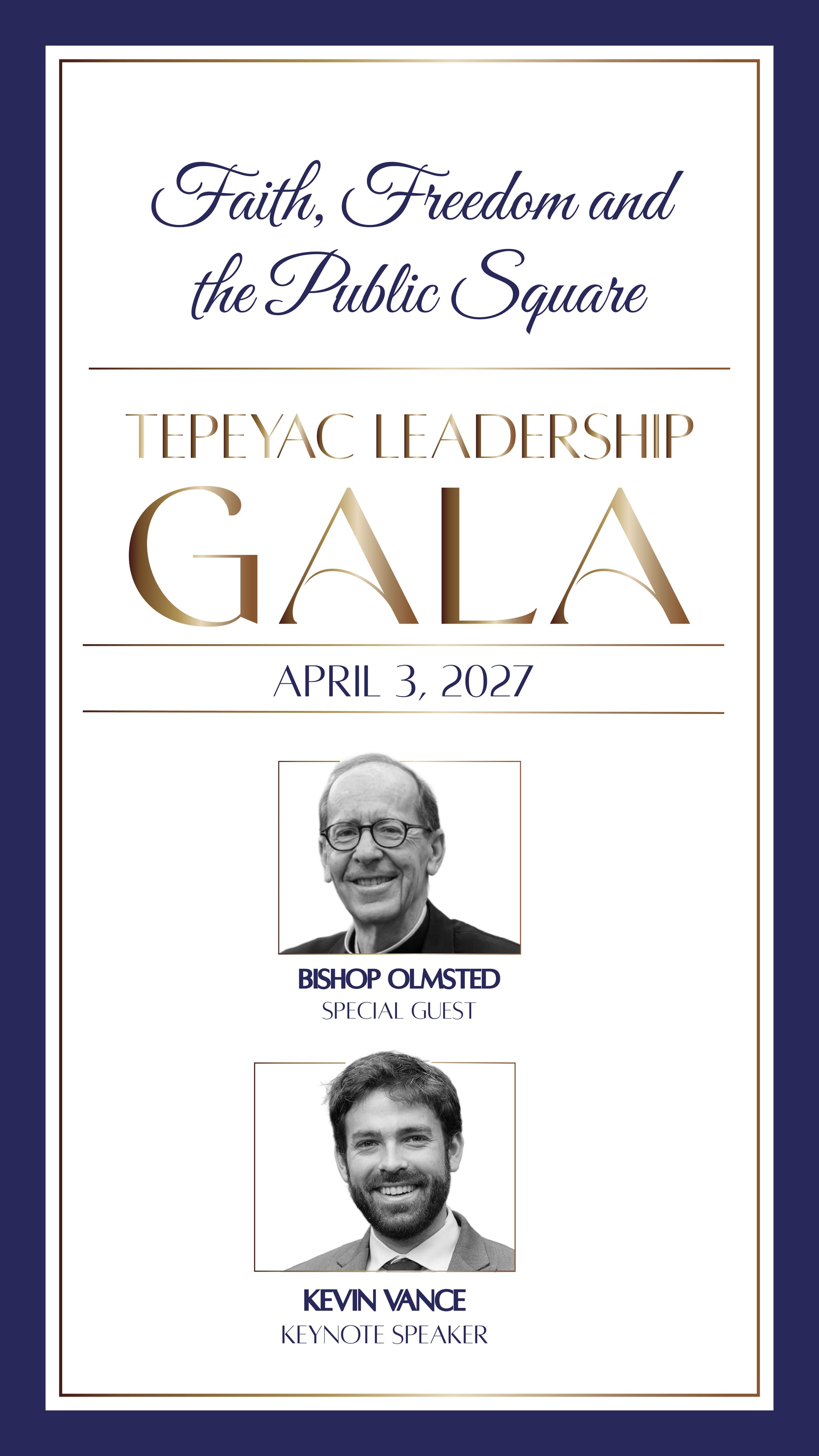
Ad: Tepeyac Leadership’s Leadership for the World is a $2 million, three year mission to form lay Catholic leaders for the public square. Without formation, others fill the void. Will you step in or step aside now, when it matters most?