If you open any news feed or check market commentary this week, you are almost guaranteed to be greeted by an avalanche of polling data. Swing-state breakdowns, margins of error, statistical models, and endless predictions dominate the headlines. For corporate leaders, small business owners, and working professionals, this non-stop predictive cycle doesn't just create background noise, it drives tangible anxiety.
In business, we are trained to manage risk by forecasting the future. We look at key performance indicators, market research, and economic trends to chart our path forward. Naturally, when election season arrives, our professional instinct is to treat political polling the same way: as data to be analyzed so we can brace for whatever is coming.
Yet political polling is an imperfect science, subject to shifting methodologies, low response rates, and volatile public sentiment. When we anchor our peace of mind in these dynamic, often contradictory statistical projections, we set ourselves up for perpetual anxiety. More fundamentally, we confuse statistical forecasting with where our true stability lies.
The Limits of Data and the Promise of Providence
The desire to know the future is ultimately a desire for control. When the political landscape feels unpredictable, checking the latest poll offers a temporary illusion of certainty. But as Catholic professionals, we are called to a higher standard of intellectual and spiritual maturity.
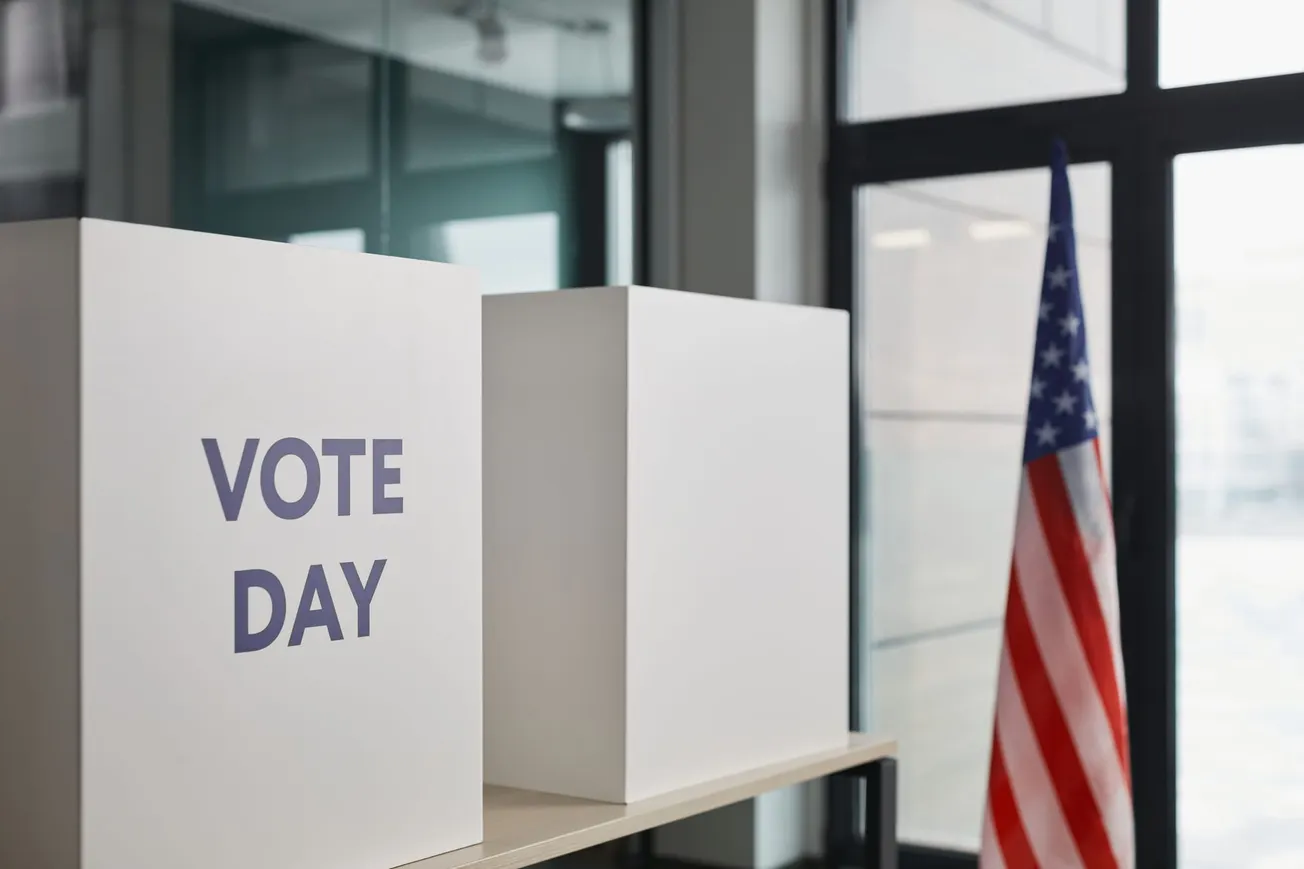
Civic engagement is a genuine virtue. Evaluating policies, remaining informed, and exercising our right to vote are integral aspects of living our faith in the public square. However, there is a clear distinction between responsible civic duty and obsessive consumption of predictive algorithms.
St. Thomas Aquinas described the cardinal virtue of prudence as "right reason applied to action." Prudence requires us to see reality as it is, make sound judgments, and act wisely within our sphere of influence. It does not demand that we fixate on speculative outcomes over which we have no personal control. When we allow volatility in the polls to dictate our daily mood, our workplace productivity, or our interactions with colleagues, we have traded Christian prudence for reactive anxiety.
Ad: Advance your career and deepen your faith with the Tepeyac Leadership Initiative, an 18-week leadership development program designed to elevate your professional trajectory while strengthening your relationship with Christ. Gain the vision, skills, and network needed to lead effectively in today’s world. Visit to learn more and submit your application for admission by November 10.
Executive Leadership in a Fractured Environment
For managers and executives, election-related anxiety isn't just a personal challenge, it impacts organizational culture. Workplace tension often spikes during election cycles, as employees bring political apprehensions into team meetings and watercooler conversations. This presents a unique opportunity for Catholic leaders to model a different way of being. By remaining calm, grounded, and focused on the immediate mission of our organizations, we provide a stabilizing presence for those around us.
First, we must practice disciplined media hygiene by setting clear digital boundaries. Limiting news consumption to specific windows during the day, rather than allowing continuous push notifications to disrupt your focus and interior peace, keeps the noise from overwhelming your work.
Second, we can refocus our energy on immediate stewardship. Redirect your day-to-day attention toward the practical responsibilities right in front of you, whether that means serving your clients faithfully, supporting your team members, or caring for your family.
Finally, leaders are called to model charitable leadership in every interaction. By actively discouraging toxic or divisive political debate in the office, we emphasize mutual respect and reaffirm the shared dignity of every person on our team.
Anchored Beyond the Cycle
Governments, market conditions, and political alignments will always ebb and flow. Polling models will rise and fall with every news cycle. But the ultimate foundation of our work and our lives remains unchanged.
Our primary vocation as Catholic professionals is not to predict the future, but to be faithful in the present. By approaching this election season with prudence, quiet confidence, and trust in Divine Providence, we step back from the noise, offering our workplaces a powerful witness of peace in a restless world.
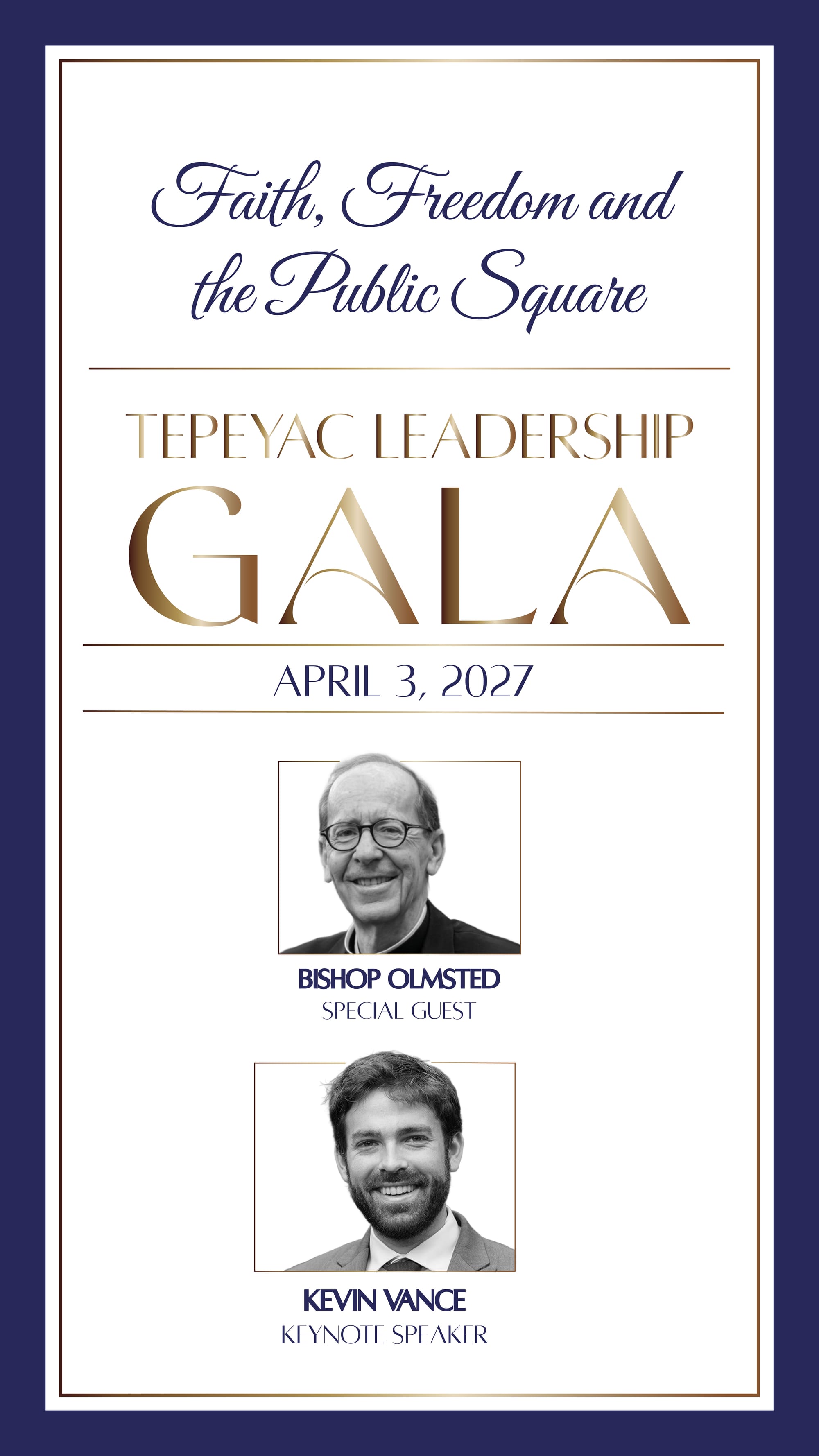
Ad: Tepeyac Leadership’s Leadership for the World is a $2 million, three year mission to form lay Catholic leaders for the public square. Without formation, others fill the void. Will you step in or step aside now, when it matters most?