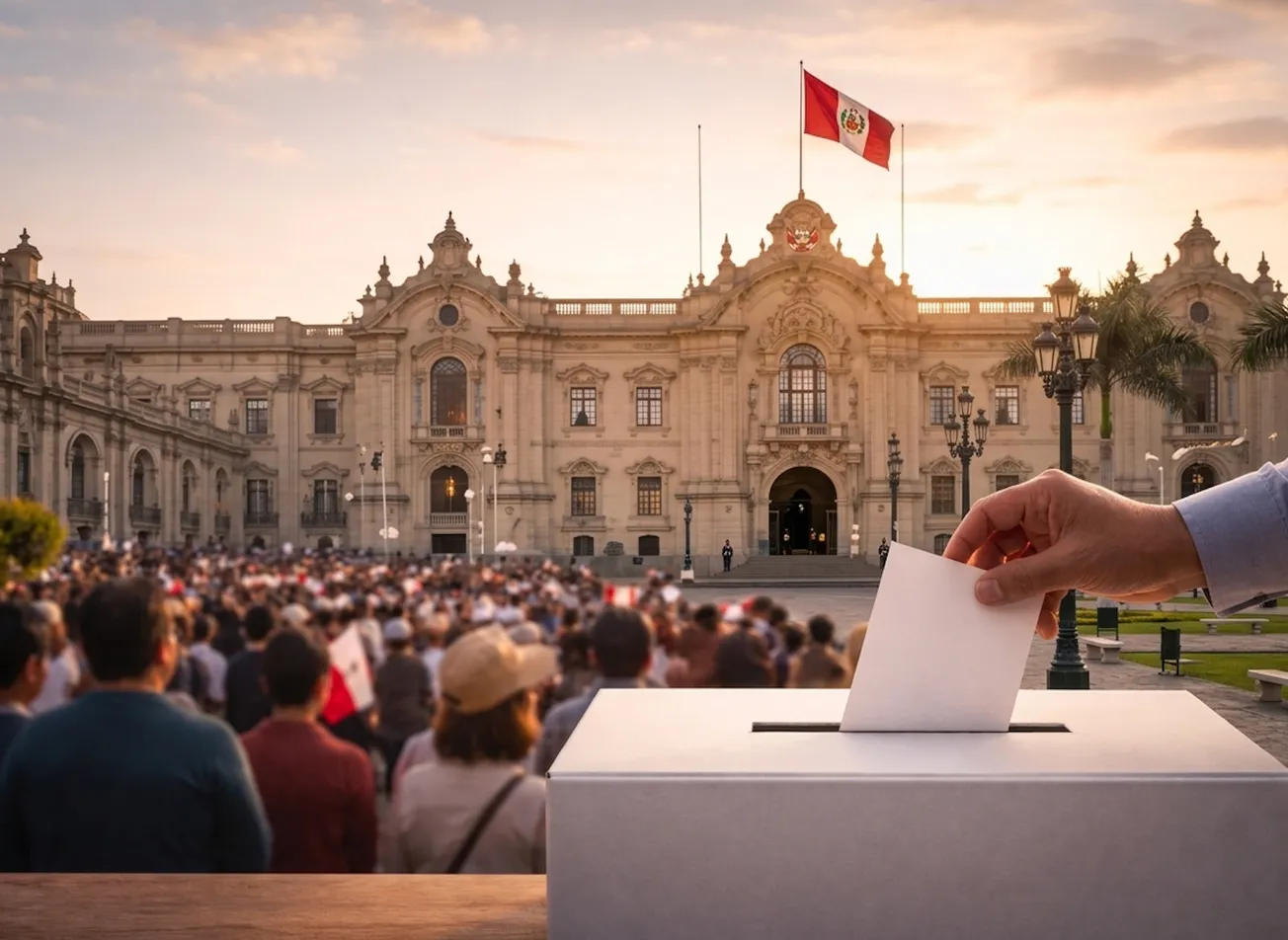
Peru approaches its 2026 presidential elections at a moment of profound national uncertainty. In a season already marked by reflection and sacrifice, many Peruvians experienced Lent with the additional penance of enduring a tense and exhausting political campaign. After years of instability, marked by repeated presidential removals and institutional breakdown, the country now faces a decisive opportunity to rebuild trust, restore governance, and recover a sense of moral direction. For Catholic in Peru, the stakes are not merely political, but ethical and cultural.
A Nation Seeking Stability
In less than a decade, Peru has seen a revolving door of leadership, with multiple presidents removed from office through impeachment or resignation. The current transitional government carries the responsibility of guiding the nation toward elections that many hope will mark a turning point.
This instability has eroded public trust and weakened democratic institutions. Voters are increasingly concerned about corruption, insecurity, and the inability of political leaders to provide consistent governance. These elections are, therefore, not simply about choosing a president, but about restoring credibility to the Peruvian state.
The Return to a Bicameral System
One of the most significant institutional changes in this election cycle is the return to a bicameral legislature. For the first time since the early 1990s, Peruvians will elect both a Chamber of Deputies and a Senate.
The reintroduction of the Senate is intended to strengthen checks and balances, improve legislative deliberation, and reduce the fragmentation that has plagued Peruvian politics. Supporters argue that a second chamber can provide greater stability and long-term vision, while critics warn of potential gridlock.
For Catholic in Peru committed to the common good, this reform raises important questions about subsidiarity, institutional responsibility, and the proper ordering of political authority.
Key Candidates and the Political Landscape
The 2026 race is highly fragmented, with many candidates competing in the first round. Yet a few figures have emerged as leading contenders.
Among them is Rafael López Aliaga, a businessman and former mayor of Lima, known for his outspoken conservative positions and public identification with Catholic values. He has attracted support from voters seeking a strong stance on moral and social issues.
Keiko Fujimori, a three-time presidential candidate, remains a central figure in Peruvian politics. While she commands a loyal base, her candidacy is also marked by significant polarization and lingering concerns tied to the legacy of her father’s government.
A third notable contender is Alfonso López Chau, an economist who presents himself as a centrist alternative, seeking to bridge ideological divides in a deeply fragmented electorate.
The wide field of candidates reflects a broader crisis of political identity in Peru, where parties remain weak and personalistic leadership often prevails.
Issues That Matter to Catholics
The Peruvian bishops have called for ethical discernment in this electoral season, urging citizens to prioritize integrity, truth, and the common good in their voting decisions.
For Catholics in the workplace and public life, several issues stand out:
First, the defense of human dignity, particularly in a context where corruption and exploitation undermine trust and justice.
Second, public security, as rising crime threatens families, businesses, and social stability.
Third, economic informality, which affects a large portion of the population and limits opportunities for dignified work and social mobility.
Finally, the need for authentic leadership, marked by coherence between personal values and public action, a theme strongly emphasized by the Church.
The personal faith of candidates also carries weight in a country where Catholicism remains culturally significant. While expressions of faith vary, voters are attentive to whether candidates’ policies align with principles such as the sanctity of life, solidarity with the poor, and respect for the family.
A Call to Responsible Engagement
The 2026 elections in Peru are not merely a political event. They are a test of the nation’s moral and institutional foundations. For lay Catholics in Peru, this moment calls for informed participation, prayerful discernment, and a renewed commitment to the common good.
In a fragmented political landscape, the challenge is not only to choose wisely, but to witness faithfully.
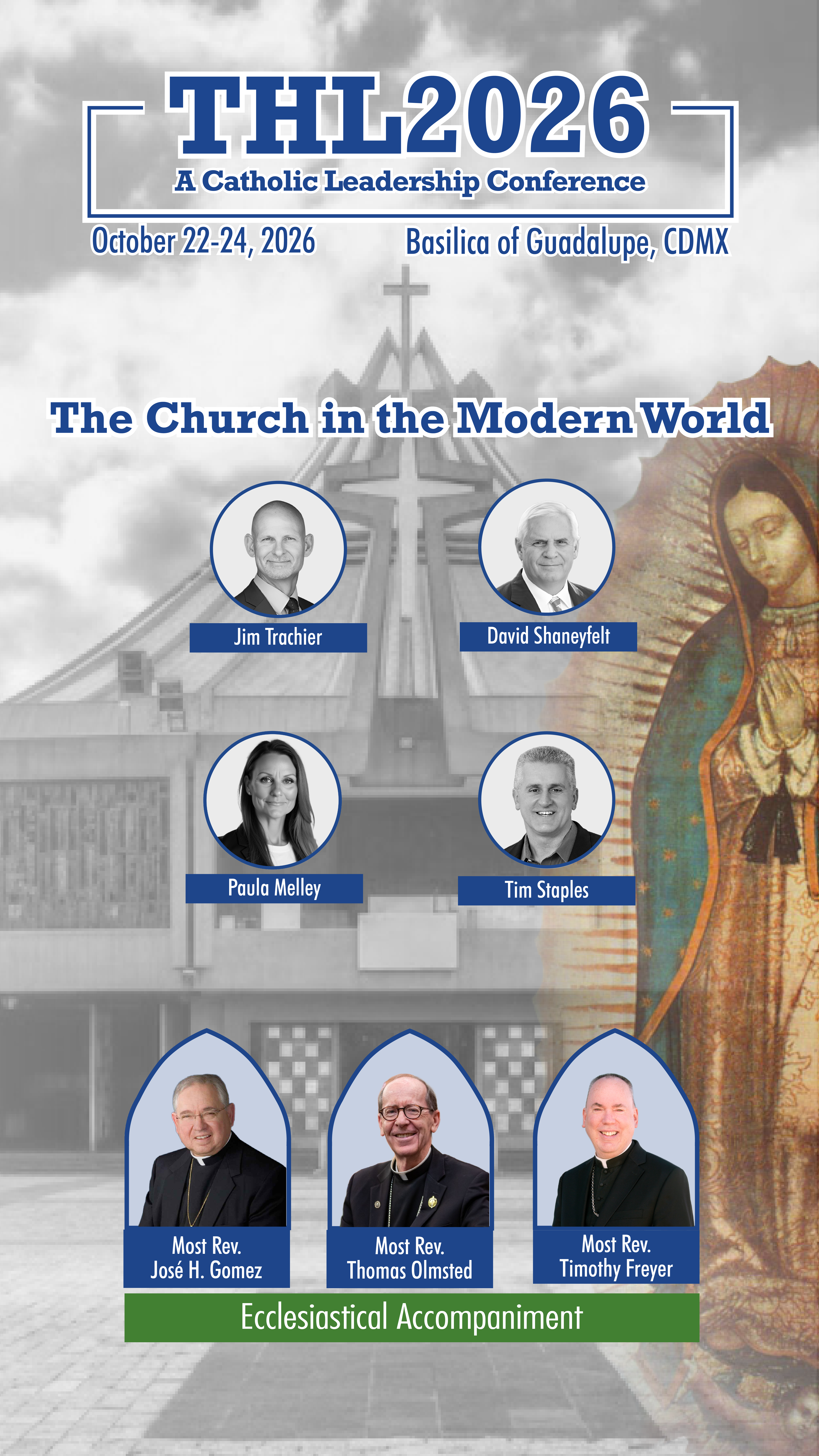
P.S. Descubra o local onde Nossa Senhora de Guadalupe apareceu a São Juan Diego. Veja a sua imagem. E participe com o Arcebispo José Gómez, o Bispo Thomas Olmsted e o Bispo Timothy Freyer no The Hour of the Laity 2026, na Cidade do México.