Table of Contents
In the modern marketplace, busyness is routinely worn as a badge of honor. Corporate culture thrives on an endless loop of metric expansion, perpetual project creep, and the quiet tyranny of the 24/7 notification ping. We are conditioned to believe that more activity equates to more value, that packed calendars signal high performance, and that slowing down is the ultimate professional sin. Yet, this relentless momentum often leads straight to institutional bloat, fractured focus, and severe employee burnout.
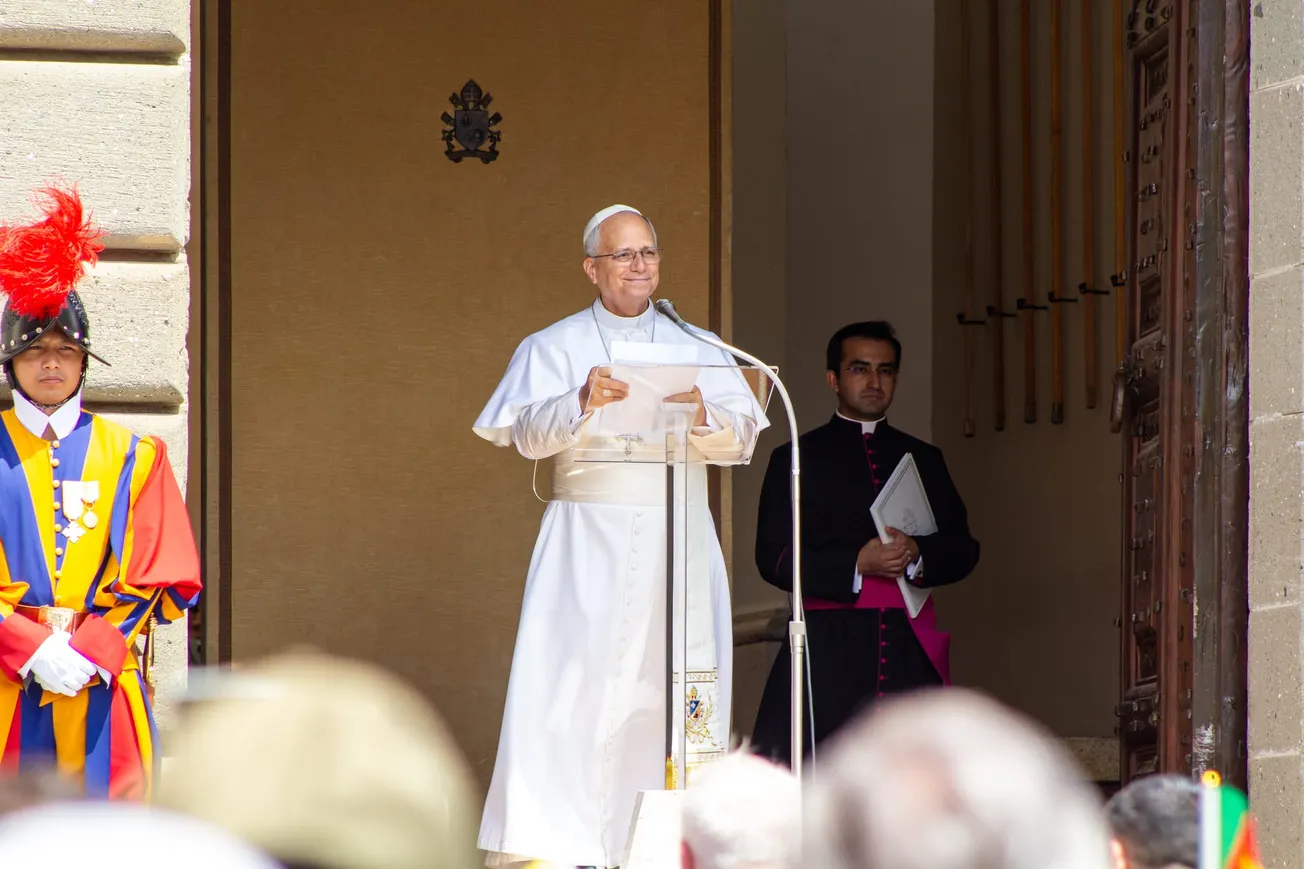
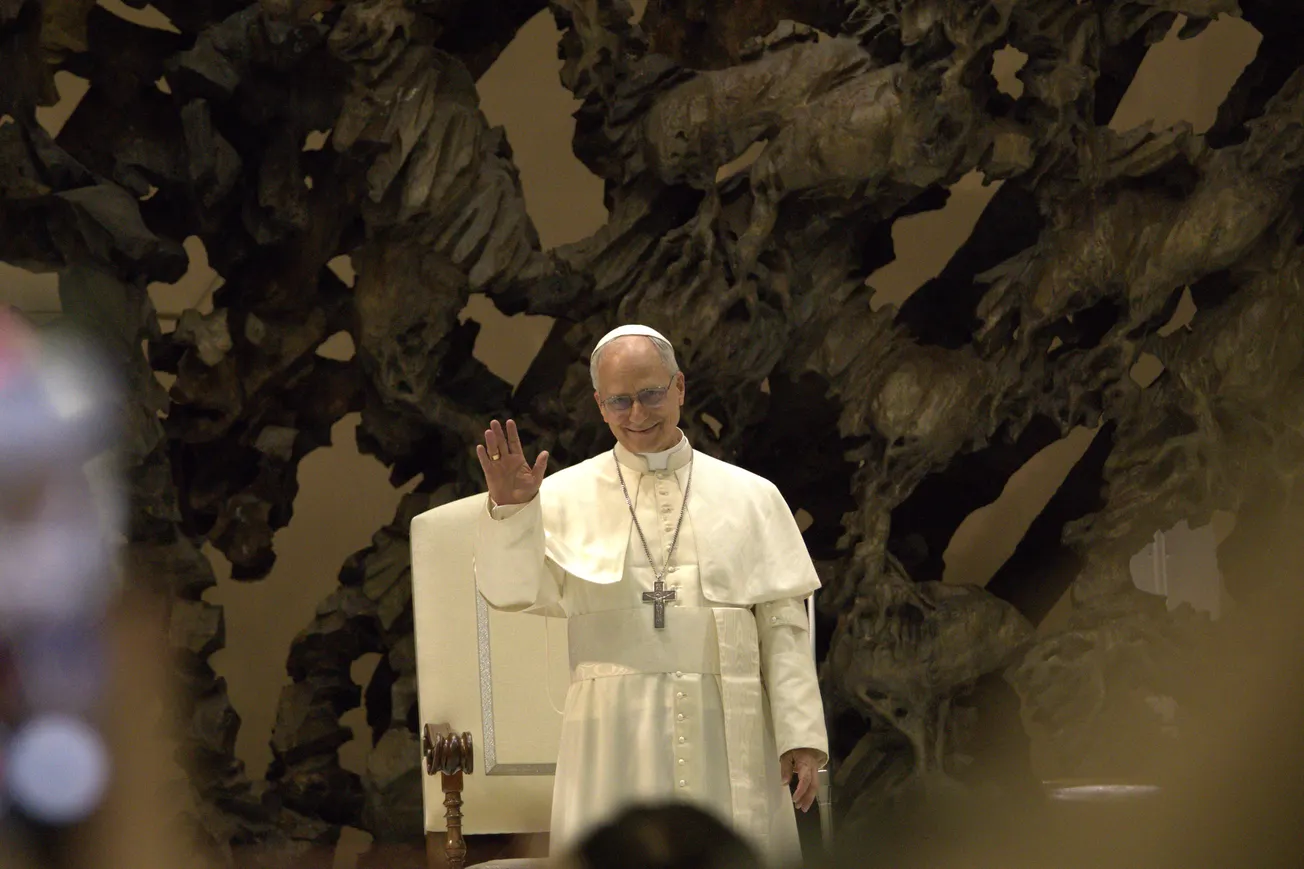
At the opening of the new pastoral year for the Diocese of Rome, Pope Leo XIV offered a striking antidote to this hyper-active treadmill. Challenging local leadership to evaluate their structures, the Holy Father urged a deliberate shift in perspective, advising leaders to “do less and do it better”. While addressed to a pastoral assembly, this wisdom cuts straight to the heart of the modern professional dilemma, providing Catholic executives, managers, and knowledge workers with a blueprint for a profound counter-cultural audit.
The Trap of Performative Productivity
In corporate life, organizations accumulate tasks and initiatives the way an attic accumulates boxes. New software rollouts, endless recurring alignment meetings, and overlapping reporting requirements stack up over the years. Rarely does anyone stop to ask whether these activities serve a true purpose, because everyone is simply running faster on the corporate hamster wheel.
This environment breeds a culture of performative busyness where people are rewarded for looking occupied rather than producing meaningful results. For the Catholic professional, this structural disorder conflicts directly with the virtue of prudence. Prudence is not merely about getting things done, but rather about right reason applied to action, knowing what matters most and discarding what distracts from the core mission.
When Pope Leo XIV called for an honest institutional evaluation, he invited leaders to look past mere organization or longevity, and ask the hard, foundational questions: Why are we doing this? What real need are we meeting?
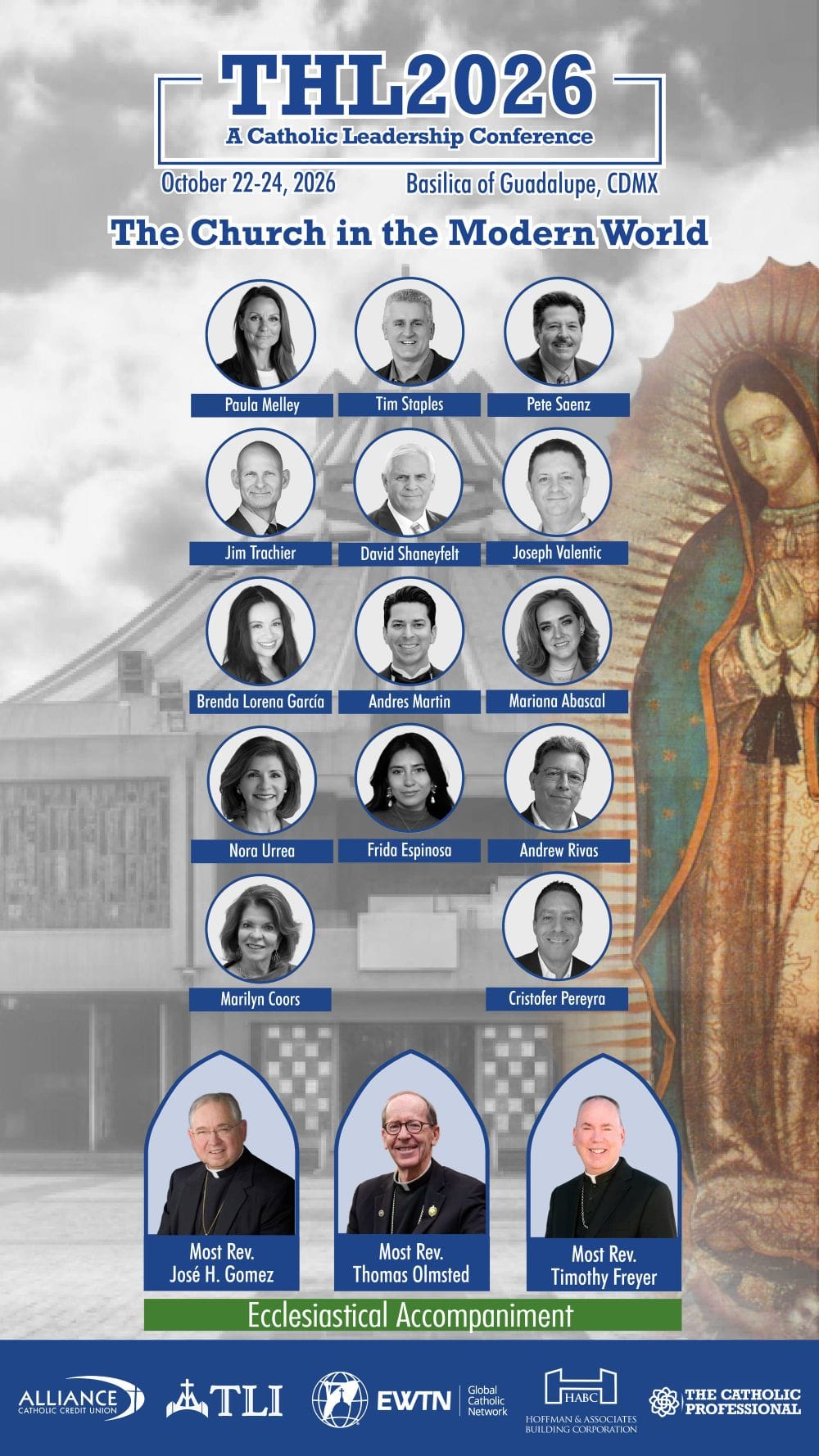
Ad: Discover the place where Our Lady of Guadalupe appeared to St. Juan Diego. See her image. And join Archbishop José Gómez, Bishop Thomas Olmsted and Bishop Timothy Freyer for The Hour of the Laity 2026 in Mexico City.
Practicing Discernment in the Boardroom
Translating this papal mandate into a corporate setting requires shifting our professional framework from output-obsessed accumulation to intentional stewardship. Here is what that looks like in practice:
First, it demands an active audit of our commitments. Just as the Pope challenged leaders to assess whether their initiatives genuinely foster community and encounter, Catholic professionals must evaluate their projects against true human flourishing. Does this quarterly initiative serve the dignity of the team, or is it bureaucratic busywork designed to satisfy middle-management anxiety?
Second, it means confronting the illusion of indispensability. Driven professionals often struggle to step back because they fear that dropping a task signals weakness or lack of dedication. Yet, true Christian leadership recognizes human limits. Accepting that we cannot do everything, and intentionally pruning redundant tasks, allows us to focus our energy where it actually bears fruit.
The Sabbath Principle in Professional Life
At its core, the command to "do less and do it better" echoes the divine wisdom of the Sabbath. God instituted a rhythm of rest not because He grew tired, but to remind humanity that creation depends on His providence, not our perpetual labor.
When we refuse to step off the productivity treadmill, we implicitly signal that the success of the enterprise rests entirely on our shoulders. By embracing strategic restraint, cutting the noise, stripping away empty hustle, and focusing with excellence on what is truly essential, we honor both our human limits and our professional vocations. We discover that doing less, when done with deep integrity and purpose, ultimately yields far greater fruit for both the marketplace and the soul.
P.S. Join Archbishop José Gómez, Bishop Thomas Olmsted and Bishop Timothy Freyer for The Hour of the Laity 2026 in Mexico City. In the videos bellow you will see what they have to say about THL2026.
Ad: Tepeyac Leadership’s Leadership for the World is a $2 million, three year mission to form lay Catholic leaders for the public square. Without formation, others fill the void. Will you step in or step aside now, when it matters most?