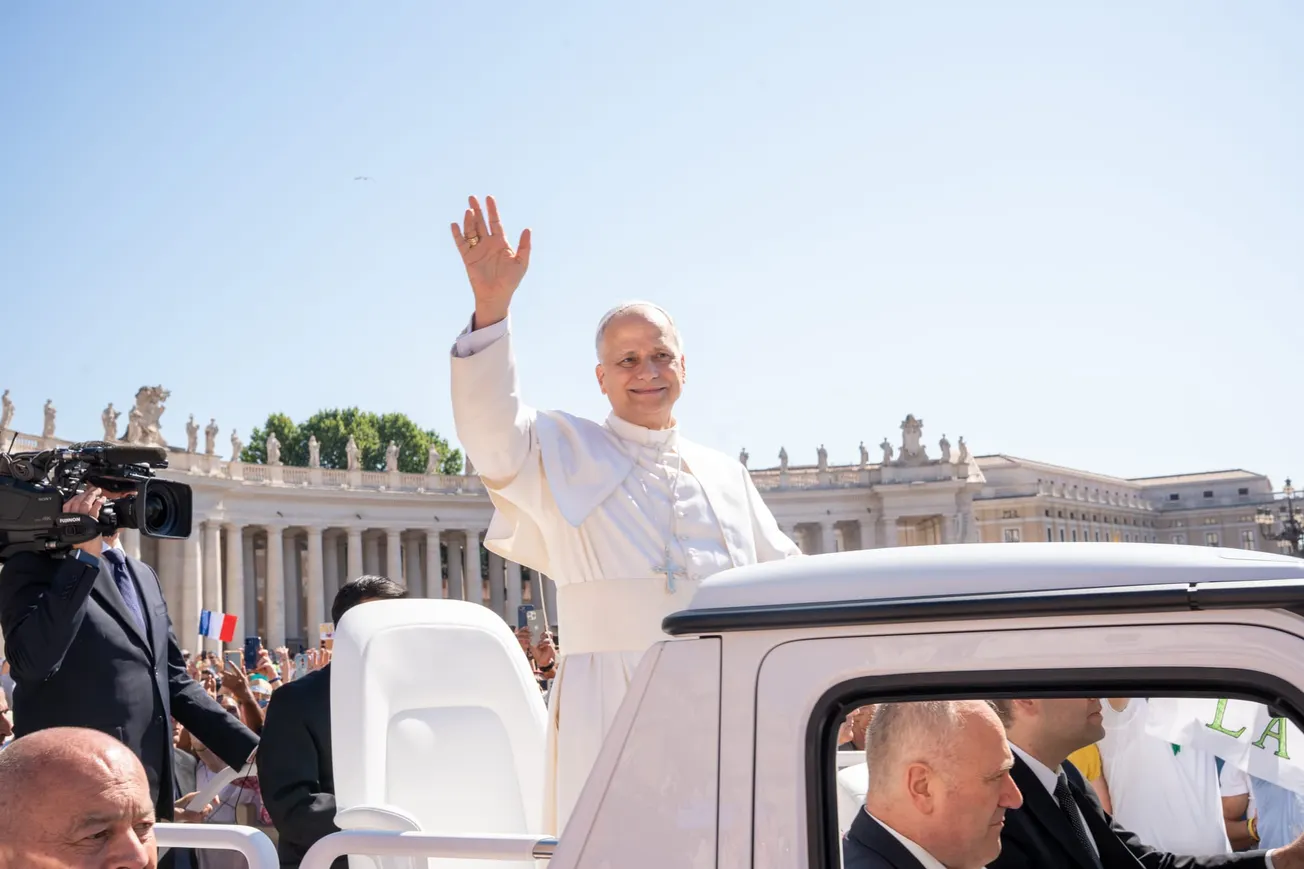
In a message to participants in the global meeting of The Economy of Francesco, Pope Leo XIV offered a vision of entrepreneurship deeply rooted in faith and Christian social teaching. He stated that to be a good entrepreneur or economist one must first strive to understand what he called the divine economy.
Meaning of Divine Economy
When Pope Leo speaks of the divine economy, he invites business leaders and professionals to recognize economic activity not simply as a mechanical process of production and profit, but as part of God’s plan for the dignity and flourishing of every human being. The economy is not an end in itself. It is an essential yet partial aspect of the social fabric through which God’s plan of love unfolds.
This divine economy imagines business as an instrument of solidarity and human dignity. When enterprise is ordered toward the common good, it becomes an engine of hope, ordered towards human flourishing.
Entrepreneurship as Vocation
For Catholic professionals, this understanding challenges a purely profit driven mindset and elevates entrepreneurship into a true vocation. Pope Leo reminded entrepreneurs and leaders that business is never simply business. He urged them to ask fundamental questions. Where are we going, for whom are we working, and what purpose guides our actions. Are we building up human dignity and serving the common good, or simply maintaining structures that diminish it.
Such reflection demands conscience, courage, and moral clarity. The Pope calls on leaders to resist reducing people to mere instruments within economic systems. Rather, every employee and every collaborator must be recognized as a person created in the image of God, deserving respect, fairness, and opportunities for growth.
Preferential Care for the Vulnerable
Continuing the tradition of the Church’s social doctrine, Pope Leo emphasized the need to uphold just wages, dignified working conditions, and respect for the sacredness of labor. He warned against systems that concentrate wealth in the hands of a few while leaving many in precarious conditions. He insisted that the modest livelihood of the least privileged must be regarded as sacred and must not be endangered by unjust practices.
The Pope offered the example of Enrique Shaw, an Argentine business leader whose life showed how industry can become a true community of persons growing together. Shaw promoted fair wages, education, healthcare, and support for workers and their families. His model reflects the spirit of the divine economy, where enterprise becomes a channel of charity and justice.
Work Grounded in Prayer and Gospel Vision
Pope Leo also stressed the importance of spiritual nourishment for those who lead in the economic sphere. Prayer, Scripture, and openness to the voice of God are essential. The Christian entrepreneur must allow the Gospel to shape his or her vision, choices, and priorities. When economic life is rooted in prayer, it becomes aligned with divine love and divine justice.
Why This Matters for Catholic Professionals
As Catholic professionals, we stand at a crossroads of influence, responsibility, and vocation. The words of Pope Leo challenge us to examine whether our ambitions serve only ourselves or whether they participate in God’s mission in the world.
To embrace the divine economy means seeking growth and innovation without sacrificing human dignity. It means offering just wages, creating humane conditions of work, and fostering a culture where each person is valued. It means allowing our professional lives to become a witness to Christ in the marketplace.
In this light, entrepreneurship becomes far more than a career. It becomes a calling, a form of service, a path through which we help build a world that reflects God’s justice and love.
P.S. The date has been set for the 2nd Tepeyac Leadership Gala. Click below to register and mark your calendar to join us!