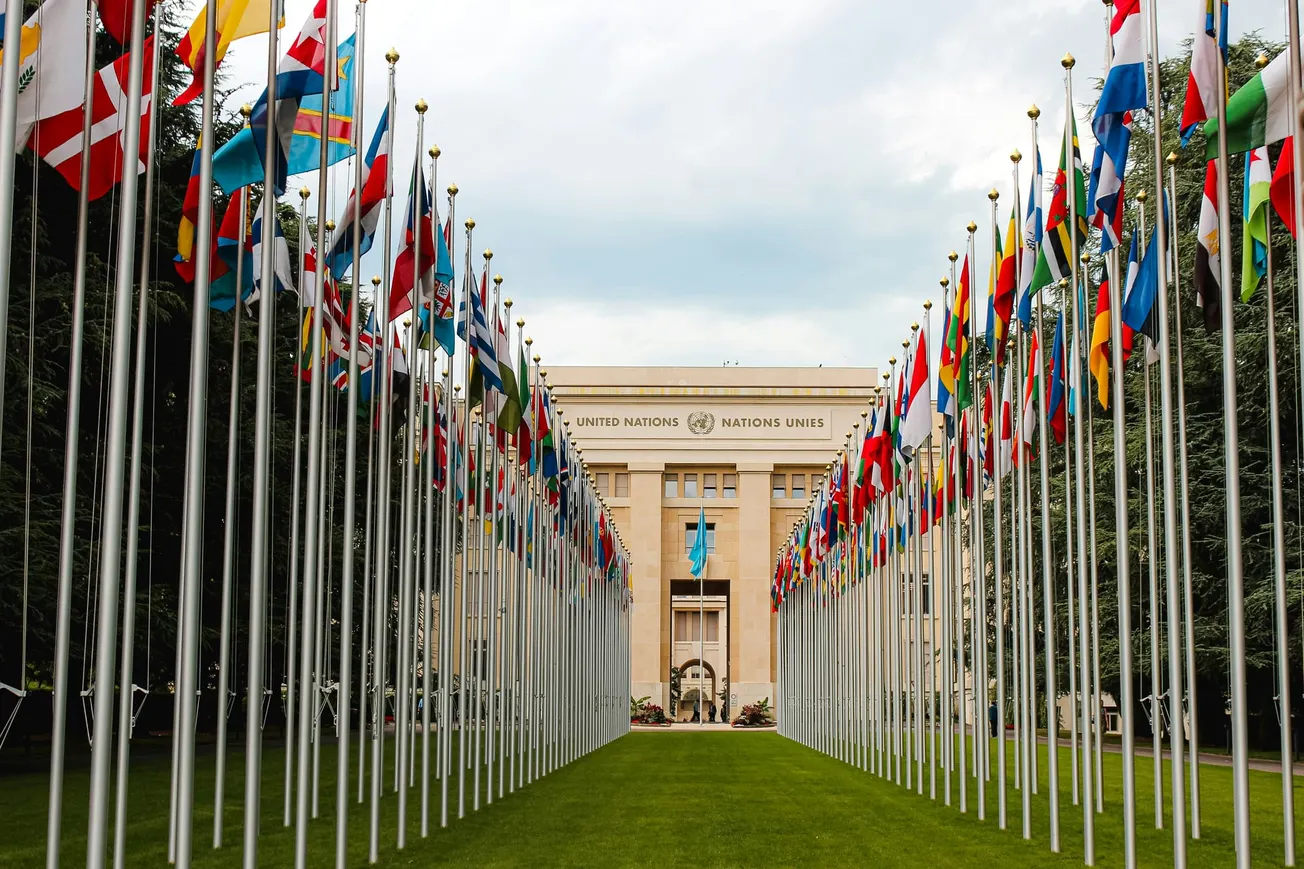
Walk the corridors of United Nations headquarters in New York this week, and you will hear a recurring buzzword echoing through the grand assembly halls, high-level plenaries, and cramped press rooms alike: trust.
The theme for the current General Assembly session, "Restoring Trust, Managing Transformation: A United Nations That Delivers for All," lays bare an uncomfortable truth acknowledged even by the world’s top diplomats. The multilateral system is suffering from a profound crisis of confidence. In an era marked by geopolitical polarization, institutional gridlock, and widespread cynicism, global bodies are struggling to convince the average citizen that international cooperation is anything more than empty rhetoric.
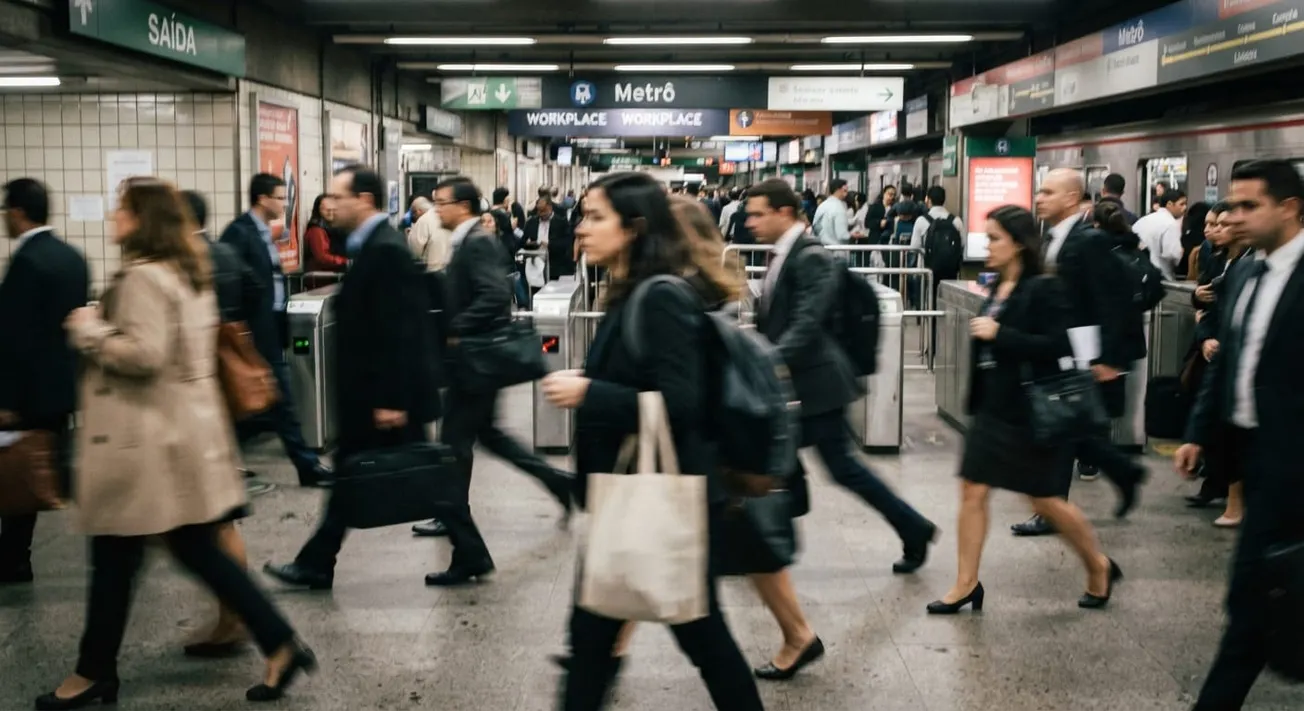
For Catholic professionals—whether navigating corporate boardrooms, public policy offices, legal chambers, or non-profit organizations—this diagnosis sounds painfully familiar. We live in a professional landscape paralyzed by similar fractures. We watch as institutional credibility collapses under the weight of bureaucracy, self-preservation, and ideological friction.
So, how do we rebuild trust when the structures designed to foster it are cracking? The answer does not lie in better public relations campaigns, smoother diplomatic communiqués, or more aggressive bureaucratic oversight. It requires returning to a bedrock principle of Catholic social teaching: that true institutional authority flows from moral legitimacy, radical accountability, and an unwavering commitment to the human person.
In secular governance, institutions often view trust as a top-down commodity to be managed or manufactured. Catholic leadership, by contrast, operates on the understanding that trust is earned horizontally through solidarity and subsidiarity. When organizations grow too large, too centralized, and too disconnected from the daily realities of the people they claim to serve, alienation inevitably follows. The United Nations system often mirrors this corporate and governmental pathology, becoming a fortress of technocratic consensus that feels entirely foreign to the communities it impacts most.
To restore trust, leaders in both international diplomacy and the local workplace must embrace three fundamental shifts rooted in our faith.
Ad: Discover the place where Our Lady of Guadalupe appeared to St. Juan Diego. See her image. And join Archbishop José Gómez, Bishop Thomas Olmsted and Bishop Timothy Freyer for The Hour of the Laity 2026 in Mexico City.
First, we must reject the trap of focusing inward. Too often, organizations begin to serve their own survival rather than their mission. A healthy Catholic professional ethos demands transparency and humility. It requires acknowledging failure openly rather than masking structural deficiencies behind polished corporate language.
Second, we must restore the principle of subsidiarity. Trust is rebuilt when decisions are pushed to the lowest practical level, empowering individuals and local communities rather than imposing heavy-handed, one-size-fits-all mandates from distant capitals or international headquarters. When people feel heard and respected in their immediate spheres, confidence in broader cooperative structures naturally follows.
Finally, we must anchor our work in an authentic vision of the common good. Trust is ultimately a moral ecosystem. It cannot survive in a vacuum of radical individualism or transactional utility. When leadership is driven by a genuine concern for human flourishing—protecting the vulnerable, honoring commitments, and prioritizing integrity over expediency—people notice.
As the debates in New York continue to search for formulas to fix a struggling global order, Catholic professionals have an opportunity to model a different way forward. We are called to bring the timeless wisdom of the Church into our secular vocations, demonstrating that true leadership is never about wielding power from above, but about serving with humility, justice, and truth from within.
Ad: Tepeyac Leadership’s Leadership for the World is a $2 million, three year mission to form lay Catholic leaders for the public square. Without formation, others fill the void. Will you step in or step aside now, when it matters most?