Sanctifying the World Series
In a world increasingly shaped by technology, robotics engineers and automation specialists stand at the forefront of innovation, designing, programming, and maintaining systems that transform how we live and work. For Catholic professionals, this field is not only an opportunity to excel intellectually and technically, it is a vocation to serve the common good, using human creativity to enhance productivity, safety, and quality of life. Every robot designed, every automated process implemented, every system maintained can reflect a commitment to human flourishing, careful stewardship of resources, and ethical responsibility.
Robotics and automation occupy a unique place where imagination, engineering, and service intersect. Specialists in these fields work tirelessly to create solutions that make industries safer, more efficient, and more reliable. Their work is grounded in problem-solving, precision, and innovation, yet it is also an opportunity to reflect the dignity of human work and the principles of Catholic social teaching. In a sense, the engineer’s workshop becomes a place of co-creation, where human intelligence is exercised in the service of society.
As industries adopt increasing automation, the demand for skilled professionals grows rapidly. From manufacturing plants and logistics operations to healthcare and agriculture, robotics engineers are designing machines that assist humans, reduce dangerous labor, and improve productivity. Catholic professionals in this field can see their work as an extension of the corporal work of mercy, protecting lives by reducing occupational hazards, improving efficiency to meet human needs, and creating tools that serve rather than dominate people.
Ethics and responsibility are central to this vocation. The Church teaches that technological development should respect human dignity and promote the common good. Robotics engineers must carefully consider how their designs affect workers, communities, and society at large. Ensuring that automation complements human labor rather than replaces it entirely, promoting accessibility and safety, and integrating ethical decision-making into the design process are all ways that faith can guide professional practice. In this way, technical expertise and moral discernment go hand in hand.
Moreover, robotics and automation offer profound opportunities for holistic impact. Engineers can address pressing societal challenges, from improving medical devices to developing assistive technologies for people with disabilities. Automation can free humans from repetitive or dangerous tasks, creating space for more creative, thoughtful, and meaningful work. For Catholic professionals, these contributions transform technical skill into an instrument of service, reflecting God’s call to build a world that respects human dignity and nurtures human potential.
The vocation of a robotics engineer or automation specialist invites reflection on the spiritual dimension of work. As St. John Paul II emphasized, human labor is a way to participate in God’s ongoing creation and to shape the world according to His plan. Every system programmed, every robotic arm tested, every automated process perfected becomes a small act of co-creation with God, using reason, creativity, and skill to serve humanity. The profession is therefore more than technical achievement, it is a way to sanctify daily work, to align professional effort with divine purpose, and to witness to the dignity of human innovation.
For Catholic professionals considering this path, the invitation is clear, pursue technical excellence, integrate ethical responsibility into every project, and embrace the opportunity to sanctify your work. In designing, programming, and maintaining robotic systems, faith and innovation meet, and through this integration, the world can be quietly transformed and elevated for the good of all.
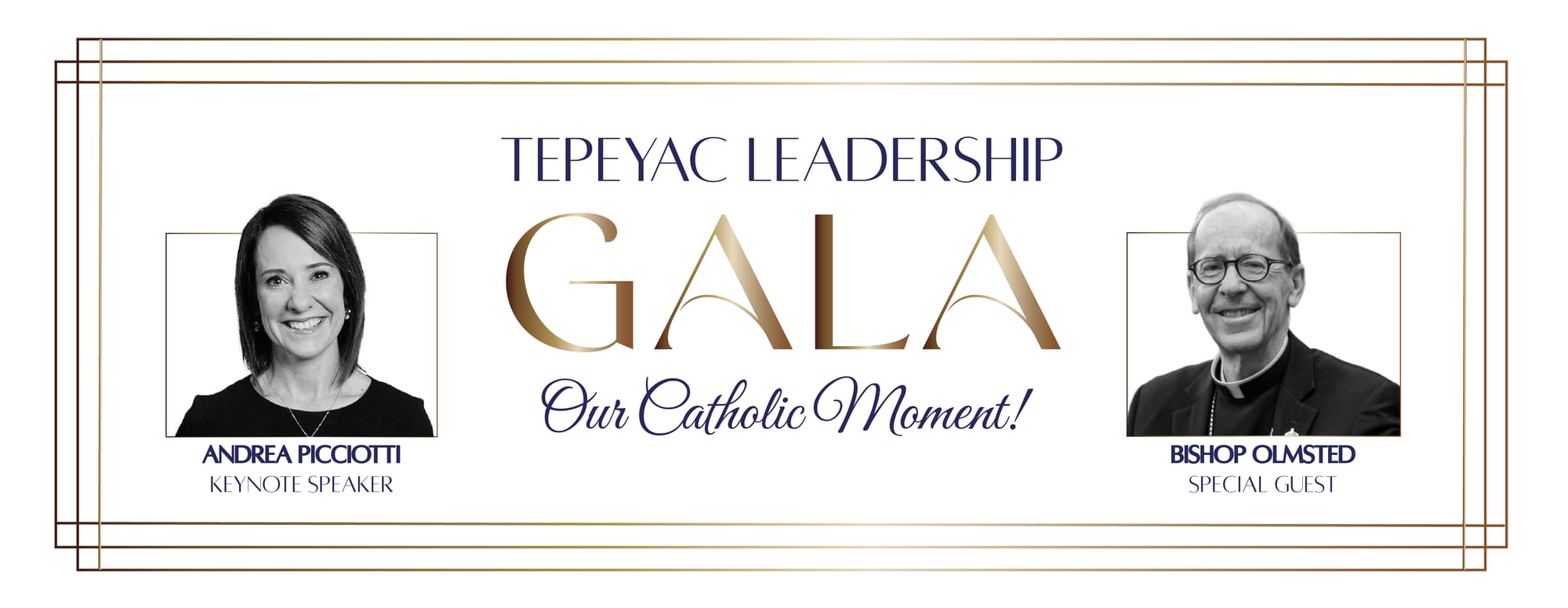
P.S. The date has been set for the 2nd Tepeyac Leadership Gala. Click below to register and mark your calendar to join us!