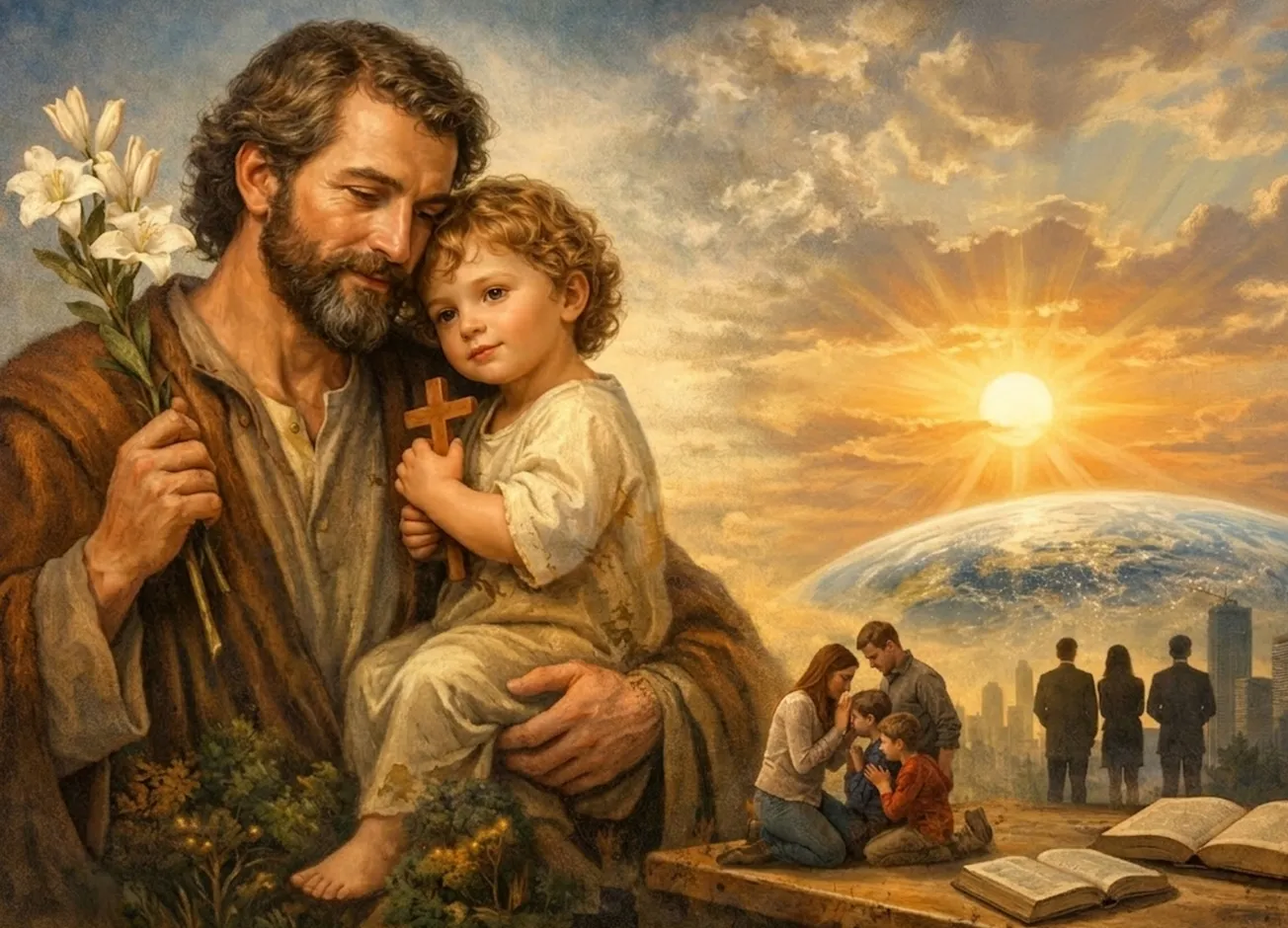
For Catholic professionals, spiritual growth is not reserved for monasteries, seminaries, or retreat centers. It is meant to unfold in conference rooms, commutes, family dinners, deadlines, and decisions. The Church teaches that holiness is a universal call, and for the lay faithful, that call is lived precisely through ordinary responsibilities. Spiritual growth, therefore, is not an escape from professional life, but the gradual shaping of the soul within it.
Many professionals desire a deeper spiritual life but feel constrained by time, pressure, and fatigue. The temptation is to postpone formation until life becomes quieter. Yet the Gospel never suggests waiting for ideal conditions. Christ meets us where we are, and formation happens when daily life becomes the place of encounter with God.
Growth Begins With Intention
Spiritual growth starts with a conscious decision to take one’s interior life seriously. This does not require dramatic changes, but it does require priority. Without intention, spiritual growth becomes accidental and inconsistent. Catholic professionals must decide that prayer, virtue, and sacramental life are not optional extras, but foundations.
This intention is expressed in simple choices. Setting aside time for prayer, protecting Sunday as a day ordered toward worship and rest, and resisting the tendency to let work consume every margin of life are all acts of formation. They shape the heart over time.
Prayer Anchored in Real Life
Prayer for the everyday professional must be both realistic and consistent. Long hours of contemplation may not be possible, but regular contact with God is. Morning offering, brief moments of silence, Scripture reading, and examination of conscience are powerful when practiced consistently.
Prayer should not be disconnected from work. Bringing decisions, frustrations, successes, and failures into prayer allows grace to penetrate professional life. Over time, this integration forms a habit of discernment and trust.
The Sacramental Life as Sustenance
The sacraments are not rewards for the spiritually accomplished, but nourishment for those striving to be faithful. Regular participation in the Eucharist and frequent confession are central to spiritual formation. They restore perspective, humility, and strength.
For professionals carrying responsibility and influence, the sacraments also purify intention. They remind leaders that authority is stewardship and success is ultimately measured by faithfulness.
Virtue in the Workplace
Spiritual formation is inseparable from virtue. Patience under pressure, honesty in communication, courage in ethical decisions, and charity toward difficult colleagues are not merely professional skills. They are spiritual disciplines.
Growth in virtue often occurs slowly and invisibly. It requires repeated choices, self correction, and reliance on grace. The workplace becomes a training ground where the soul is refined through ordinary challenges.
Community and Accountability
No one is formed in isolation. Catholic professionals benefit from relationships that support both faith and vocation. This may include a spiritual director, a small group, or trusted friends who share a commitment to Christ.
Community provides encouragement and correction. It helps prevent the compartmentalization of faith and work and sustains perseverance during demanding seasons.
Ongoing Conversion
Spiritual growth is not a project with an endpoint. It is a lifelong process of conversion. Professional success does not eliminate the need for humility. Experience does not replace dependence on God.
Each stage of life brings new temptations and new graces. Remaining teachable before God allows professionals to grow in wisdom as well as competence.
Spiritual growth for the everyday professional is ultimately about becoming a person whose work flows from a life rooted in Christ. When prayer, virtue, and sacramental life quietly shape daily actions, professional life itself becomes a path to holiness. In this way, ordinary work becomes extraordinary in grace, and the world is sanctified from within.
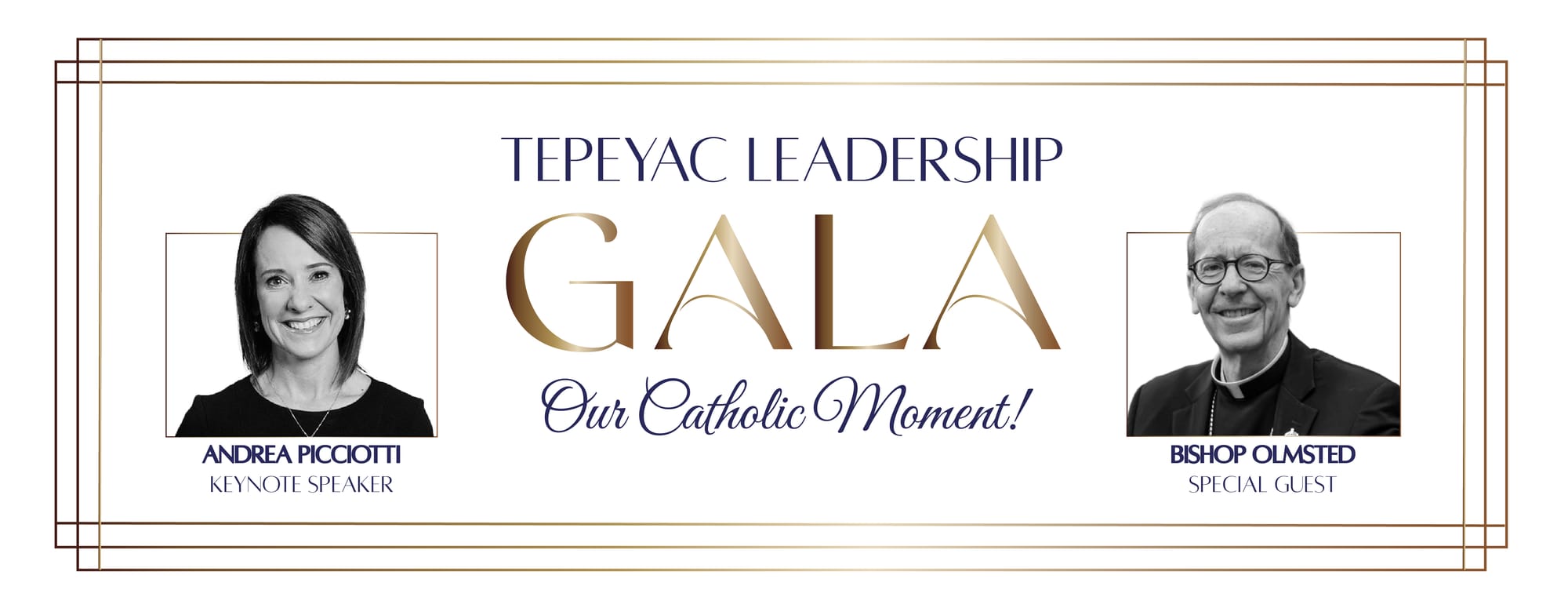
P.S. The countdown is on for the 2nd Tepeyac Leadership Gala, secure your tickets today by clicking below!