

Addressing Fear Of Better Options at Work
Addressing technostress and FOBO ultimately requires courage at the leadership level. It means resisting trends that treat burnout as normal and insecurity as motivation.
Addressing technostress and FOBO ultimately requires courage at the leadership level. It means resisting trends that treat burnout as normal and insecurity as motivation.

As the global order shifts, Catholics are called to lead where they are, striving for a world that is more humane, more just, and more faithful to the truth about the human person.

Short form video, authenticity, and focused communities can become instruments of evangelization and leadership when approached with discernment.
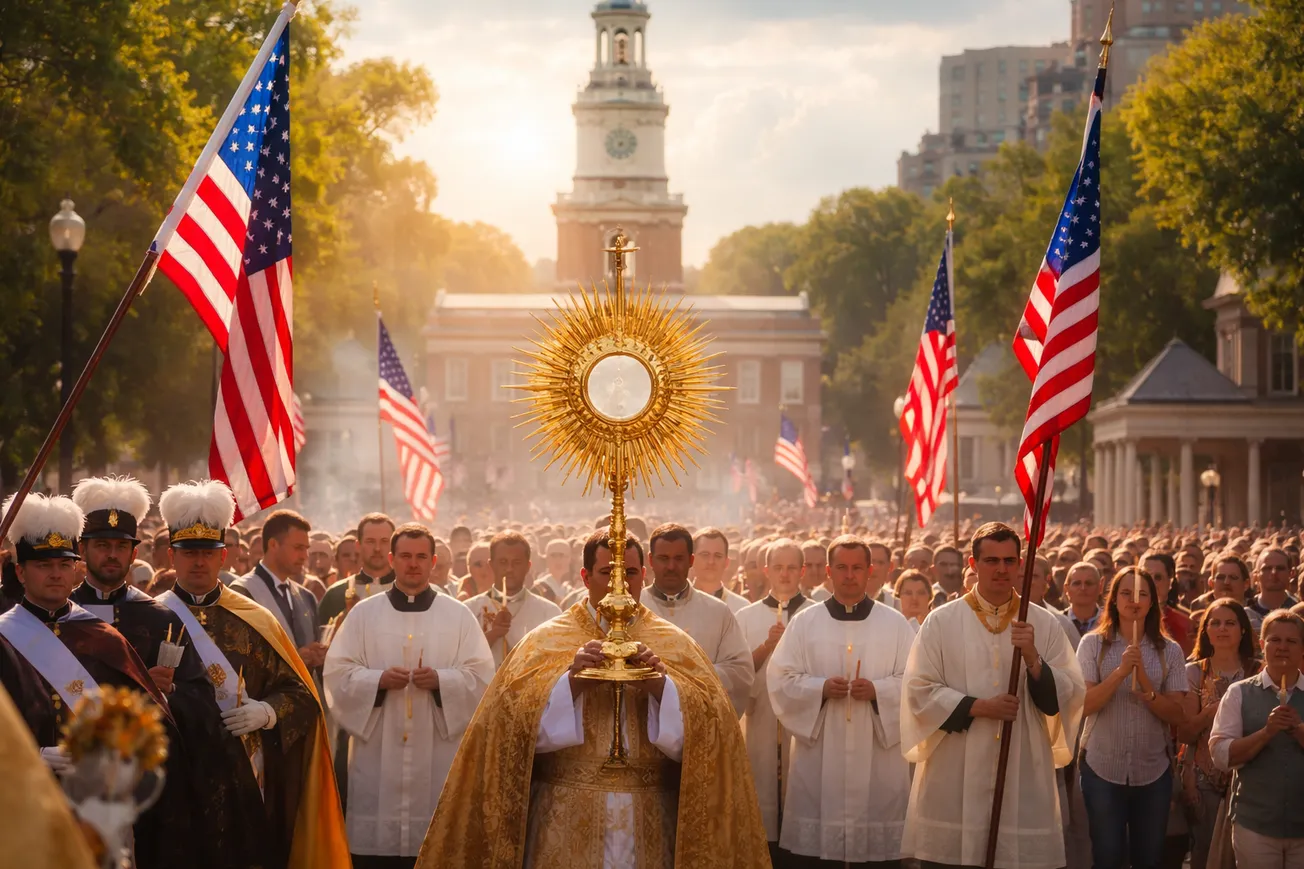
The pilgrimage will conclude in Philadelphia with Eucharistic adoration on July 4, a closing Mass at the Cathedral Basilica of Saints Peter and Paul, and a final procession to the National Shrine of Saint John Neumann.
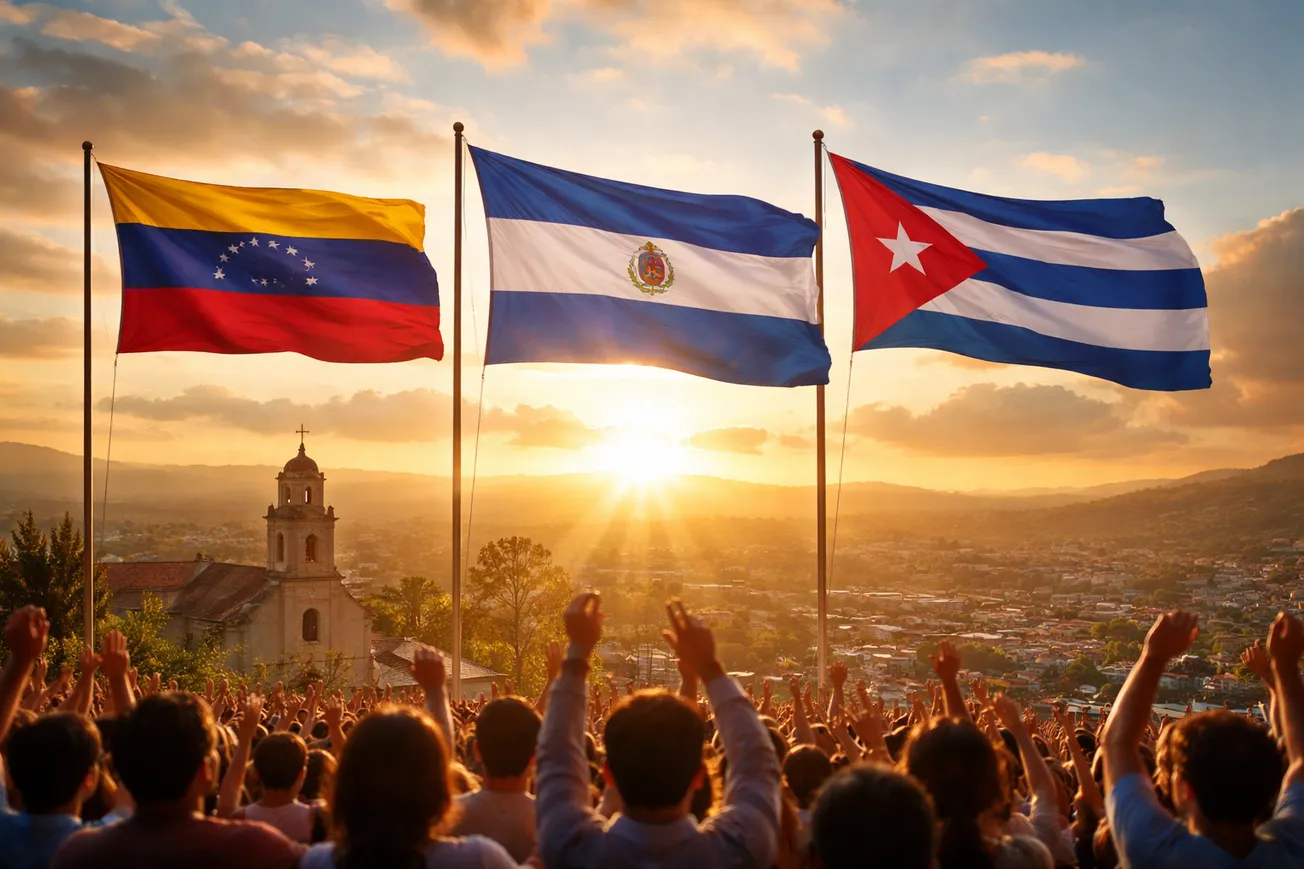
As we pray for Venezuela, Nicaragua and Cuba, may we also commit ourselves to being faithful witnesses of hope, convinced that even the gentlest breeze of renewal can, by God’s grace, become a force that transforms nations.

Without that orientation toward the good, we may see great accomplishments, impressive structures, and sweeping influence, but these are not leadership in the truest sense.

What makes Catholic USD novel is not simply that it is a digital currency, but that it explicitly links blockchain finance with Catholic charitable aims.
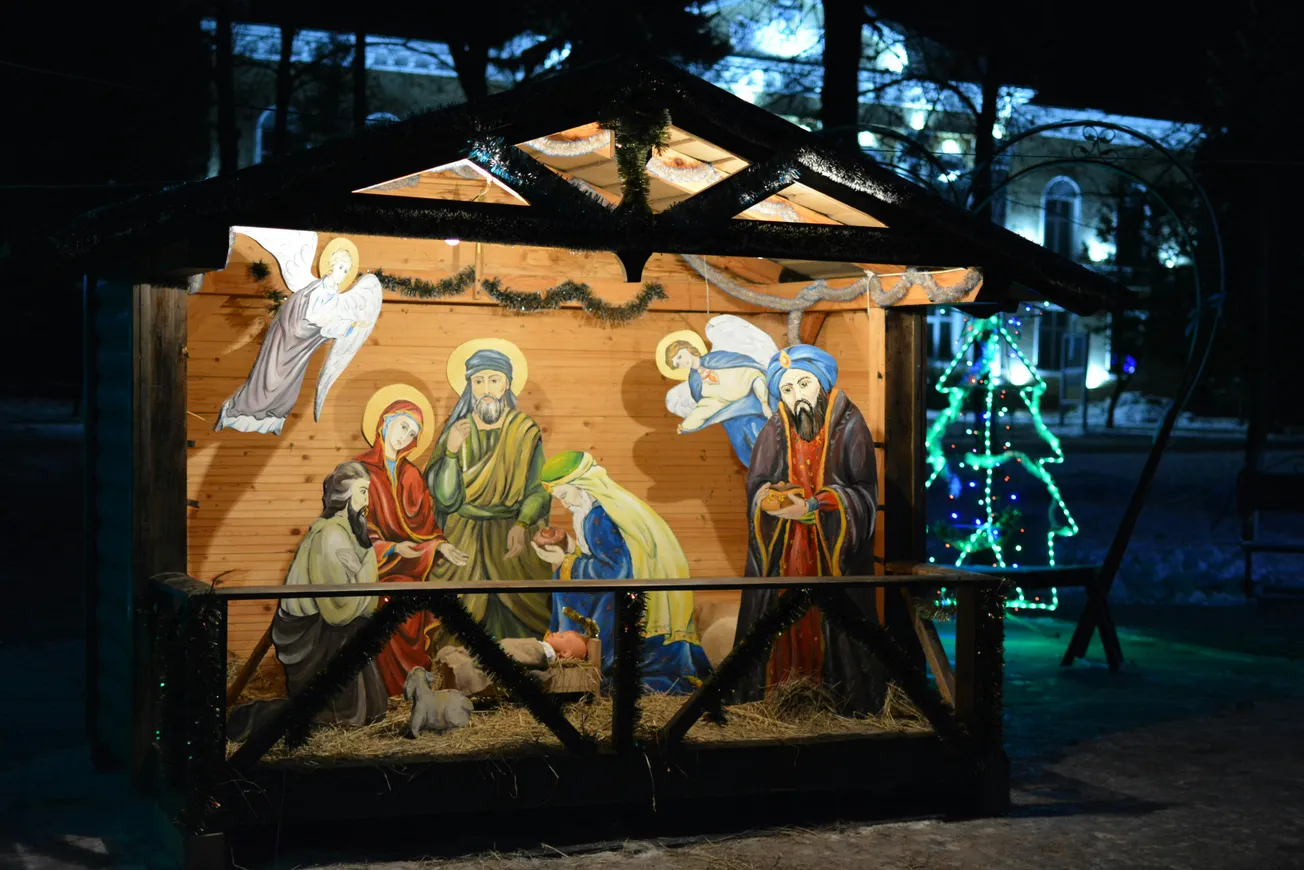
Catholic professionals are invited to examine whether their faith truly shapes their decisions, leadership, and priorities. The Epiphany challenges any separation between worship and work.

Professional skill and Christian charity meet when we build workplaces where dignity and mutual respect flourish.

For Catholic professionals, growing in financial wisdom is a way of sanctifying daily work and ordinary decisions.

As the United States marks 250 years of its founding, Catholics are called to bring memory, meaning, and hope to the celebration.

As the year begins Catholic leaders are invited to renew their yes to Christ in the public square workplace and home.

We are profoundly grateful for your commitment, prayers, and generosity. As members of the TLI family, your witness sustains us and inspires us to continue our work with energy and conviction.

Together, these six leaders show that the call to sanctify the world is not abstract. It is lived through decisions, institutions, habits of integrity, and steady fidelity to Christ.

To live the Octave of Christmas well is to resist haste and choose wonder. It is to allow joy to mature into faith and celebration to deepen into conversion.
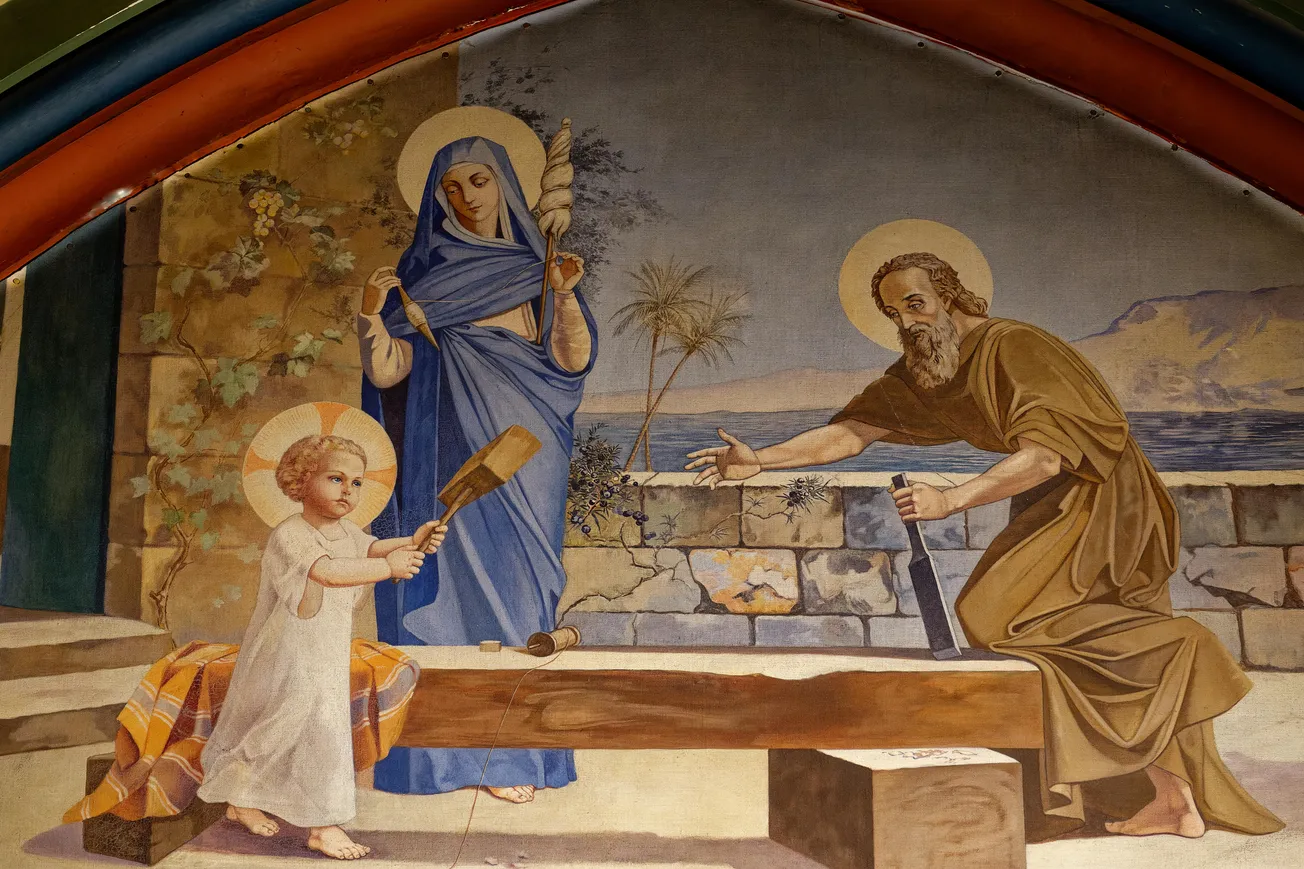
The Feast of the Holy Family is more than a devotional observance; it is a call to live faith in concrete, everyday ways. Catholic professionals are invited to emulate Joseph’s quiet strength, Mary’s attentive care, and Jesus’ faithful obedience.