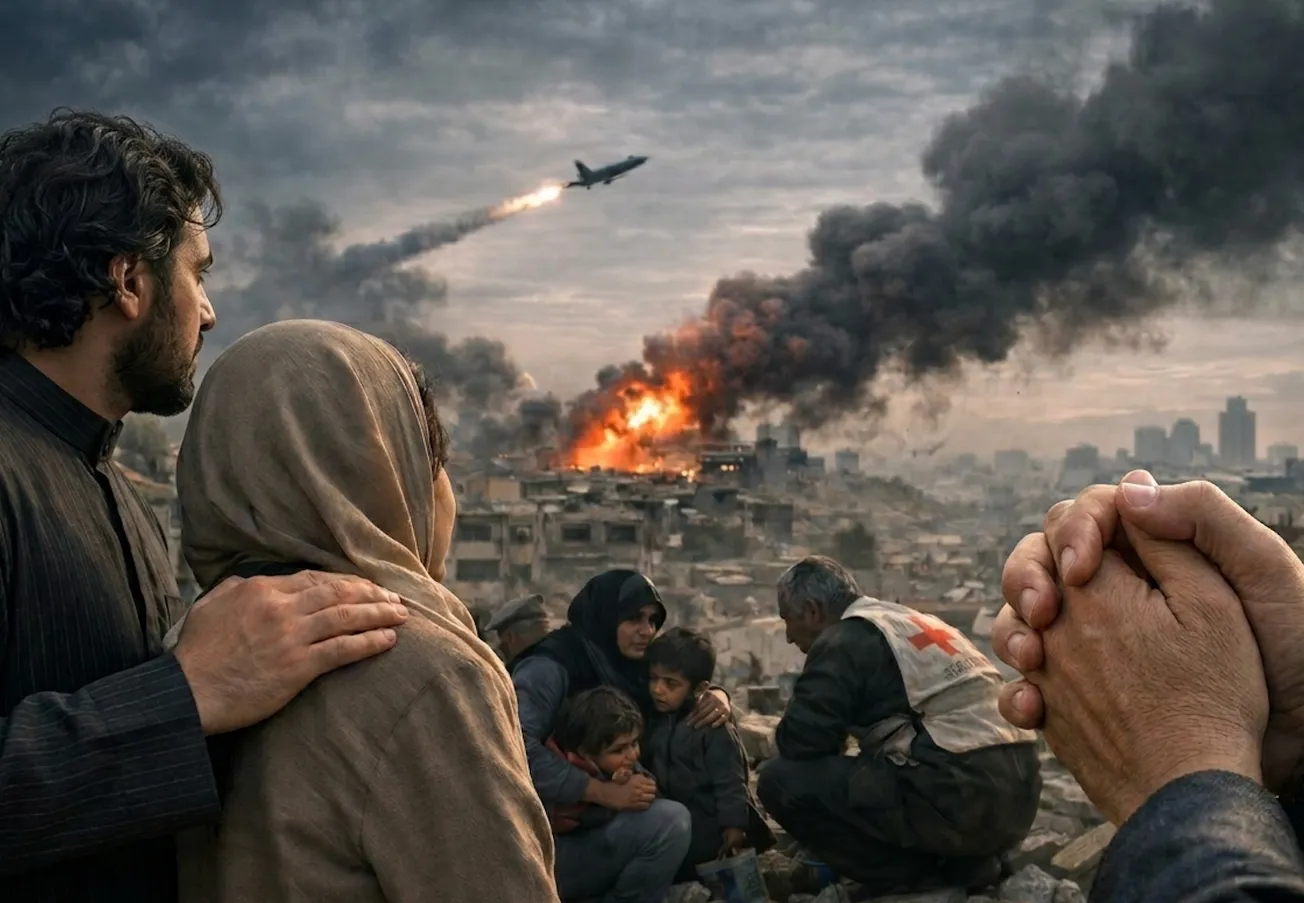
In March 2026, the International Theological Commission of the Vatican released a major document titled Quo vadis, humanitas? Thinking about Christian anthropology in the face of some scenarios for the future of humanity. Written in the context of rapid technological transformation, the text reflects on how artificial intelligence, biotechnology, digital culture, and new philosophical movements are reshaping the way society understands the human person.
The central question posed by the document is simple but profound. In a world of unprecedented technological capability, where exactly is humanity going? The answer offered by the Church is not a rejection of scientific progress, but a call to rediscover the true meaning of the human person.
For Catholic professionals navigating modern workplaces and technological change, the document provides a framework for discernment that is both intellectually rigorous and spiritually grounded.
Human dignity as a gift, not a product
A central theme of the document is the affirmation that human dignity is not something constructed by technological progress or social consensus. Instead, it is a gift that precedes every human achievement.
The Church reminds us that human beings do not create their own value through performance, productivity, or technological enhancement. Our dignity flows from the fact that we are created by God and called into relationship with Him and with one another.
This vision challenges a growing cultural mindset that treats the human person as a project to be optimized or redesigned through technology. The document warns that when dignity becomes tied to intelligence, efficiency, or physical performance, society risks excluding the vulnerable and redefining what it means to be human.
For Catholic leaders, this means defending a view of the human person that places intrinsic dignity above utility, profit, or efficiency.
Technology and the temptation to redefine humanity
The Vatican text pays particular attention to emerging technologies such as artificial intelligence, biotechnology, and robotics. While acknowledging their potential benefits, the document cautions that technological progress can reshape how people think about themselves and their future.
Artificial intelligence, for example, increasingly influences decisions in areas such as finance, medicine, law, and even warfare. When algorithms replace human judgment in sensitive areas, the document warns that society risks losing accountability and moral responsibility.
At the same time, new philosophical movements such as transhumanism propose using technology to overcome biological limitations, including aging and even death. Posthumanist theories go even further, questioning whether the distinction between human beings and machines should remain meaningful.
The Vatican critiques these visions not because technology is inherently dangerous, but because they often reflect a deeper dissatisfaction with the human condition itself. Attempts to eliminate human limits can ultimately lead to rejecting the very meaning of being human.
Human life as vocation
One of the document’s most important contributions is its insistence that human life must be understood as vocation. The human person is not simply a self designed project or a biological machine to be improved. Each life is a call.
This understanding places freedom, responsibility, and relationship at the center of human identity. The human person discovers meaning not through technological perfection, but through relationships with God, with others, and with creation.
The document also emphasizes that authentic development must consider the common good. Technological progress should never widen inequality or concentrate power in ways that marginalize the poor or vulnerable.
A mission for Catholic professionals
For lay Catholic leaders, the document offers a clear vision. The future of humanity will not be determined by technology alone. It will depend on the moral and spiritual leadership guiding those who design, regulate, and implement new technologies.
Professionals in business, medicine, law, education, and public service therefore play a critical role in shaping the ethical framework of our technological age.
By defending human dignity, promoting responsible innovation, and keeping the common good at the center of decision making, Catholic leaders can help ensure that technological progress serves the human person rather than replacing him.
In the end, the question “Where are you going, humanity?” is not only addressed to society. It is addressed to each of us. The answer depends on whether our progress remains rooted in truth about the human person, revealed fully in Jesus Christ.
P.S. Last year, as guests arrived at the venue for the Tepeyac Leadership Gala, we asked them a simple but important question. Their answers were thoughtful, candid, and deeply hopeful for the future of our Church and our society. In the video below, you will see a compilation of their responses.