Organizational culture is often described in terms of values, policies, or shared habits. Yet beneath every culture lies something more fundamental. The moral character of the people who shape it. For Catholic professionals, this truth resonates deeply. Culture is not primarily built by slogans on a wall or strategic plans in a boardroom. It is built by persons striving to live virtuously in their daily work.
Virtue, in the Catholic tradition, is a stable disposition to do the good. It is not mere compliance with rules, nor is it a vague commitment to being nice. Virtue forms the interior life of a person and orders actions toward what is true and good. When individuals cultivate virtue, their decisions become consistent, trustworthy, and oriented toward the common good. When many individuals do this together, an authentic organizational culture emerges.
Prudence as the Guide of Decision Making
The four cardinal virtues offer a powerful framework for understanding culture in professional life. Prudence enables leaders and employees to discern the right course of action amid complexity. It resists impulsive decisions driven by pressure or fear and instead seeks wisdom, counsel, and clarity. An organization shaped by prudence values thoughtful processes, careful judgment, and long term vision over short term gains.
Justice and the Dignity of Every Person
Justice ensures that relationships within the organization are rightly ordered. It means giving each person what is due to them, whether that is fair compensation, honest feedback, or respect for their dignity. A just culture does not tolerate favoritism, exploitation, or deception. Catholic professionals recognize that every coworker, client, and stakeholder is a person made in the image of God, never merely a means to an end.
Fortitude in Times of Trial
Fortitude sustains organizations through difficulty. Every institution faces moments of trial such as economic uncertainty, public criticism, internal conflict, or moral pressure to compromise. Fortitude allows leaders and teams to remain steadfast in doing what is right even when it is costly. A culture formed by fortitude does not abandon its principles when challenged. Instead, it grows in credibility and moral authority.
Temperance and Sustainable Excellence
Temperance brings balance and freedom. In professional environments, excess can take many forms such as overwork, ambition detached from service, or an unhealthy obsession with results. Temperance orders desires and ambitions so that work remains integrated with family life, spiritual life, and rest. An organization marked by temperance respects human limits and fosters sustainable excellence rather than burnout.
The Theological Virtues in Professional Life
Beyond the cardinal virtues, the theological virtues give Catholic professionals a distinctive horizon. Faith shapes how work is understood as participation in Gods creative and redemptive plan. Hope anchors organizations in trust rather than anxiety, especially when outcomes are uncertain. Charity transforms professional relationships by placing love of neighbor at the center of leadership, collaboration, and service.
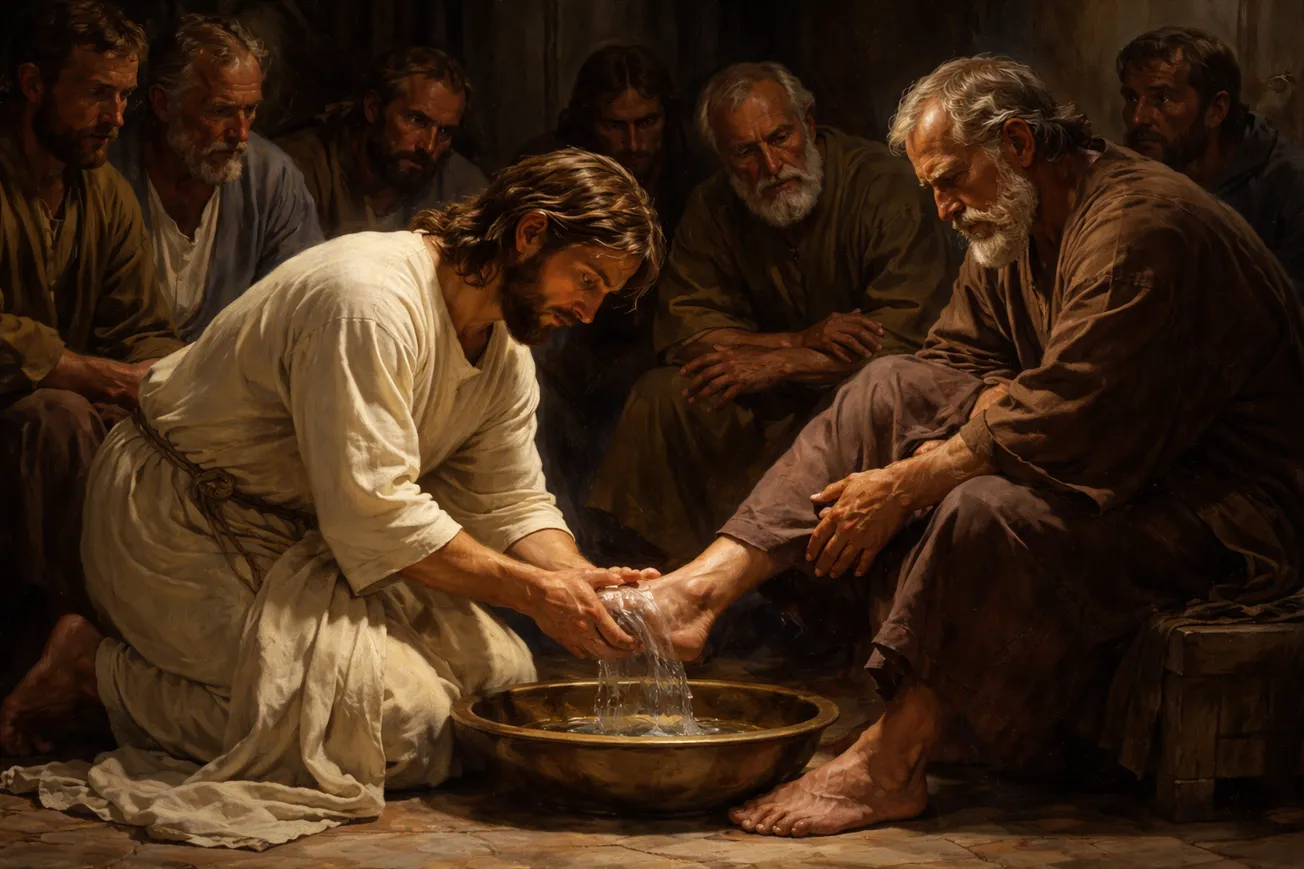
Importantly, culture is transmitted more by example than by policy. Employees quickly perceive whether leaders act with integrity or merely speak about it. A single virtuous leader can elevate an entire organization, just as a lack of virtue at the top can corrode even the most well designed systems. For this reason, the formation of personal virtue is not a private matter. It is a strategic and moral priority.
For Catholic professionals, the call is clear. To build healthy organizational cultures, we must first allow God to shape our own character. Through prayer, the sacraments, examination of conscience, and intentional moral formation, we become instruments of renewal in the workplaces entrusted to us. In this way, virtue becomes not only the foundation of organizational culture, but also a quiet and powerful witness to the Gospel in the world.
P.S. The countdown is on for the 2nd Tepeyac Leadership Gala, on March 28. Secure your tickets today by clicking below!