
In the fast-paced ecosystem of modern business, efficiency is often treated as the ultimate virtue. Deadlines loom, quarterly goals dictate strategy, and friction between colleagues is frequently brushed aside under the pragmatic banner of keeping things professional. When workplace conflicts flare up, whether through passive-aggressive email threads, bruised egos over a passed-over promotion, or ideological clashes on a project team, the corporate instinct is usually to sweep the tension under the rug and just keep moving forward.
For the Catholic professional, however, compartmentalizing professional relationships from spiritual reality is a dangerous illusion. This week our Jewish brothers and sisters observed the solemnity of Yom Kippur, a day dedicated entirely to accounting for wrongs and repairing broken human bonds. We can learn much from this, as it serves as a striking mirror for our own Christian calling. It challenges us to look closely at how we handle workplace fracture and demands a higher standard of authentic reconciliation.
The Wisdom of Teshuvah in the Boardroom
In Jewish theology, a foundational rule of the Day of Atonement is that divine mercy for offenses committed against another person cannot be unlocked until one has first gone directly to that person, apologized, and actively repaired the damage done. You cannot simply whisper an apology into the ether and expect a clean slate, because restitution must precede resolution.
This principle strikes at the heart of how Christian leaders and professionals ought to manage organizational culture. How often do we allow professional pride to prevent us from addressing a fractured working relationship? We tell ourselves that time heals all wounds, or that a shared project will eventually force cooperation. Yet, unaddressed grievances fester, turning healthy professional disagreement into toxic silos and office politics.
In the Sermon on the Mount, Christ echoes this exact priority with startling directness: "If you are offering your gift at the altar and there remember that your brother has something against you, leave your gift there before the altar. First go and be reconciled to your brother, then come and offer your gift" (Matthew 5:23–24). Notice the sequence. Worship, productivity, and leadership efficacy are fundamentally compromised when human relationships are left in a state of unrepented disrepair.
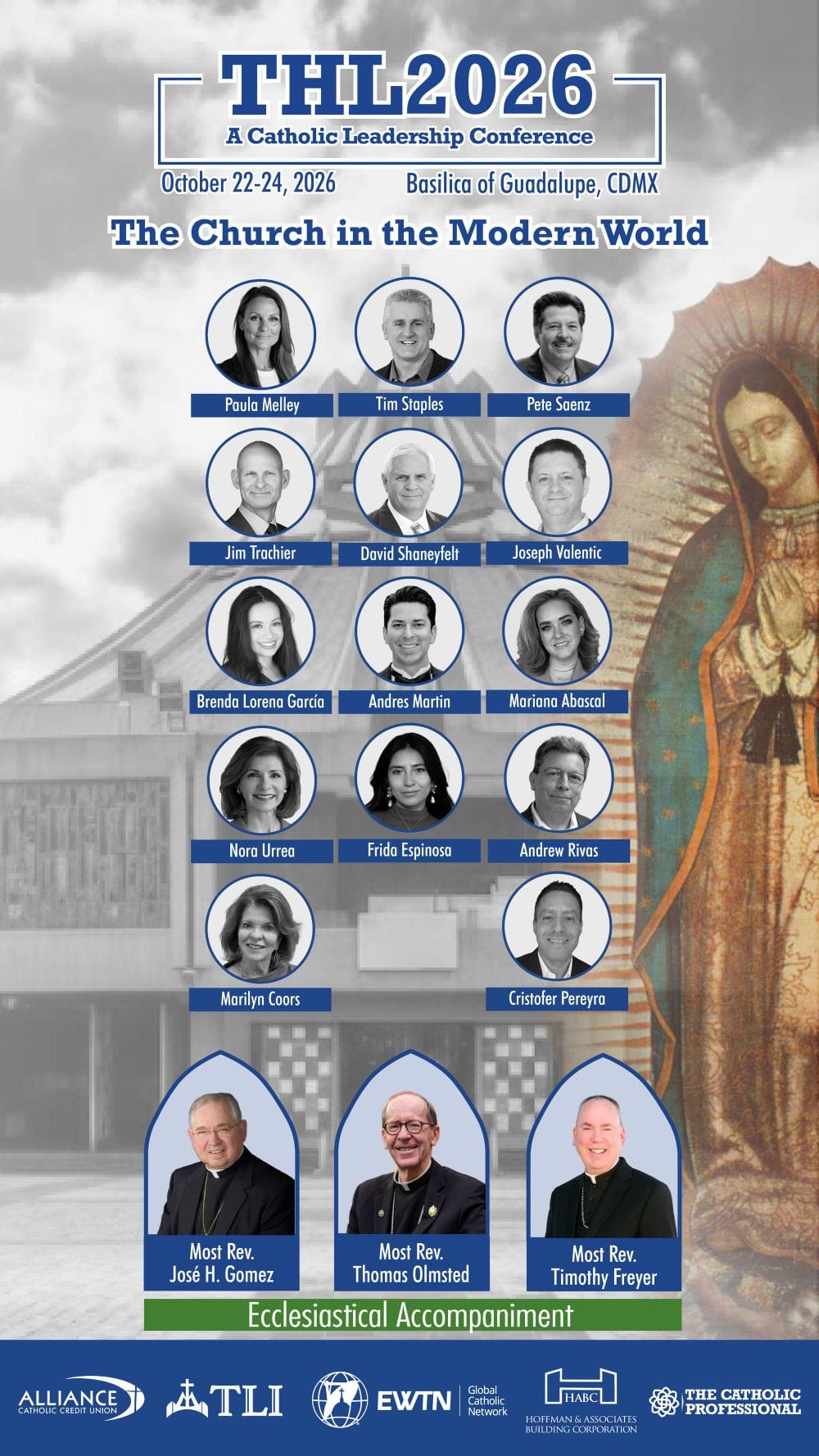
Ad: Discover the place where Our Lady of Guadalupe appeared to St. Juan Diego. See her image. And join Archbishop José Gómez, Bishop Thomas Olmsted and Bishop Timothy Freyer for The Hour of the Laity 2026 in Mexico City.
Moving Beyond the "Corporate Silence"
In corporate environments, conflict is rarely resolved, because it is managed. Managers learn to navigate around difficult personalities or isolate dissenting voices to maintain project velocity. But Catholic professional integrity requires something vastly different. It requires the courage of teshuvah, a deliberate turning back toward the person we have harmed, marginalized, or dismissed.
Practicing this kind of workplace restitution does not require corporate weakness, but rather demands profound moral courage.
It looks like owning narrative mishaps by directly stepping into a colleague's office to clear the air after a public disagreement or after undermining their contribution in a meeting.
It involves restoring professional dignity by making proactive amends when office gossip or an unfair evaluation has unfairly damaged a peer's reputation within the team.
It also means fostering a culture of true accountability by cultivating an environment where mistakes are admitted freely, apologies are offered sincerely, and forgiveness is extended readily.
Rebuilding the Ledger
As Catholic professionals, our ultimate model of reconciliation is Christ, who bridged the infinite chasm between Creator and creation through radical self-giving love. Yet, He anchors that divine reality in our horizontal duties to one another.
When we look at our teams, our partnerships, and our daily interactions, we are invited to audit our relational balance sheets. True leadership is measured not merely by the bottom line we produce, but by the healing we foster. By refusing to let workplace friction linger in silent resentment, and instead choosing the path of humble, direct restitution, we bring the healing truth of the Gospel out of the pew and straight into the marketplace.