A Defining Moment for Women’s Sports
Without meaningful distinctions, the concept of competition itself begins to lose coherence. In this sense, the policy is not merely restrictive. It is protective of the integrity of women’s athletics.
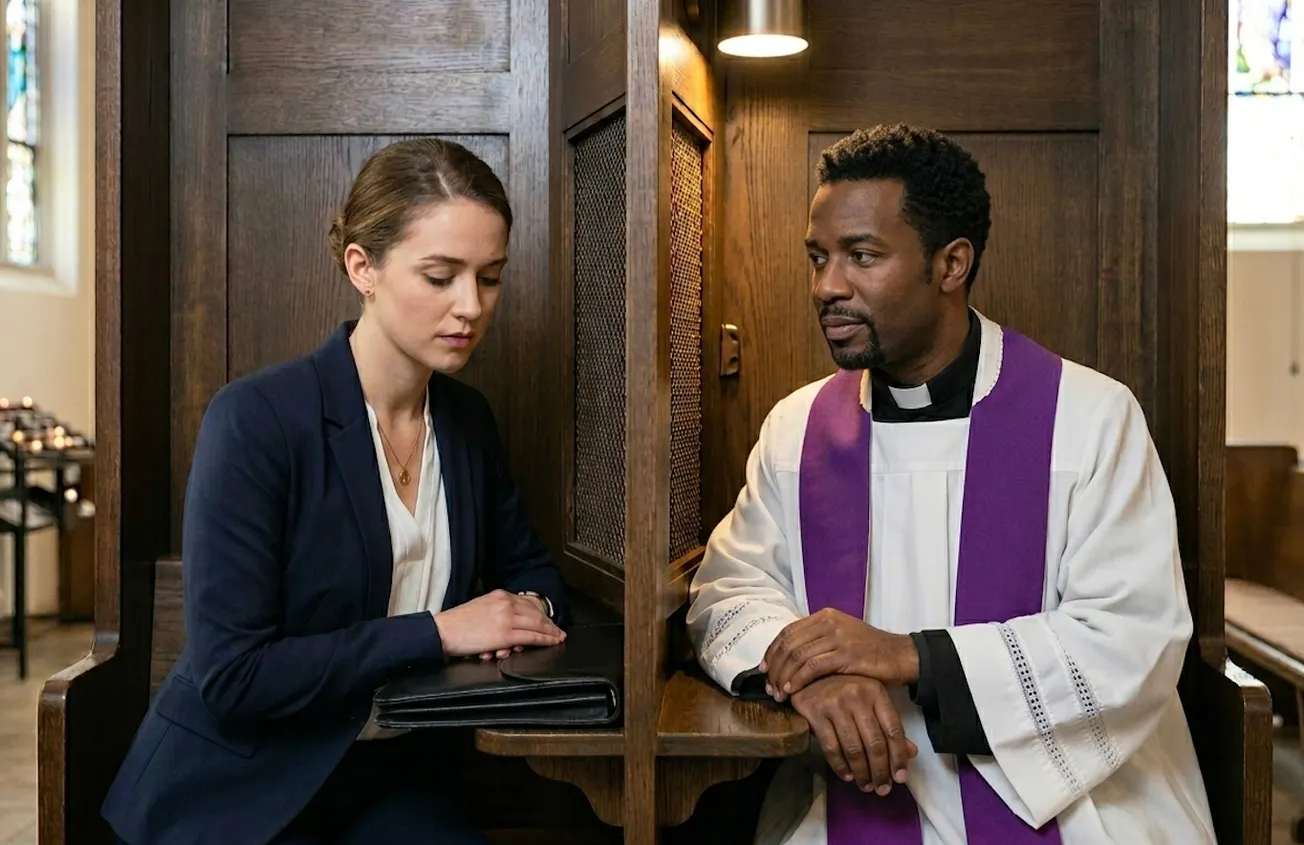
For Catholic professionals, this is also a leadership moment. Renewal in the Church will not come only from structures or strategies, but from personal conversion. And personal conversion begins, very often, in the confessional.
The Annunciation reminds lay leaders that they, like Mary, are called to bear God’s presence into the world. Lay leaders, in their workplaces, communities, and families, have opportunities to bring light, hope, and moral clarity into the spheres they inhabit.
Many are discovering that the Catholic faith offers precisely what modern culture cannot, a coherent vision of the human person, a moral framework, and a living encounter with Christ.
Catholic professionals engaged in diplomacy, international business, or public service have the opportunity to integrate these principles into their work. By doing so, they can model a form of leadership that elevates global affairs from the pursuit of advantage to the stewardship of peace.
Neuroscience may one day allow us to manipulate brain states or predict behavior patterns, but Catholic anthropology insists that humans are not merely biological machines. Each person possesses inherent dignity, rooted in being created in the image and likeness of God.
Leaders in every field encounter challenges that demand courage. Like Patrick, they must respond to opportunities for service, even when the path is difficult or unfamiliar.
Catholic professionals cannot see their faith as something separate from their economic responsibilities. Instead, they are called to witness to a vision of economic life rooted in responsibility, service, and human dignity.
Laws and regulations may help curb harmful practices by technology companies, but they cannot by themselves form the character and habits of the next generation.
The events in Brazil are not just about one commission chair. They are a call to action for all who believe that truth matters and that the human person is made by God and for God.
In a world rapidly reshaped by digital forces, the Church’s voice, guided by love for the poor, brings clarity and moral depth. As Dilexi Te teaches, charity must inform every conversation about progress, ensuring that innovation always serves humanity, especially those on the margins.
By responding consistently, communicating clearly, and honoring commitments, we cultivate a reputation that precedes us, a reputation that makes others confident in seeking our guidance, entrusting us with responsibilities, and collaborating with us toward shared goals.
For lay Catholic leaders, the document offers a clear vision. The future of humanity will not be determined by technology alone. It will depend on the moral and spiritual leadership guiding those who design, regulate, and implement new technologies.
Strategic networking online is a marathon, not a sprint. Building meaningful connections takes time, patience, and genuine interest. By focusing on relationships rather than transactions, Catholic professionals cultivate a network that supports both career aspirations and moral integrity.
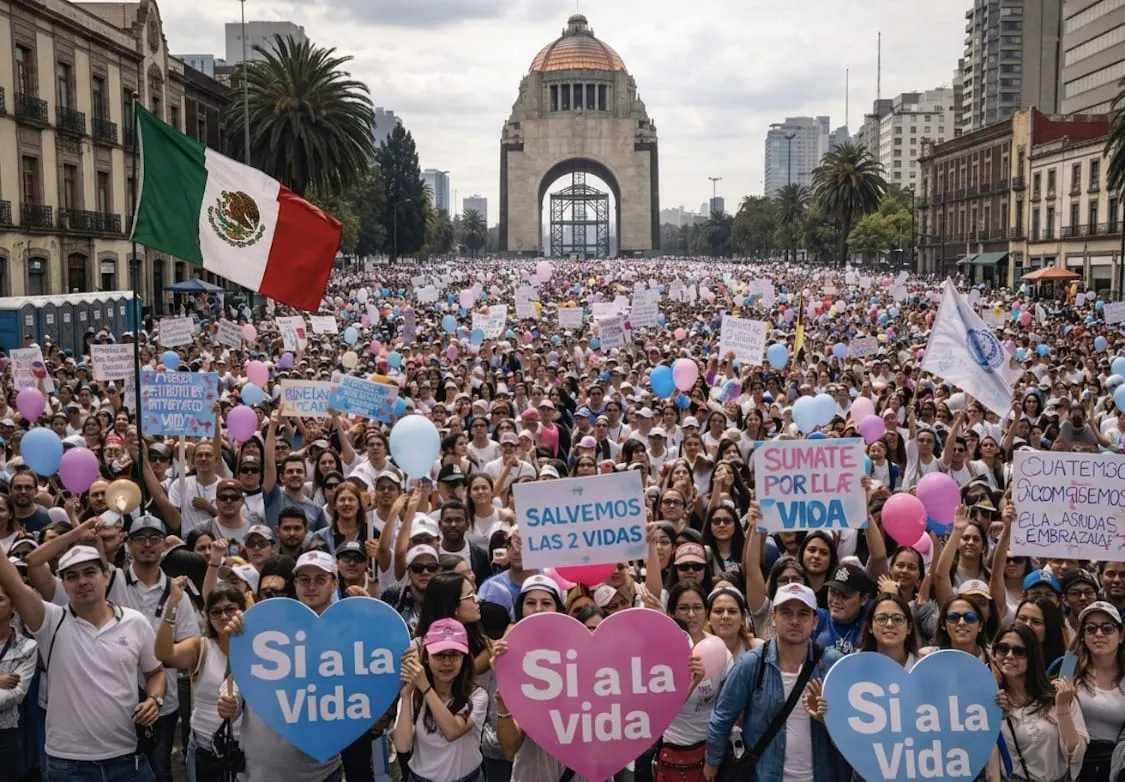
Uno de los ejemplos que recoge el libro y que ilustra algunas de esas claves, está relacionado con un médico ginecólogo, que era también directivo de un hospital. Esta persona logró, con paciencia, caridad y determinación, que en su institución se dejaran de practicar abortos.
A workplace aligned with sound values will never be flawless. Markets fluctuate. Leaders make mistakes. Personalities clash. Yet when an organization sincerely seeks the good of its people and the communities it serves, it creates space for professionals to integrate faith and work with integrity.