Table of Contents
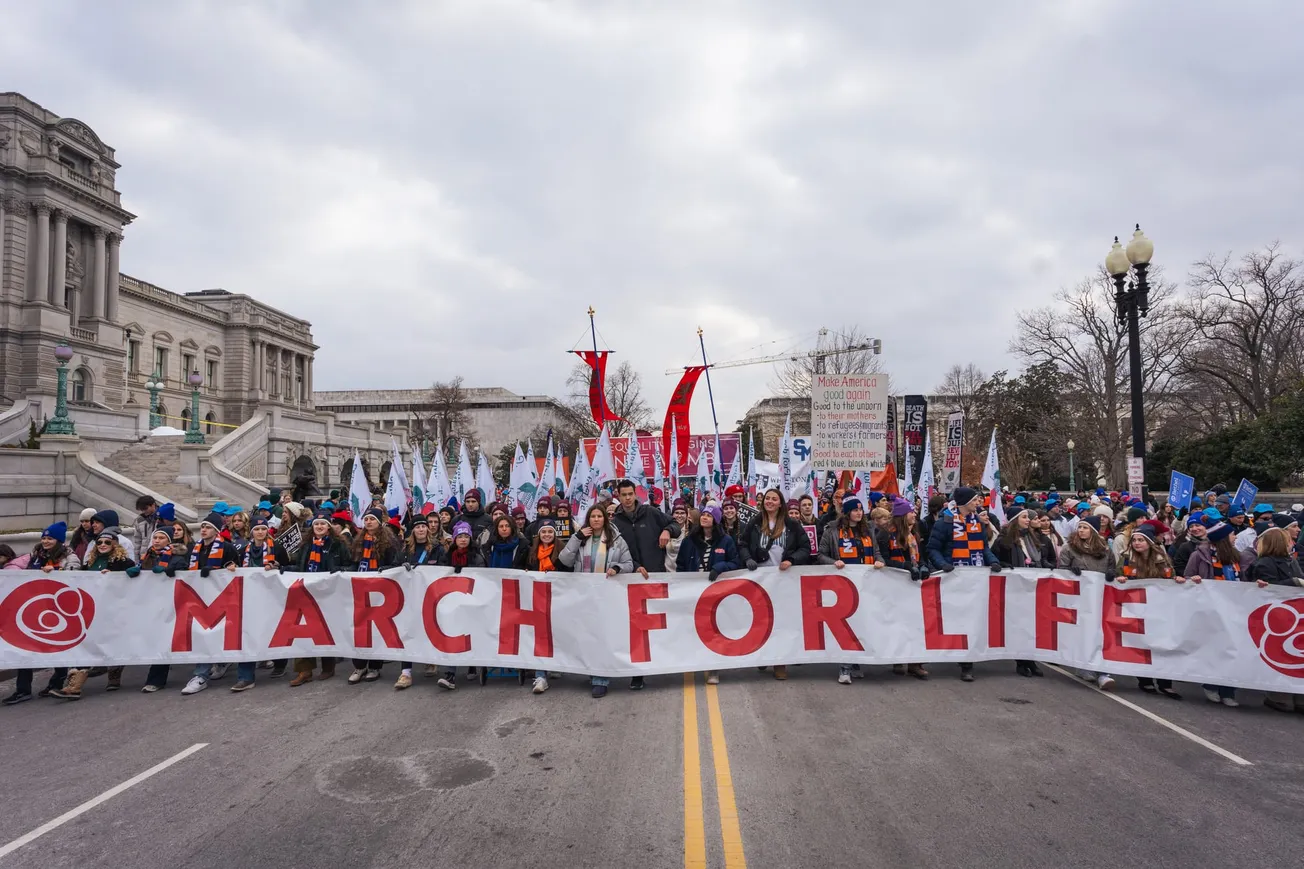
On January 23, 2026, tens of thousands of faithful Catholics and pro life advocates from across the United States gathered in Washington, DC for the 53rd annual March for Life. As the largest annual public witness for the unborn in the world, the March for Life remains a powerful testament to the Church’s unwavering conviction that every human life, from conception to natural death, bears the sacred imprint of God and must be protected and cherished.
A Public Witness of Faith
This year’s march was held under the theme “Life Is a Gift,” a message that resonated deeply throughout the rally and procession from the National Mall to the Supreme Court. The theme served as a clear reminder that life is not a commodity to be measured by utility or convenience, but a gift entrusted to us by God. The march blended prayer, testimony, and public witness, reflecting the deeply Catholic understanding that faith must be lived both interiorly and outwardly.
Human Dignity at the Heart of CST
Rooted firmly in Catholic social teaching, the March for Life draws its strength from the truth that human dignity is inherent and inviolable. Saint John Paul II taught in Evangelium Vitae that the right to life is the foundation of every other human right. This conviction animated the thousands who marched peacefully and prayerfully, not in anger or hostility, but with charity and hope. Their presence proclaimed a vision of society that embraces mothers, welcomes children, and accompanies families with compassion.
A Generational Witness of Hope
One of the most striking aspects of the 2026 March for Life was the strong presence of young people. Catholic high schools, universities, and parish youth groups filled the streets with energy, prayer, and joyful resolve. Their participation offered a powerful sign of continuity in the pro life movement and a hopeful witness that the next generation understands the call to defend life as an essential expression of Christian discipleship.
Concrete Love in Action
Speakers at the rally emphasized that defending life must extend beyond public demonstrations. Authentic pro life witness requires concrete action. Catholics were encouraged to support pregnancy resource centers, accompany women facing unexpected pregnancies, advocate for policies that protect both mother and child, and foster a culture that truly supports family life. The message was clear: proclaiming the dignity of life must be matched by practical love and sustained commitment.
Building a Culture of Life
The March for Life also took place within the continuing realities of the post Roe era. While the overturning of Roe v. Wade marked a historic shift in the legal landscape, the work of building a culture of life is far from complete. New challenges such as the widespread availability of chemical abortion and the cultural normalization of abortion demand renewed vigilance, creativity, and courage from Catholics in every walk of life.
A Pilgrimage of Prayer and Mission
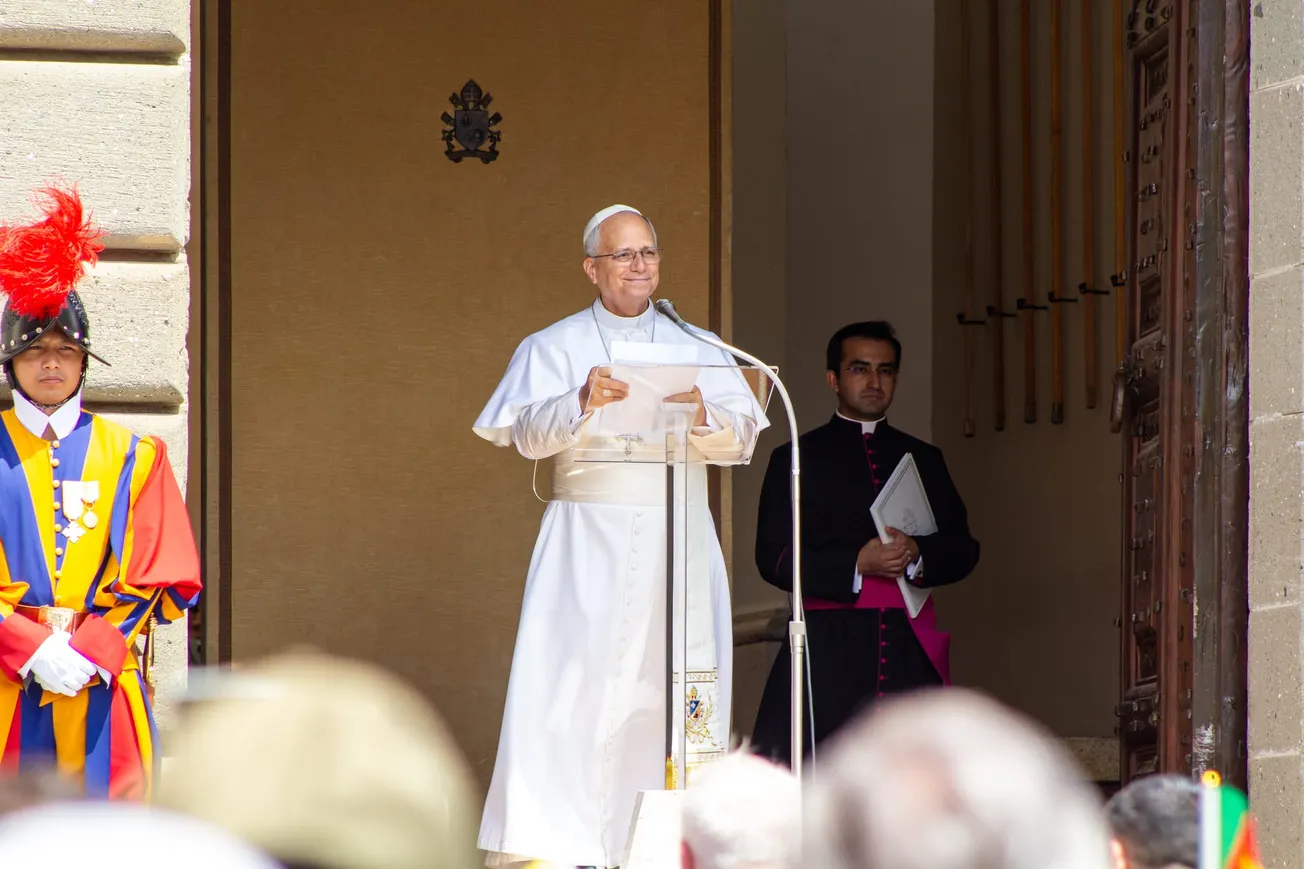
Church leaders present at the march reminded participants that this annual gathering is not merely a political event, but a pilgrimage of faith. It unites prayer and public witness, personal conversion and social responsibility. The call was extended to every marcher to become an apostle of life in daily circumstances, transforming homes, workplaces, and communities into places where life is respected and loved.
A Call to All Catholics
For Catholic professionals, the significance of the March for Life is profound. It challenges men and women in business, education, healthcare, law, and public service to integrate their faith into their professional responsibilities. Defending life is not limited to one march or one day each year. It is a daily vocation that calls Catholics to shape structures, policies, and cultures that uphold human dignity.
In a world that often overlooks the most vulnerable, the March for Life stands as a luminous sign of hope. It proclaims that life is sacred, life is good, and life is always worth defending. Through prayer, solidarity, and faithful action, Catholics continue to walk forward with confidence, trusting that where truth and love prevail, life will flourish.
P.S. The countdown is on for the 2nd Tepeyac Leadership Gala, secure your tickets today by clicking below!