Table of Contents
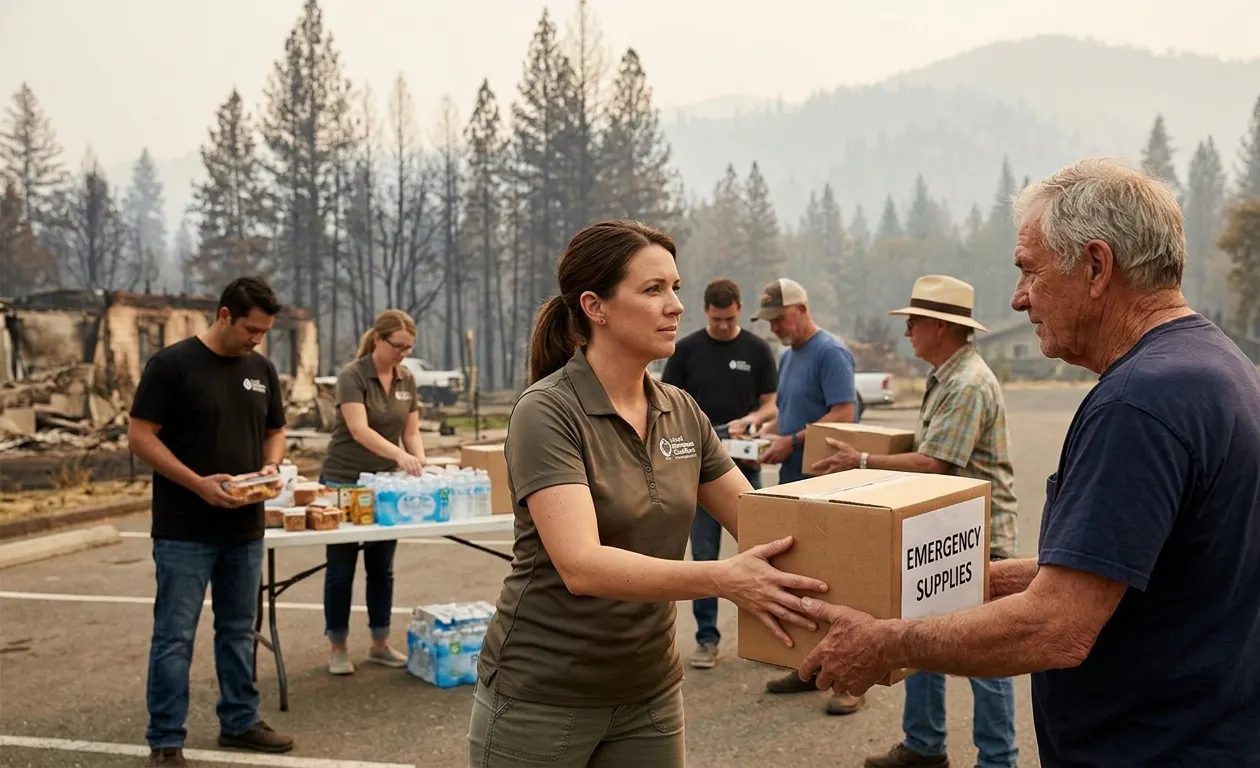
When fast-moving wildfires sweep through regions like Eastern Washington, the impact is swift and unforgiving. Neighborhoods vanish in hours, supply lines sever, and vital infrastructure collapses. Yet, whether the crisis is a forest fire in the American West, a typhoon in the Philippines, a flash flood in Western Europe, or an earthquake in South America, the immediate aftermath presents executives with a universal truth: in times of acute disaster, central authorities are often overwhelmed, leaving local action as the primary engine of recovery.
For executive leaders grounding their practice in Catholic Social Teaching, disaster management is not merely a logistical challenge, it is a profound test of corporate citizenship. Central to this responsibility are two complementary pillars of Catholic social doctrine: subsidiarity and solidarity.
Subsidiarity: Empowering Immediate, Local Action
The principle of subsidiarity dictates that matters ought to be handled by the smallest, lowest, or least centralized competent authority. Higher institutions should afford assistance (subsidium) to local bodies, but never absorb their function or stifle their initiative.
When catastrophe hits, waiting for centralized corporate commands or national emergency responses often delays critical relief. Effective leaders empower local branch managers, site directors, and regional teams to act swiftly. Local leaders know the immediate terrain, including which employees are displaced, which local suppliers possess crucial equipment, and which community centers require urgent support. Corporate headquarters must grant frontline leaders the budget authority and operational autonomy to deploy resources instantly, whether that means turning a company facility into a temporary shelter, purchasing emergency supplies locally, or offering immediate paid administrative leave for affected staff.
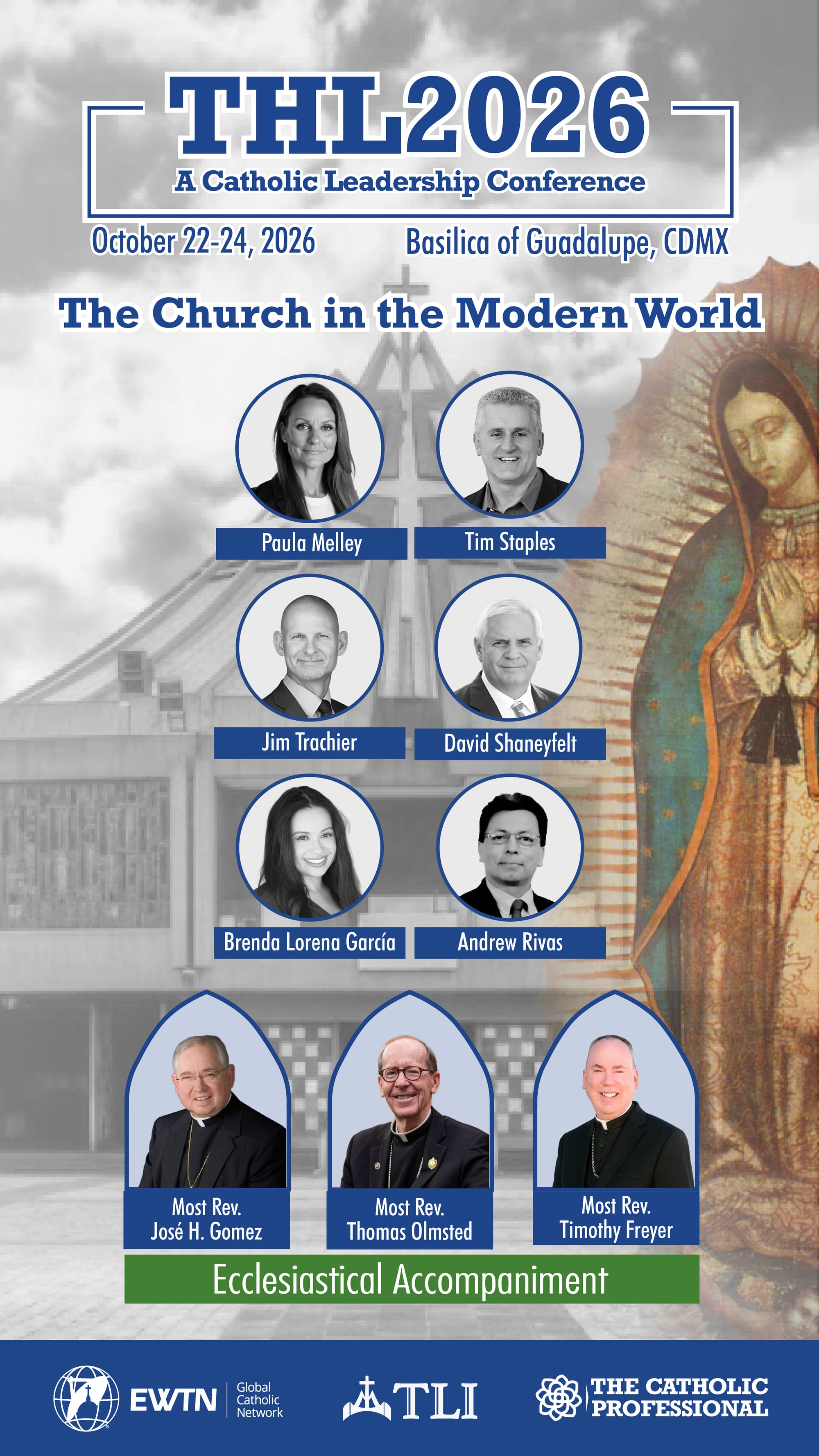
Ad: Discover the place where Our Lady of Guadalupe appeared to St. Juan Diego. See her image. And join Archbishop José Gómez, Bishop Thomas Olmsted and Bishop Timothy Freyer for The Hour of the Laity 2026 in Mexico City.
Solidarity: Human Dignity Beyond the Bottom Line
If subsidiarity provides the operational framework, solidarity provides the moral imperative. Solidarity reminds us that we are not isolated economic actors, but members of one human family. As Pope St. John Paul II wrote in Sollicitudo Rei Socialis, solidarity is not a feeling of vague compassion or shallow distress at the misfortunes of so many people, but a firm and persevering determination to commit oneself to the common good. When disaster strikes a community where an enterprise operates, a company’s responsibility extends far beyond safeguarding its physical assets or securing its balance sheet.
Authentic corporate citizenship rejects performative public relations. Instead of seeking publicity opportunities amid crisis, business leaders must commit to long-term community presence. This means prioritizing local vendors during reconstruction, preserving employment even when operations stall, and partnering with local parishes, civic groups, and grassroots organizations already executing relief work on the ground.
A Practical Framework for Disaster Response
To embody these principles when global or local disasters occur, Catholic executives should embed three practices into their crisis contingency strategy:
- Decentralize Emergency Spending: Establish pre-approved disaster response protocols that grant local leaders immediate, discretionary funds to assist employees and local communities without multi-tiered headquarters approval.
- Honor Local Expertise: Collaborate with established community networks, such as local charities, parish relief funds, and municipal groups, who possess granular knowledge of the area’s most vulnerable populations.
- Commit to Economic Continuity: Disaster recovery takes years. Executives must ensure their post-crisis strategy focuses on long-term economic restoration, reinvesting in local supply chains to help shattered economies regain independence.
Whether facing flames, floods, or economic shocks, true leadership shines not from remote boardrooms, but through humble, decisive action on the ground. By anchoring crisis response in subsidiarity and solidarity, Catholic professionals transform corporate resources into instruments of genuine restoration and hope.
P.S. Join Archbishop José Gómez, Bishop Thomas Olmsted and Bishop Timothy Freyer for The Hour of the Laity 2026 in Mexico City. In the videos bellow you will see what they have to say about THL2026.
Ad: Tepeyac Leadership’s Leadership for the World is a $2 million, three year mission to form lay Catholic leaders for the public square. Without formation, others fill the void. Will you step in or step aside now, when it matters most?