Table of Contents
Employee engagement has reached record lows in many organizations. Behind the statistics are real human struggles that Catholic professionals recognize not merely as management challenges but as moral and spiritual concerns. Two forces are especially corrosive today. Technostress, the anxiety caused by constant digital change and overload. And Fear Of Better Options (FOBO), the fear of becoming obsolete in a world driven by rapid automation and artificial intelligence. Addressing these realities is essential not only for productivity but for honoring the dignity of work and the human person.
Work as Participation in God’s Creative Plan
From a Catholic perspective, work is not simply a means of survival or advancement. It is a participation in God’s creative action. When employees feel exhausted, disposable, or perpetually behind, something deeper than morale is broken. Technostress fragments attention, erodes rest, and fosters a sense that one must always be available. FOBO strikes at identity, whispering that one’s experience, wisdom, or vocation can be replaced by a system or a younger model. Both undermine engagement because they undermine meaning.
Human Limits in a Digital World
Technostress thrives in environments where speed is confused with excellence. Endless notifications, shifting platforms, and unclear digital expectations leave workers feeling reactive rather than purposeful. Catholic professionals can respond by advocating for a more humane use of technology. Clear norms around availability, reasonable communication rhythms, and respect for boundaries are not luxuries. They reflect the truth that human beings are not machines. The biblical commandment of rest reminds us that limits are part of God’s design. Organizations that honor those limits often find that focus and commitment increase rather than decline.
Restoring a True Measure of Human Value
FOBO feeds on a narrow view of human worth. When value is measured only by technical skills or immediate output, anxiety becomes inevitable. The Catholic tradition offers a corrective. A person’s dignity does not diminish with age, changing tools, or shifting markets. Experience, judgment, and moral clarity are irreplaceable forms of capital. Leaders who communicate this truth help employees see development not as a desperate race to keep up, but as a lifelong unfolding of gifts entrusted by God.
Formation Over Fear Based Development
Practical responses flow from this vision. Continuous learning should be framed as formation rather than survival. Training programs that integrate technical growth with mentorship and reflection communicate that people are being invested in, not tested for replacement. Intergenerational collaboration is especially powerful. When younger employees share new tools and seasoned professionals share wisdom, FOBO loses its grip and engagement grows through mutual respect.
Leadership Rooted in Hope and Purpose
Catholic professionals are also called to model hope. Fear of obsolescence often reflects a deeper fear of being unnecessary. The Gospel counters this with a radical affirmation. Each person has a unique mission that no one else can fulfill. Leaders who speak openly about purpose, service, and the common good help reorient workplaces away from fear and toward contribution. Engagement rises when employees believe their work matters beyond quarterly results.
Addressing technostress and FOBO ultimately requires courage at the leadership level. It means resisting trends that treat burnout as normal and insecurity as motivation. It means designing roles that allow for mastery, stability, and growth rather than constant disruption. In a time of record low engagement, the answer is not more pressure or novelty. It is a renewed commitment to the human person. When work respects human dignity, both souls and organizations flourish.
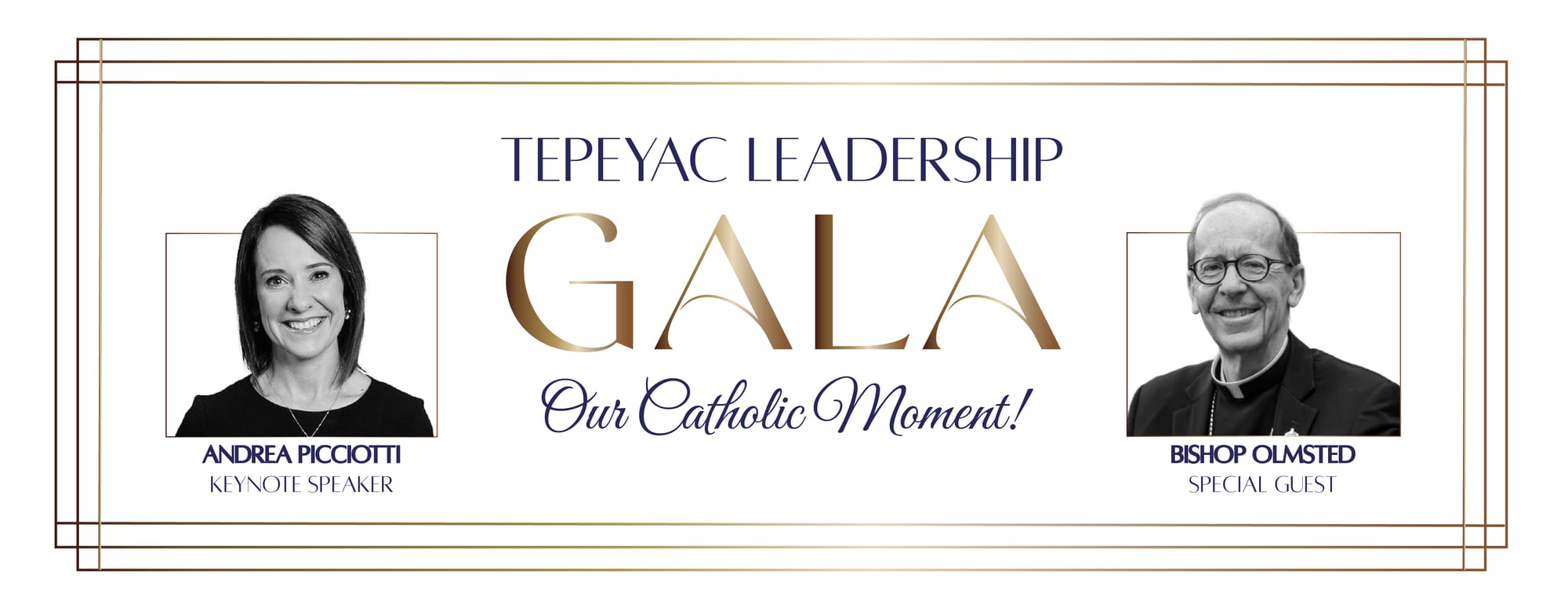
P.S. The countdown is on for the 2nd Tepeyac Leadership Gala, secure your tickets today by clicking below!
A special invitation from Andrea Picciotti.