Every young professional eventually feels the tension between ambition and experience. We want to move fast, make an impact, and avoid the mistakes that slow others down. Yet wisdom, unlike information or technical skill, seems stubbornly tied to time. The question arises. Can wisdom be accelerated?
From a Catholic perspective, wisdom is not merely accumulated knowledge. Sacred Scripture tells us that wisdom is a gift, something received before it is mastered. It is acquired through attention, humility, and a willingness to be formed. While wisdom cannot be rushed in the same way a certification can be earned, it can be cultivated deliberately. Young professionals can grow wiser faster by learning how to listen, observe, and submit themselves to continuous growth.
Learning from Those Who Have Walked Ahead
One of the most practical ways to grow in wisdom is to seek proximity to experienced colleagues. Senior professionals carry not only success stories but also hard lessons learned through failure. Many mistakes never make it into case studies or training manuals. They live quietly in memory, often unspoken unless someone asks. A senior colleague offers a young professional practical wisdom drawn from experience.
The posture required here is intentional humility. Ask thoughtful questions. What would you do differently if you were starting again. What decision cost you more than you expected. What habits sustained you over decades. These conversations require patience and respect. Wisdom is often shared slowly, in stories rather than sound bites. Much like the Church’s understanding of tradition, we do not begin from scratch in each generation. We receive a living inheritance. In the same way, wisdom is something handed on, not reinvented.
Avoiding the Illusion of Speed
Modern professional culture often equates speed with excellence. Fast promotions, rapid growth, and early visibility are celebrated. Yet speed can disguise fragility. Without the interior maturity to support external success, growth becomes unstable.
Wise senior colleagues often warn against shortcuts, not because they fear innovation, but because they understand formation. Character develops under pressure over time. Integrity is tested in moments that cannot be simulated. Young professionals who listen carefully can avoid painful detours by recognizing patterns before repeating them. Spiritually, the same principle applies. There are no shortcuts to holiness. But there are guideposts. The lives of the saints, the counsel of spiritual directors, and the discipline of prayer help us avoid errors that many have already made.
Cultivating a Listening Life
Wisdom accelerates when listening becomes a habit rather than an event. This means listening even when advice is inconvenient or uncomfortable. It means resisting the urge to defend, explain, or outperform in conversation.
Professionally, listening reveals how decisions affect people beyond spreadsheets. It teaches discernment and restraint. Spiritually, listening opens space for God’s voice, often heard through Scripture, silence, and the counsel of others. The Catholic tradition places great value on this interior posture. Wisdom grows where listening is practiced faithfully.
Integrating Professional and Spiritual Formation
Authentic wisdom comes when professional experience and spiritual growth are not separated. Young professionals who pray regularly, examine their conscience, and seek sacramental grace develop an interior compass. This compass helps interpret advice, evaluate opportunities, and recognize when success is leading away from vocation rather than toward it.
Wisdom cannot be downloaded or rushed. But it can be welcomed. By listening attentively, learning from those who have gone before, and remaining spiritually anchored, young professionals can grow in wisdom faster than they imagine. Not by skipping steps, but by walking them more faithfully.
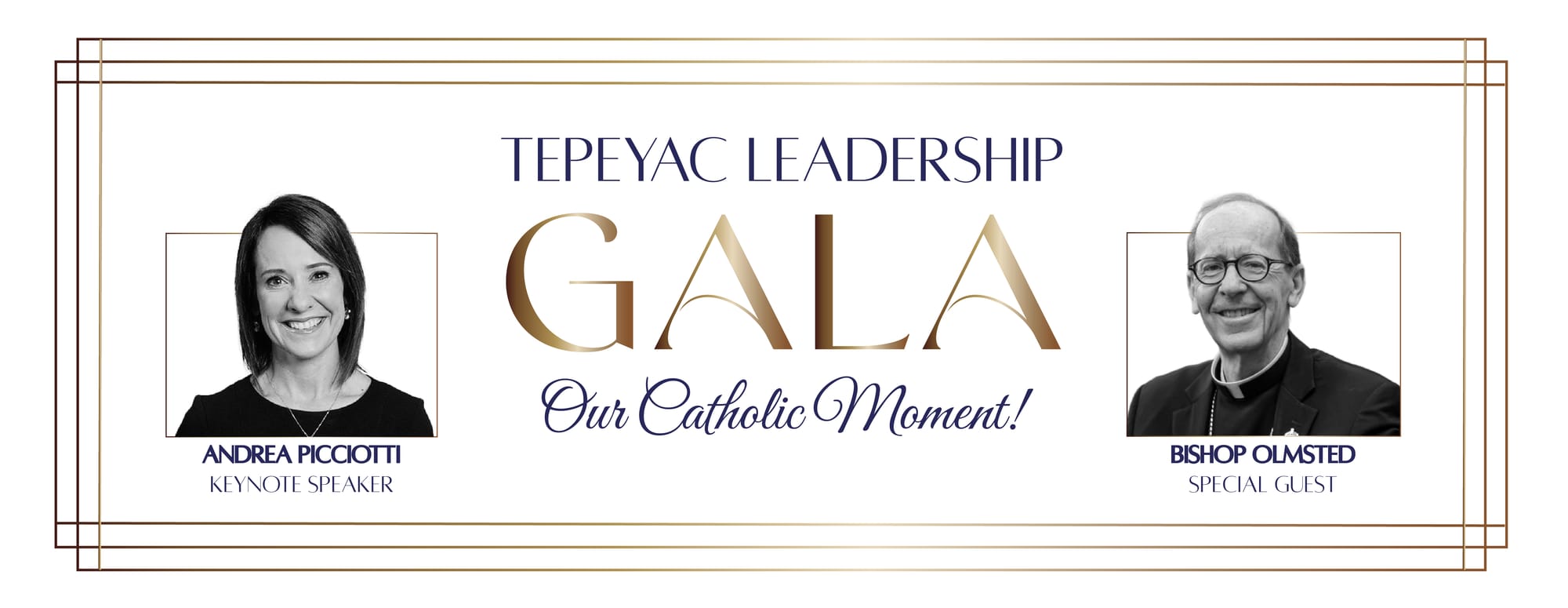
P.S. The countdown is on for the 2nd Tepeyac Leadership Gala, secure your tickets today by clicking below!