Table of Contents
We find ourselves in a moment that invites serious self examination. Most of the institutions shaping society today are not primarily formed by clergy or bishops. They are shaped by legislators, judges, educators, entrepreneurs, technologists, media professionals, parents, and voters. In other words, by the laity.
This is precisely why this moment demands mature lay leadership.
Across society, we see decisions being made that directly affect human dignity, family life, religious freedom, and the formation of children. Debates about parental rights in education, the sacredness of marriage and family, the limits of free speech, the power of technology over attention and truth, and the place of conscience in professional life are not abstract Church issues. They are concrete realities being decided in school boards, corporate offices, courtrooms, and legislatures.
And yet, many faithful lay Catholics still hesitate. We wait for permission. We wait for clarity. We wait for perfect alignment or ideal conditions. In doing so, we sometimes forget that our baptism already commissioned us.
The Second Vatican Council is clear. The lay faithful are not assistants to the clergy in worldly affairs. They are protagonists. The world of politics, culture, business, and civil society is part and parcel of the lay vocation. Bishops teach, sanctify, and govern the Church. Lay men and women are sent to bring truth, charity, and moral clarity into the structures of the world.
This distinction matters, especially today.
When a Catholic business leader resists policies that violate conscience, when a parent speaks at a school board meeting, when a lawyer defends fundamental freedoms, or when a journalist refuses to distort the truth, they are not acting outside the Church’s mission. They are living it.
Mature lay leadership means accepting this responsibility rather than deflecting it.
Many bishops rightly expect lay leaders to take ownership, be well formed, competent, and prudent. They expect us to understand our fields, to speak credibly in the public square, and to avoid reducing complex issues to slogans. They expect us to act without dragging the Church into partisan battles, while still refusing to compromise on moral truth.
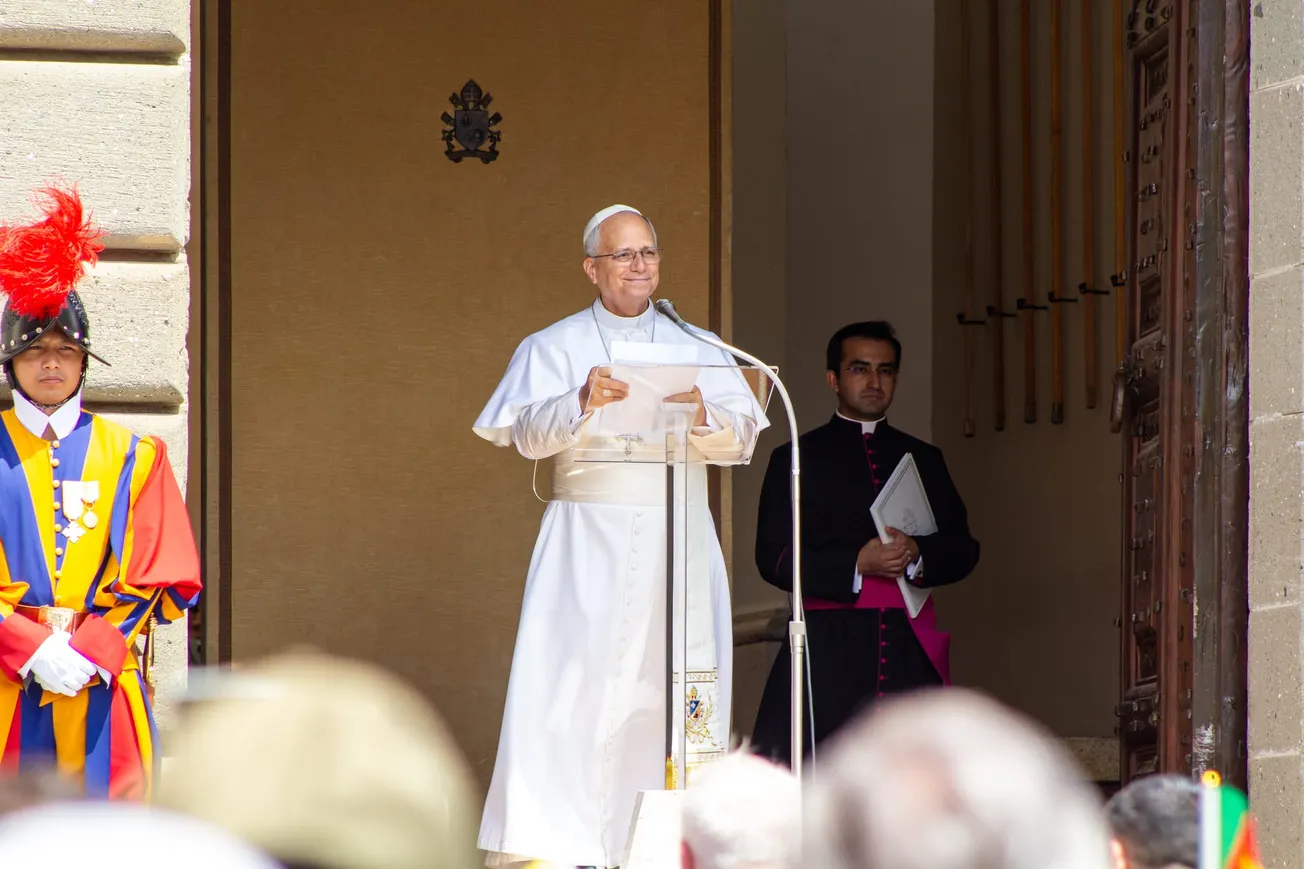
What bishops cannot do, and should not do, is replace lay leadership in areas that belong to the laity. They cannot run civil institutions for us. They cannot vote in our place. They cannot manage our companies, design our technologies, or raise our children.
That responsibility is ours!
We see the consequences when it is neglected. In politics, Catholics often lament outcomes while remaining disengaged locally. In business, many quietly comply with unethical norms to protect careers. In culture, we complain about narratives we refuse to challenge with courage and creativity. Silence is not neutrality. It is abdication.
Mature lay leadership also means understanding authority correctly. Influence does not always come from titles. It often comes from credibility, consistency, and sacrifice. The early Christians did not transform society because they waited for approval. They did so because they lived visibly different lives in ordinary roles.
This is not a call to anger or fear. It is a call to responsibility.
The Church does not need more spectators explaining what bishops should do. She needs lay men and women who take ownership of their mission, take ownership to form their consciences seriously, and act with courage and humility where God has placed them.
This moment in history will not be remembered for what statements were issued. It will be remembered for whether the laity stood up, spoke clearly, acted and led faithfully when it mattered most.
In Christ and Our Lady of Guadalupe,
Cristofer
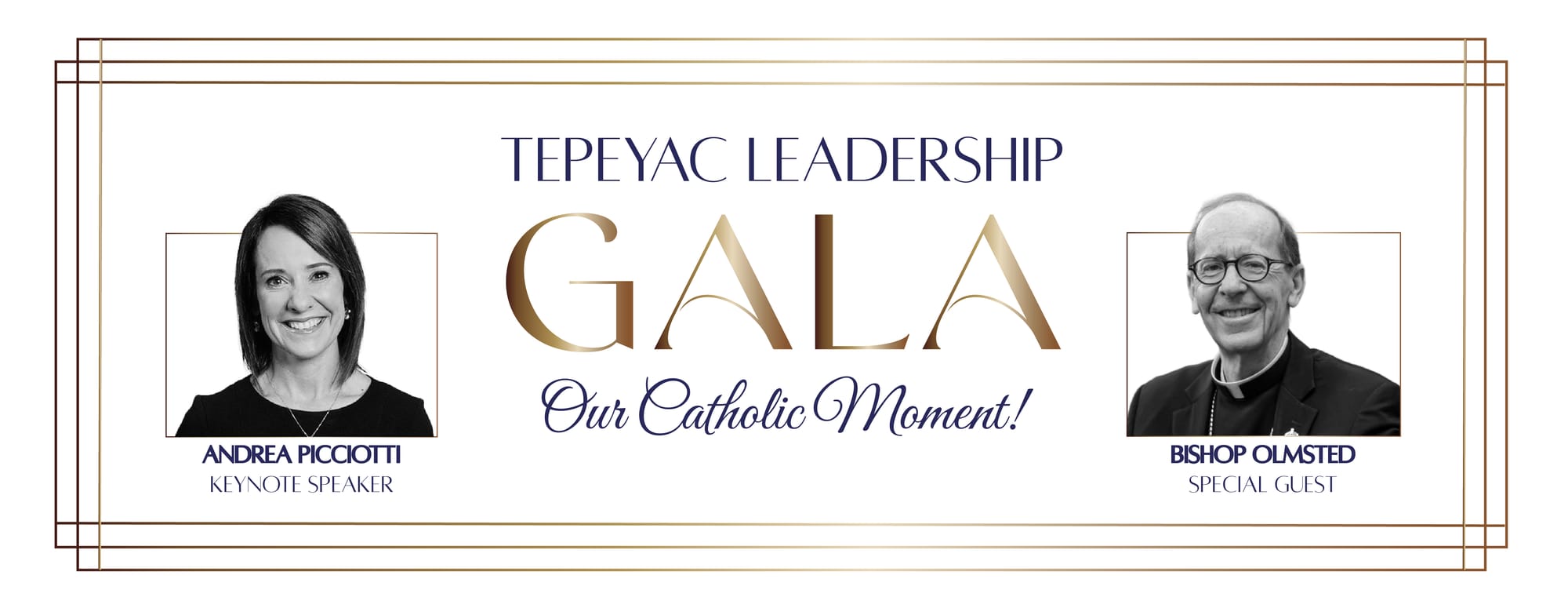
P.S. The countdown is on for the 2nd Tepeyac Leadership Gala, secure your tickets today by clicking below!